Spleen Surgery
When the patients feel a complex spleen issue where their abdomen starts having pain, these may be the signs of spleen cancer. Hence, finding a skilled spleen specialist surgeon in Pakistan becomes crucial. In medical terms, we know spleen surgery as splenectomy. A complex and specialized procedure that requires a trained HPB surgeon for spleen surgery. Dr. Zulqarnain Hyidar offers advanced surgical procedures for patients in Lahore and the whole of Pakistan, with international patients also.
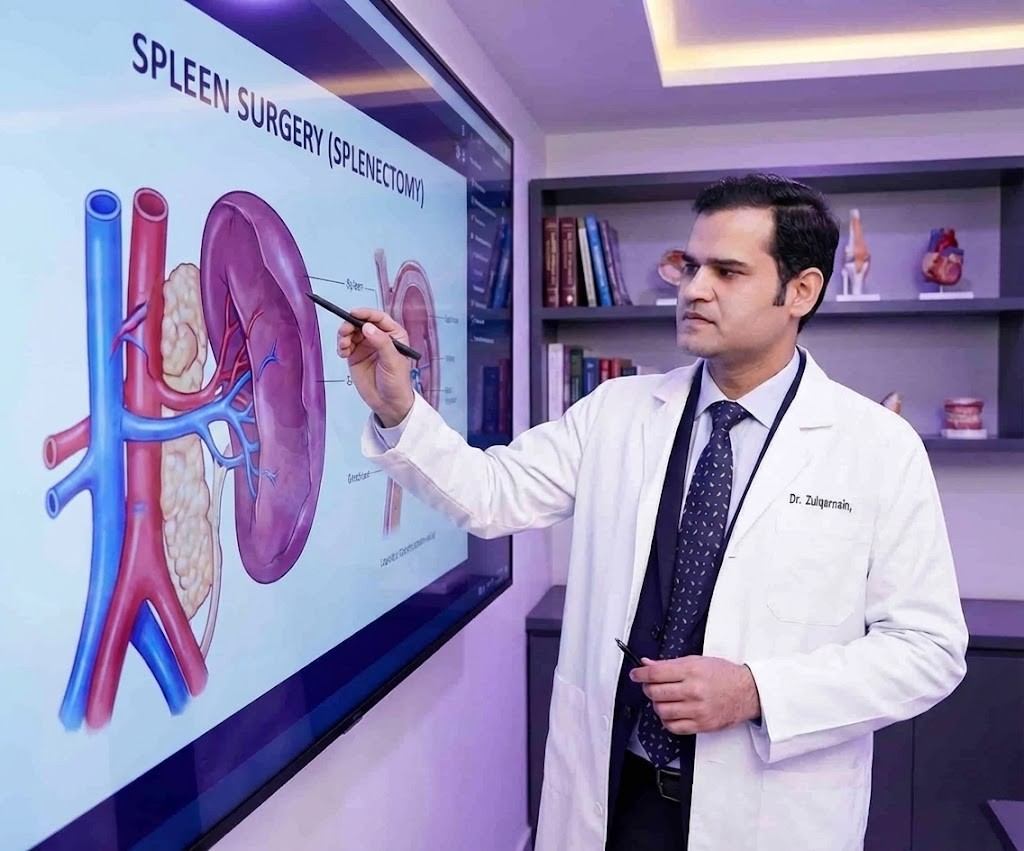
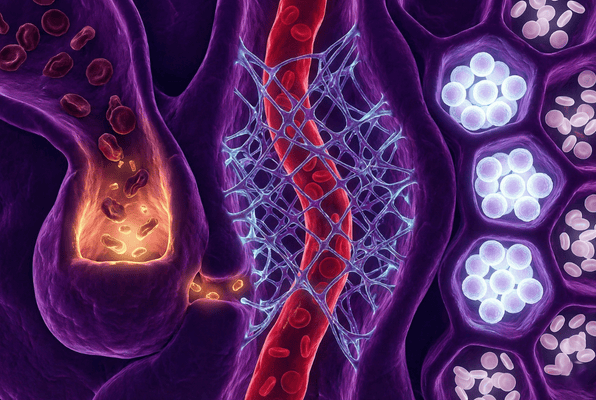
In our body spleen serves as a vital part of the lymphatic system. It plays its role by filtering blood cells, recycling old red blood cells, and storing white blood cells and platelets in fighting infection.
Spleen removal surgery is indicated when the spleen becomes damaged, diseased, or enlarged to the point where it poses a threat to the patient’s overall health.
A splenectomy may be necessary in conditions such as emergency trauma, chronic blood disorders, and cancers.
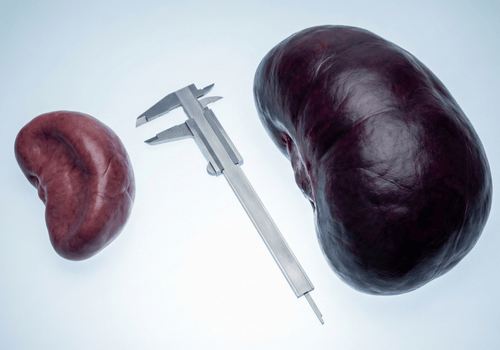
Spleen enlargement is the leading cause of surgery, and understanding the causes of spleen enlargement forms the basis of surgery. Infections, liver diseases, and certain cancers cause the spleen to enlarge and swell. Enlarged spleen treatment often starts with medication, but if the spleen risks rupture or if it causes severe pain, then surgery serves as the last option.
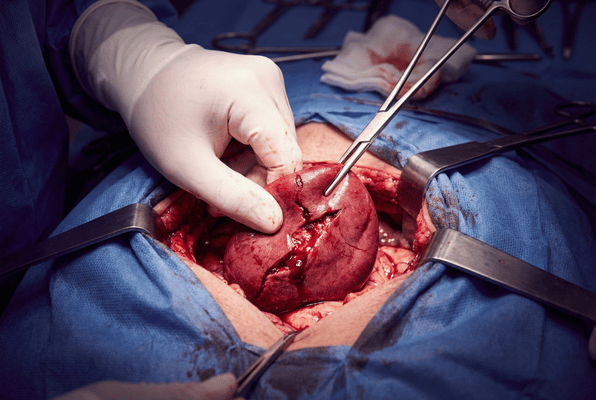
If the spleen gets ruptured because of an emergency, then surgeons perform an emergency procedure, often known as Trauma spleen surgery. A spleen rupture treatment becomes necessary when an injury causes the organ to bleed internally, which can be life-threatening.
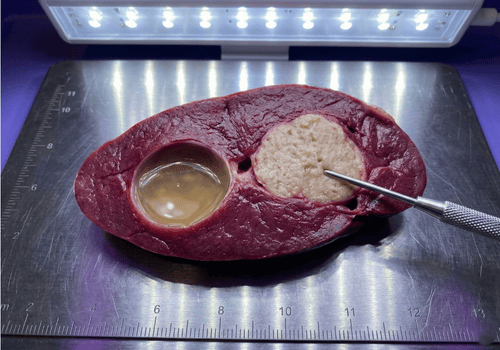
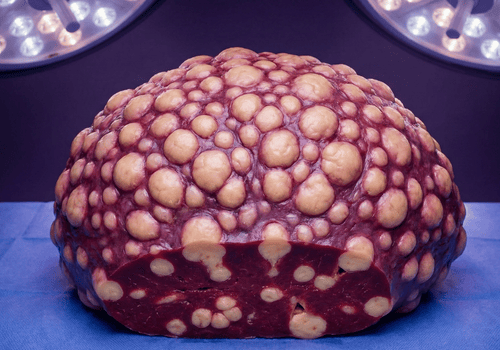
Spleen tumors are often rare. But spleen tumor removal or spleen cyst surgery becomes necessary if the growth of the tumor is large, painful, or potentially cancerous.
Doctors perform the spleen cancer surgery when cancer originates in the spleen or other cancers like lymphoma or leukemia heavily affect the spleen.
Requires the spleenectomy when other treatments fail to manage the blood cell numbers. Splenectomy is required when other treatments fail for conditions such as:
This surgery, Laparoscopic Surgery, comes into action in most elective cases. Dr. Zulqarnain uses small incisions and a camera to remove the spleen.
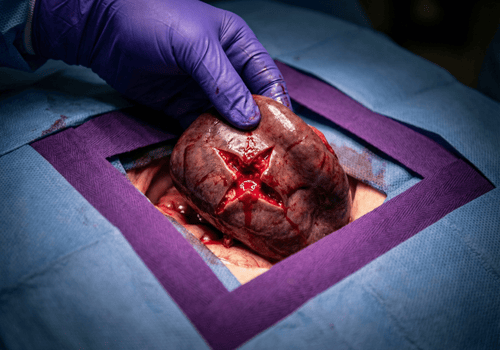
In some conditions of accidents or when the spleen becomes massively enlarged, open splenectomy comes into play. Thus allowing the surgeons to have direct access and manage bleeding while removing the spleen.
In some cases of children or for certain cyst a portion is removed to preserve the spleen's immune function.
Knowing how surgery often begins with diagnosis. Common symptoms of spleen problems consist of pain in the upper left abdomen, feeling no hunger, and infections. Diagnosis tools include
Preparing for spleen surgery includes.
Understanding the surgical process and your path to full recovery.
Spleen surgery duration varies by type. Dr. Zulqarnain Hyidar utilizes advanced precision instruments to effectively seal blood vessels and safely detach the spleen from the stomach and minimizing tissue damage.
Includes prescribed antibiotics and lifelong awareness of infection risks (post-splenectomy).
Most patients return to normal work routines and light daily activities.
Complete physical activity resumed, including sports and heavy lifting.
Yes, you can live without a spleen because other organs then take control of its function, but you will be more susceptible to certain infections.
Yes, it is 100 percent safe, and people consider it to be the gold standard for most non-emergency cases.
Yes, vaccines are mandatory because after removing the spleen, the body should defend itself from bacteria that the spleen would normally filter.