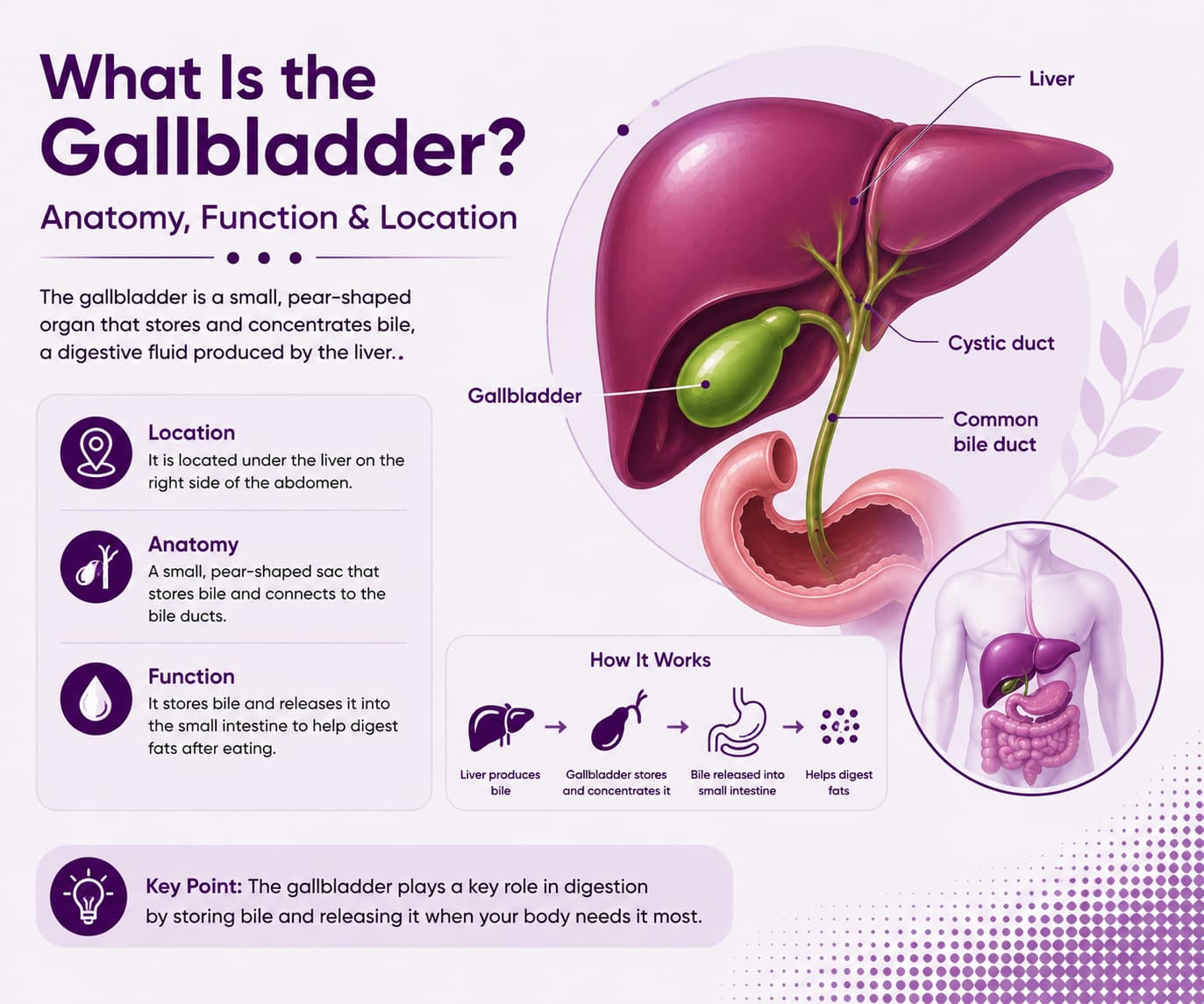
What is the gallbladder? What is its purpose and its anatomy? We will go through all of these
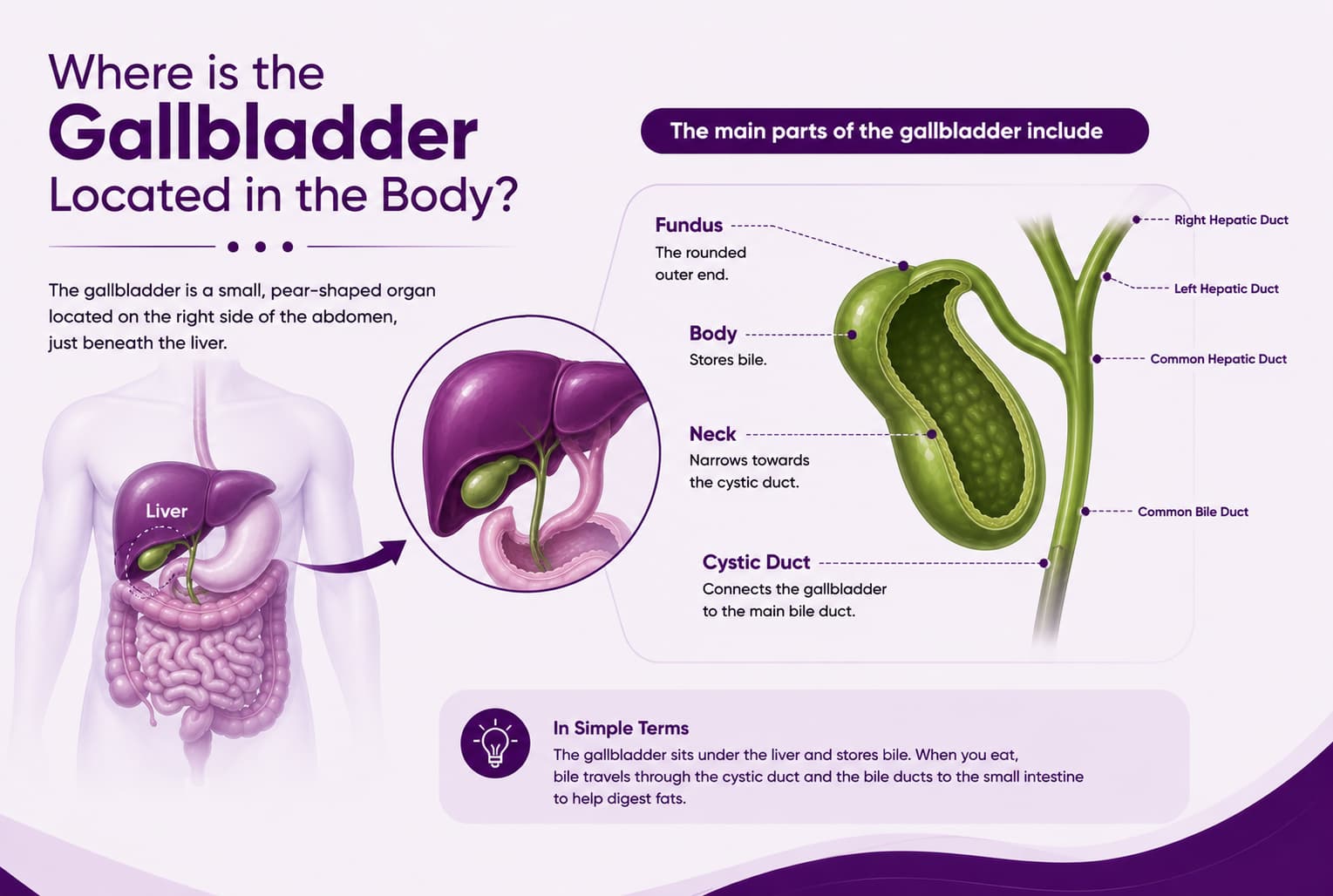
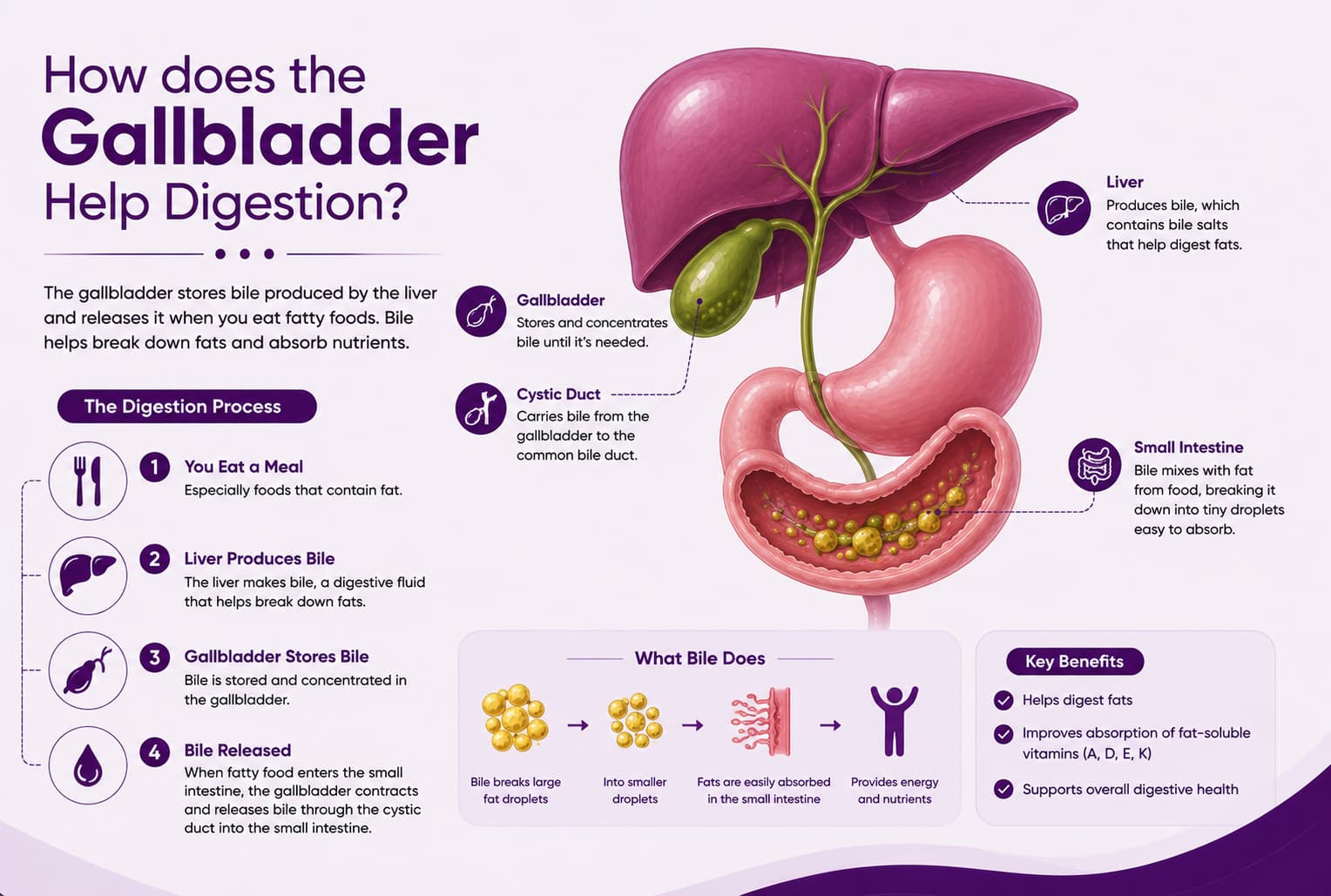
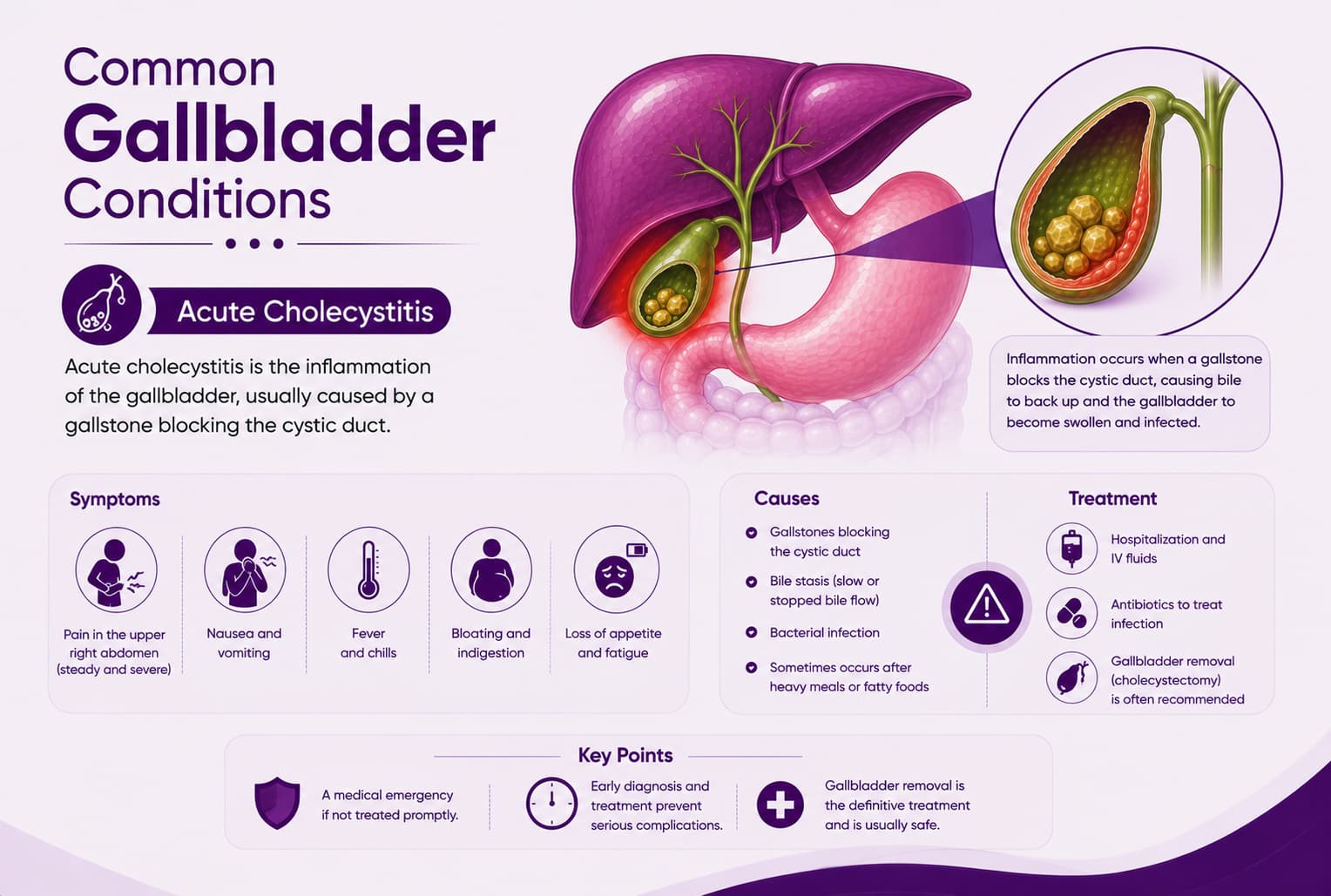
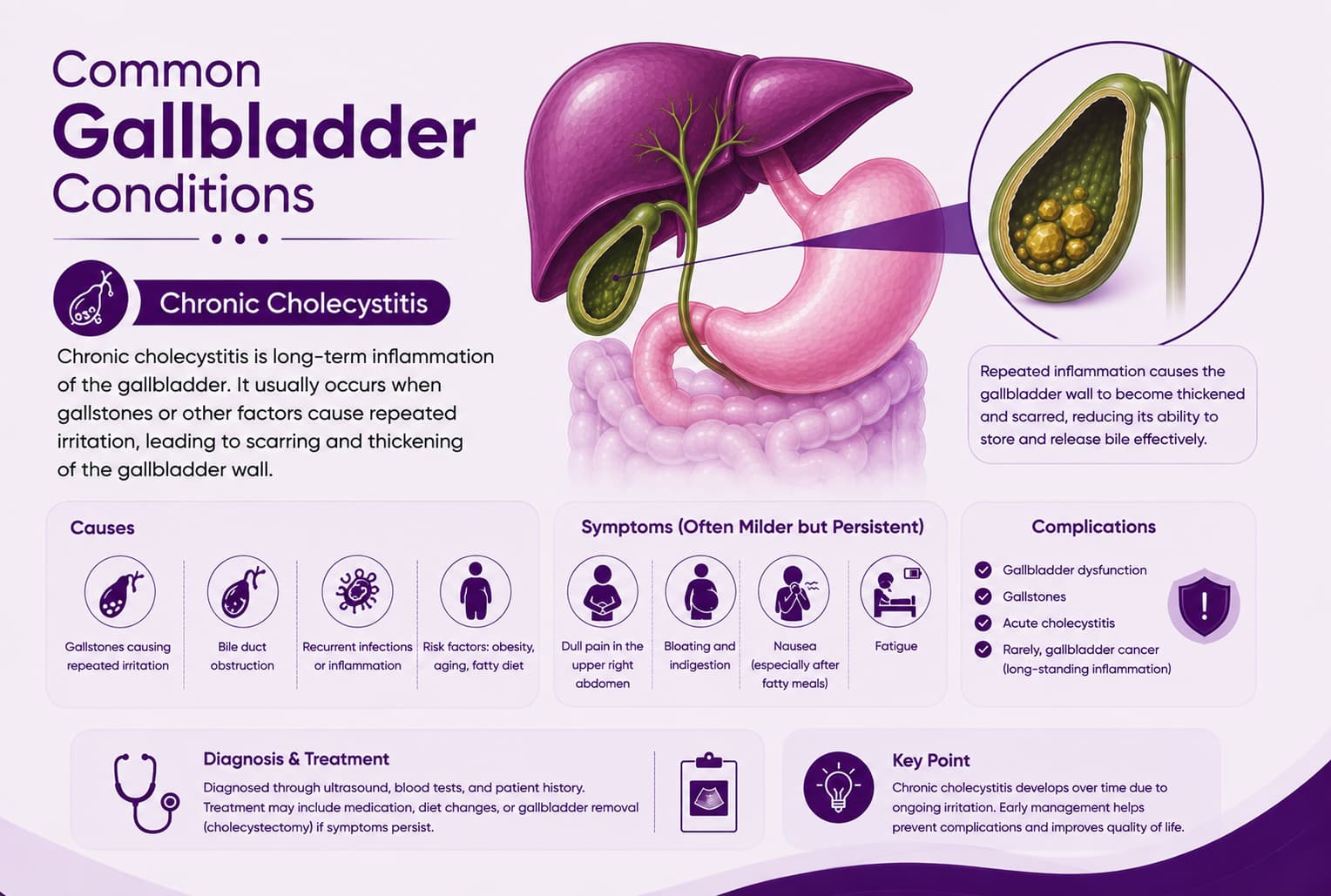
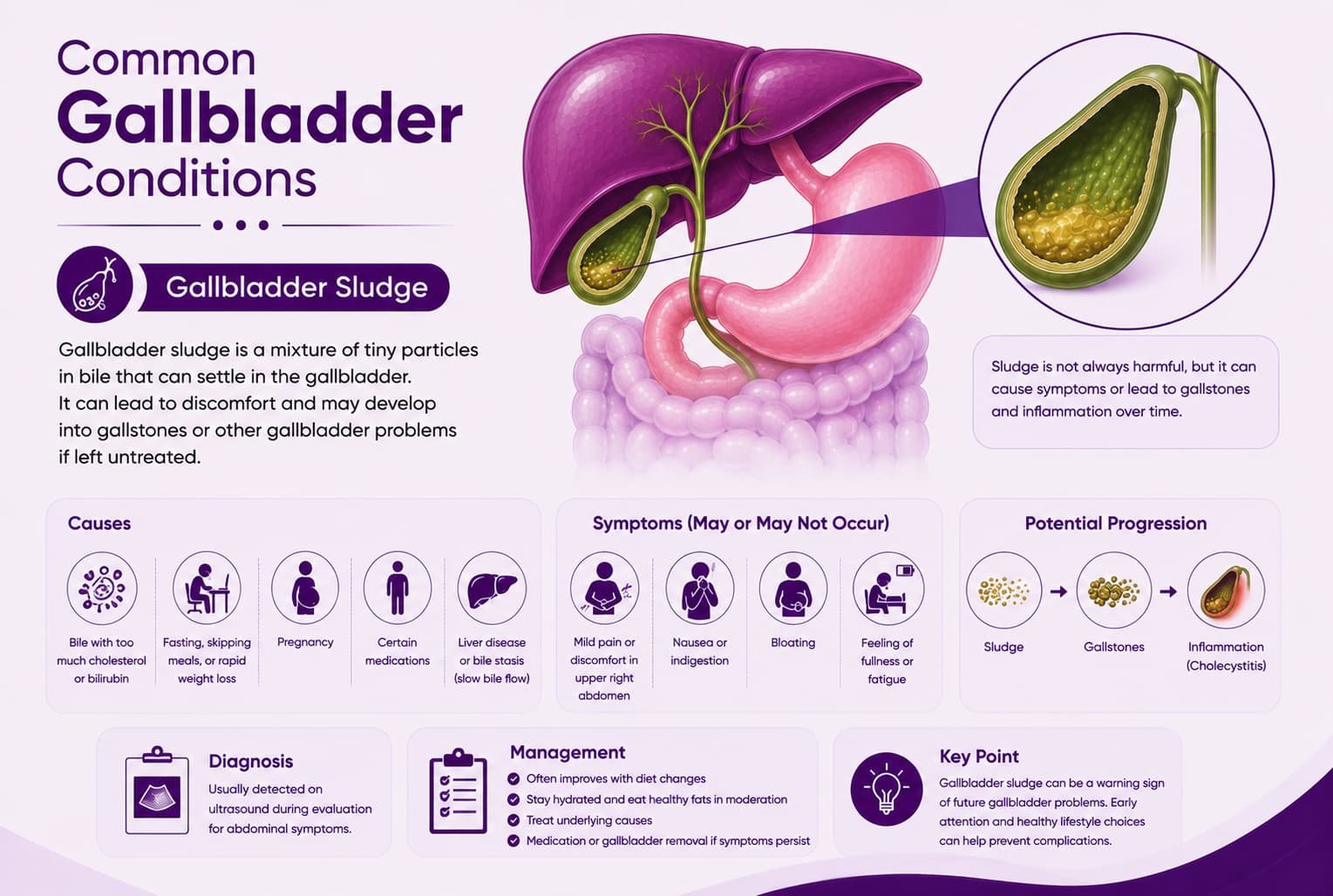
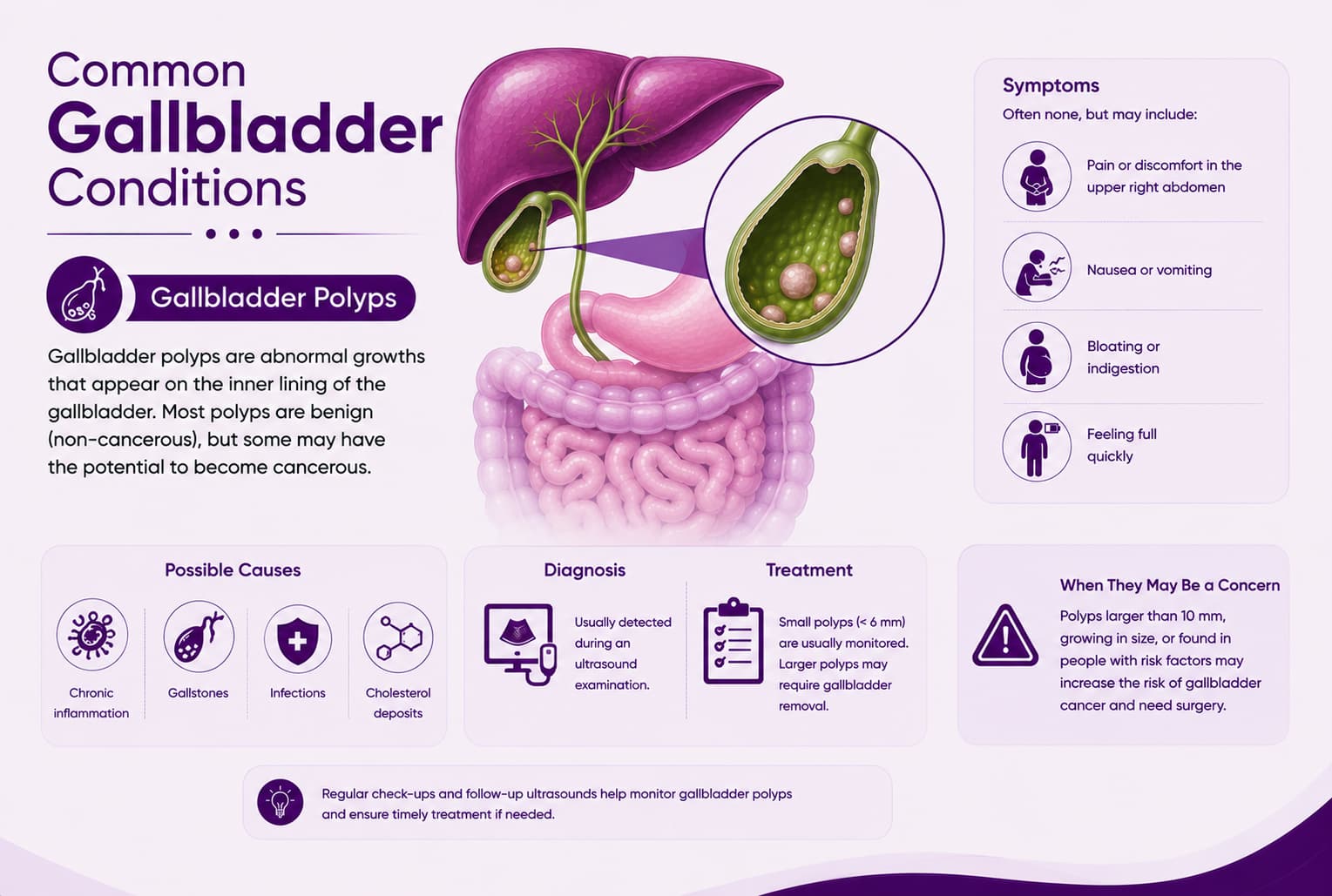
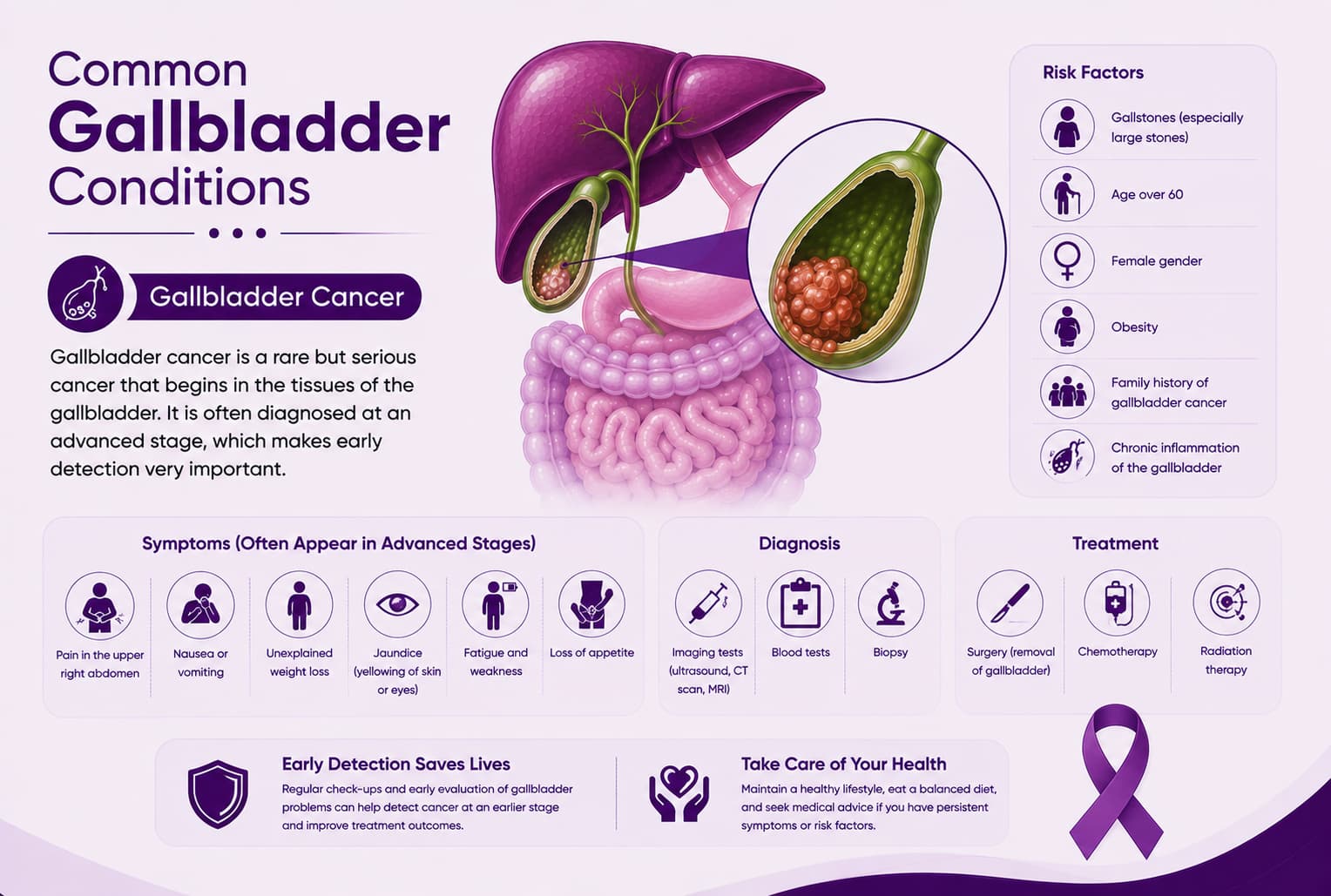
questions in this article. The gallbladder is a small, pear-shaped sac located under the liver
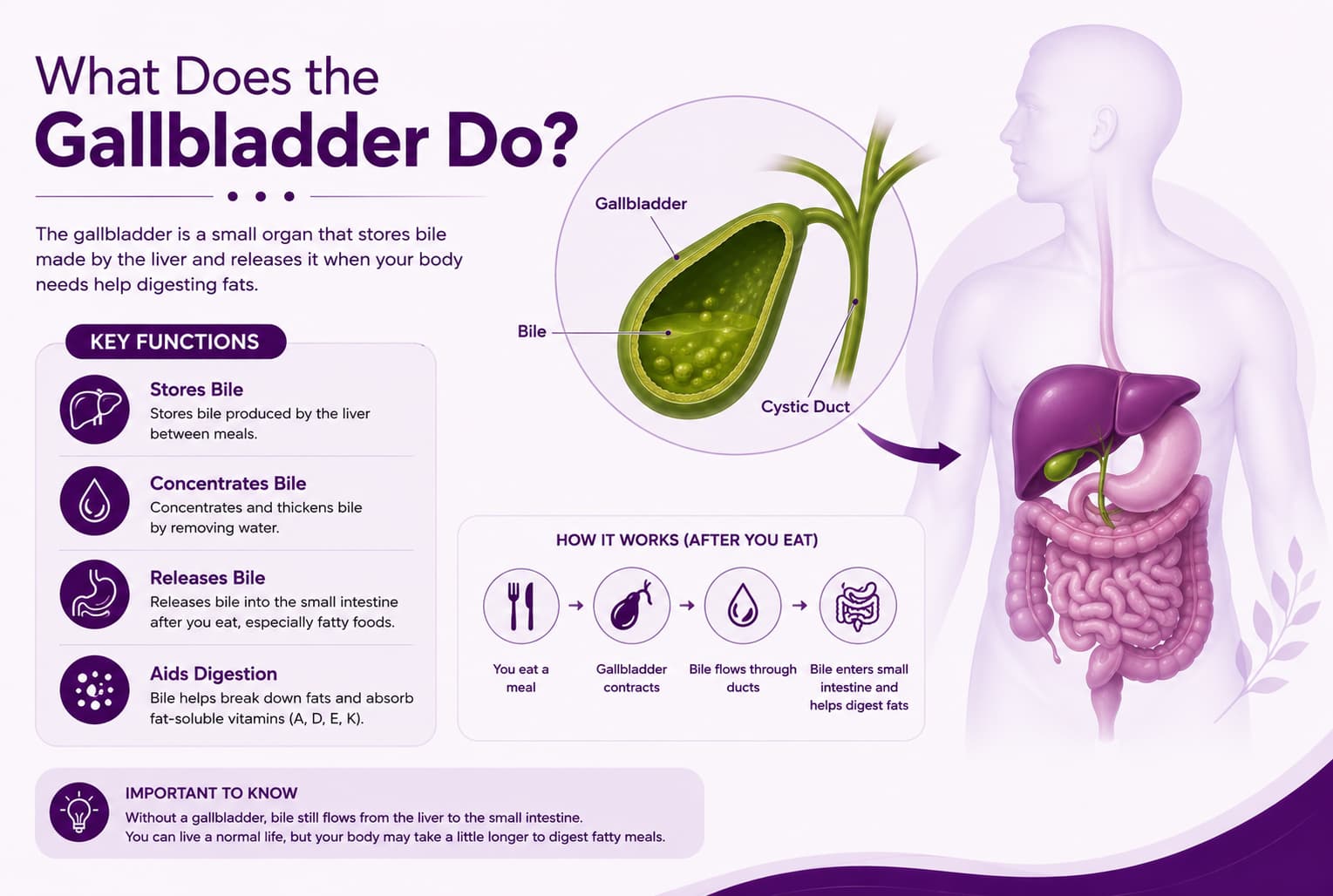
in the upper-right part of the abdomen. It stores and concentrates bile produced by the liver,
which helps digest fats in the small intestine.
Although small, the gallbladder plays a crucial role in the digestive process by releasing bile
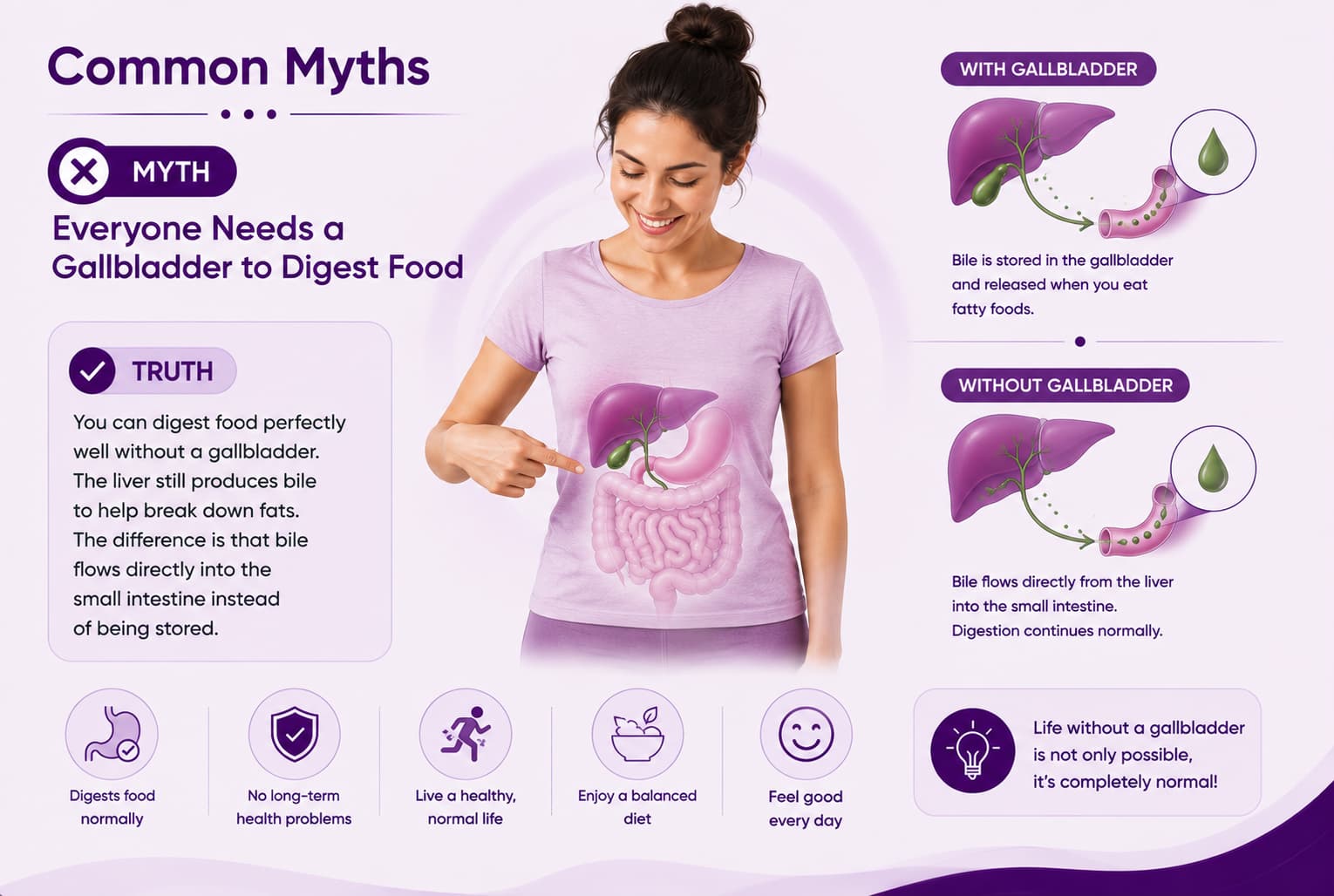
into the small intestine to break down fats when food enters the stomach. However, a person can
survive without a gallbladder, as the liver will continue producing bile and release it directly
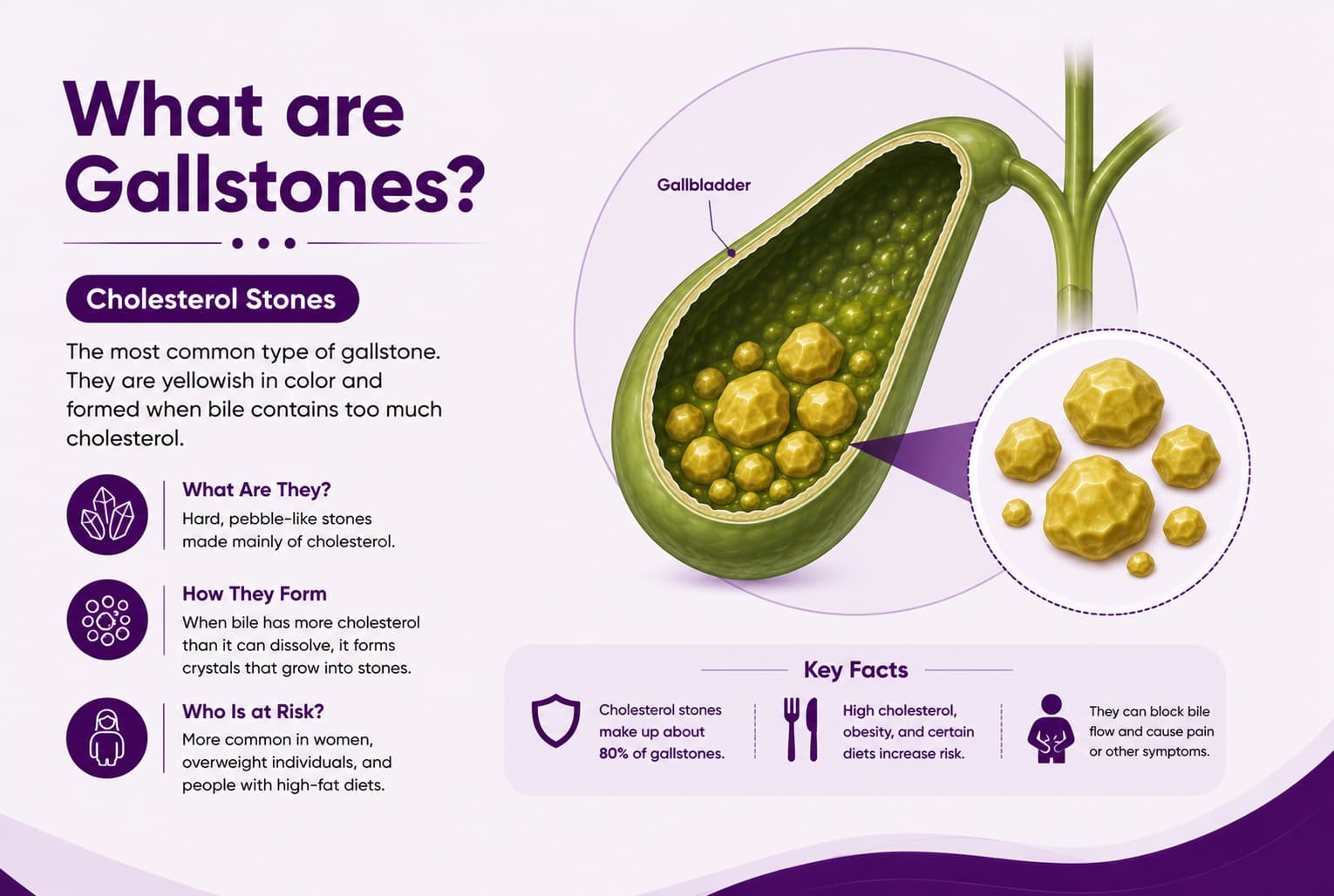
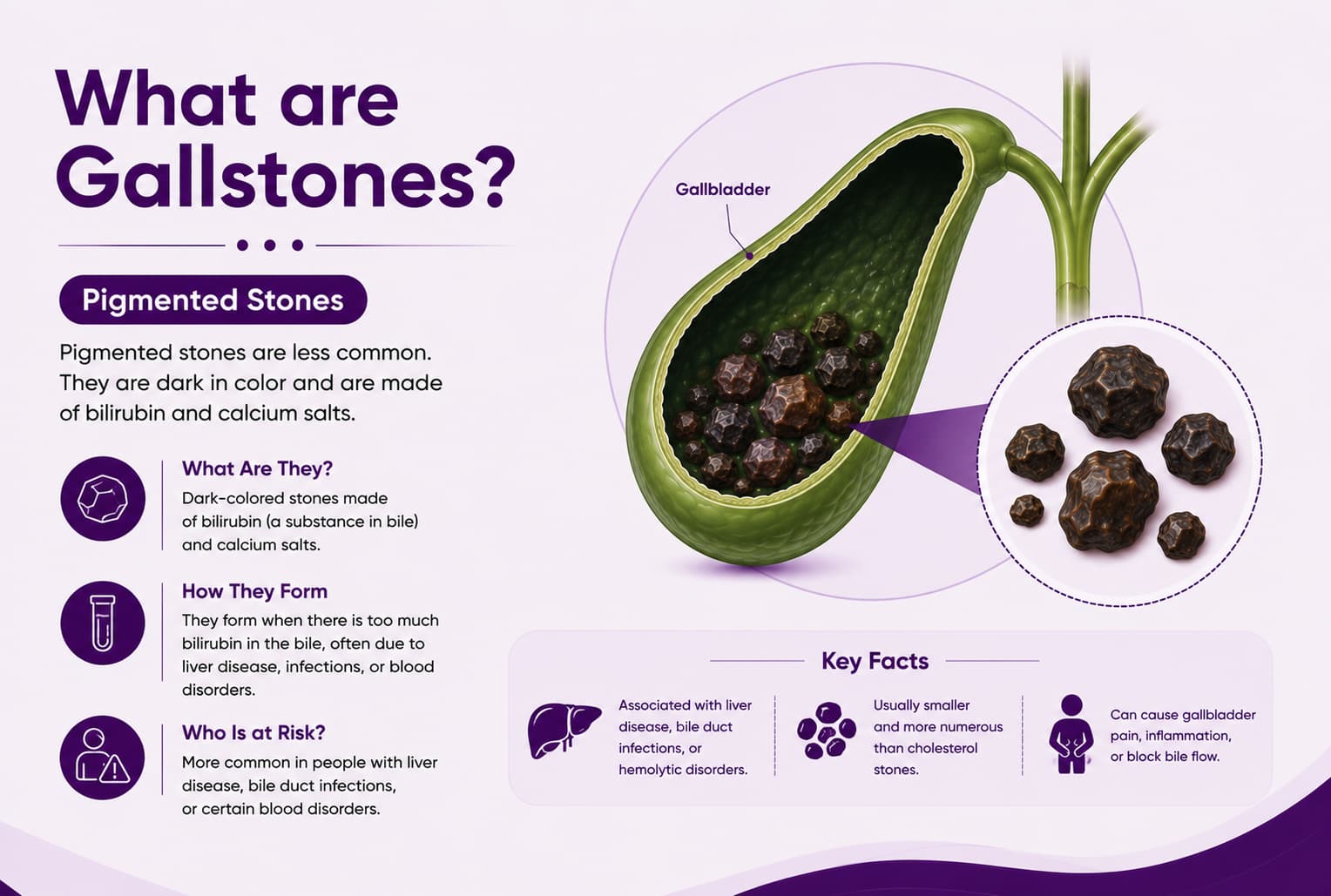
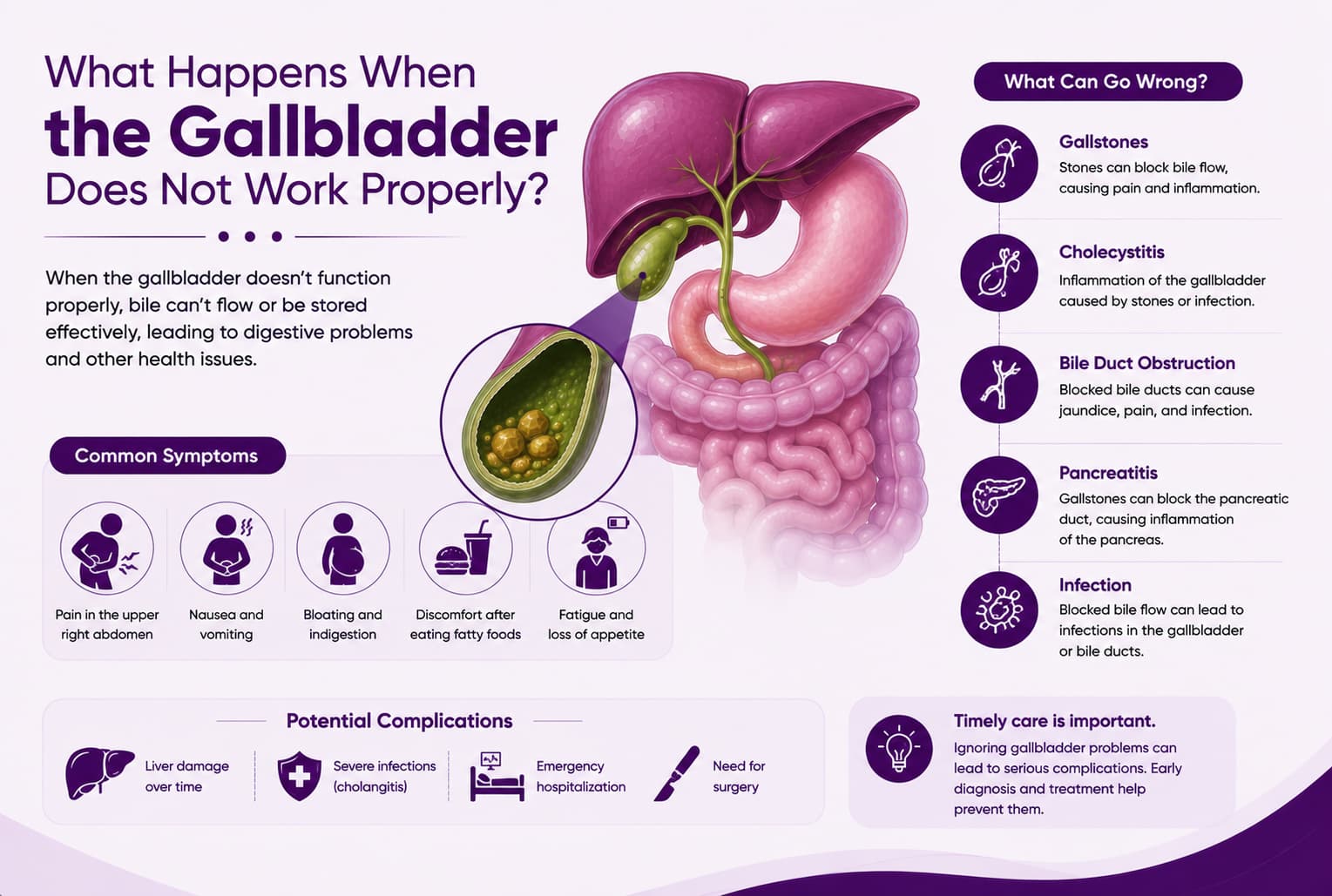
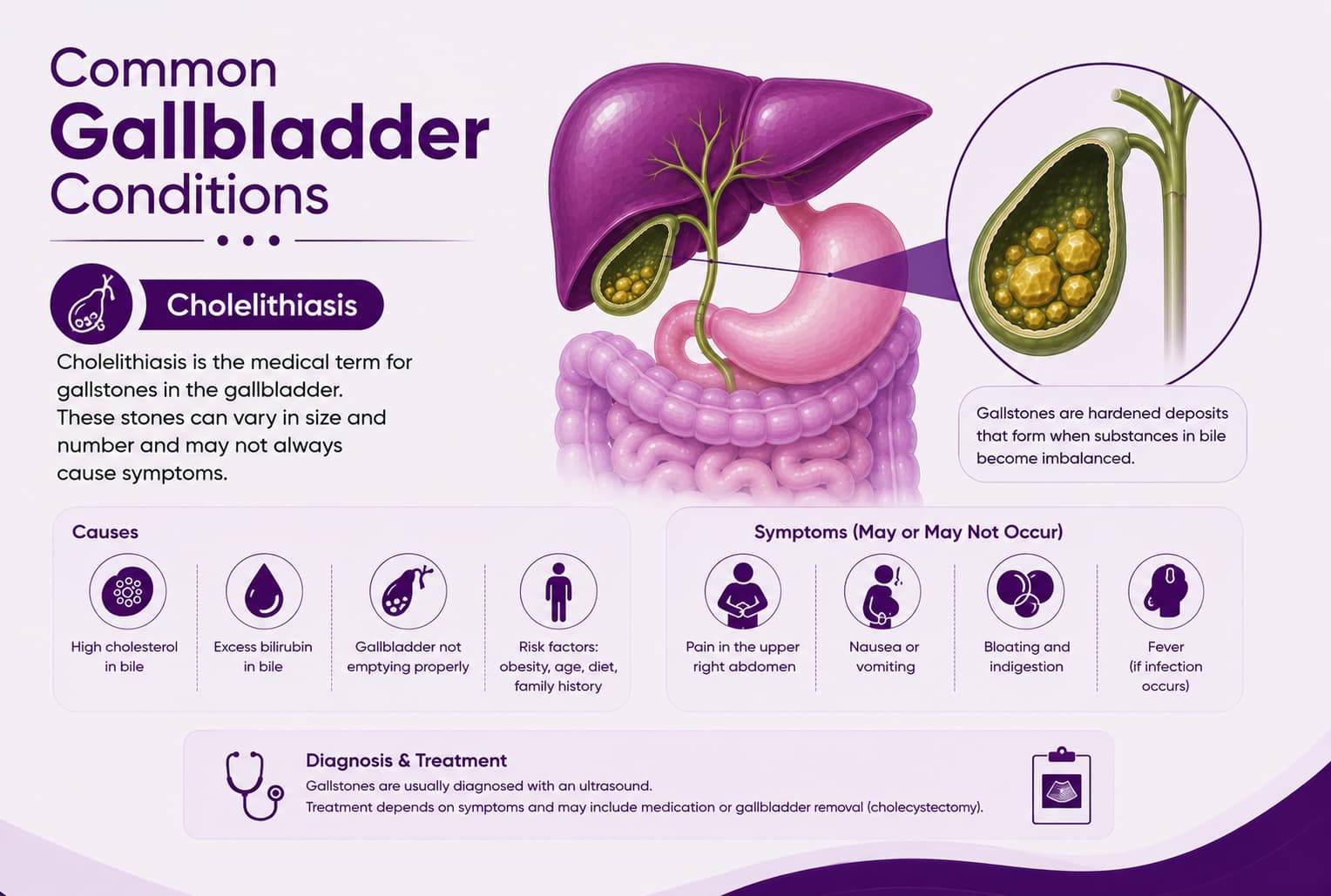
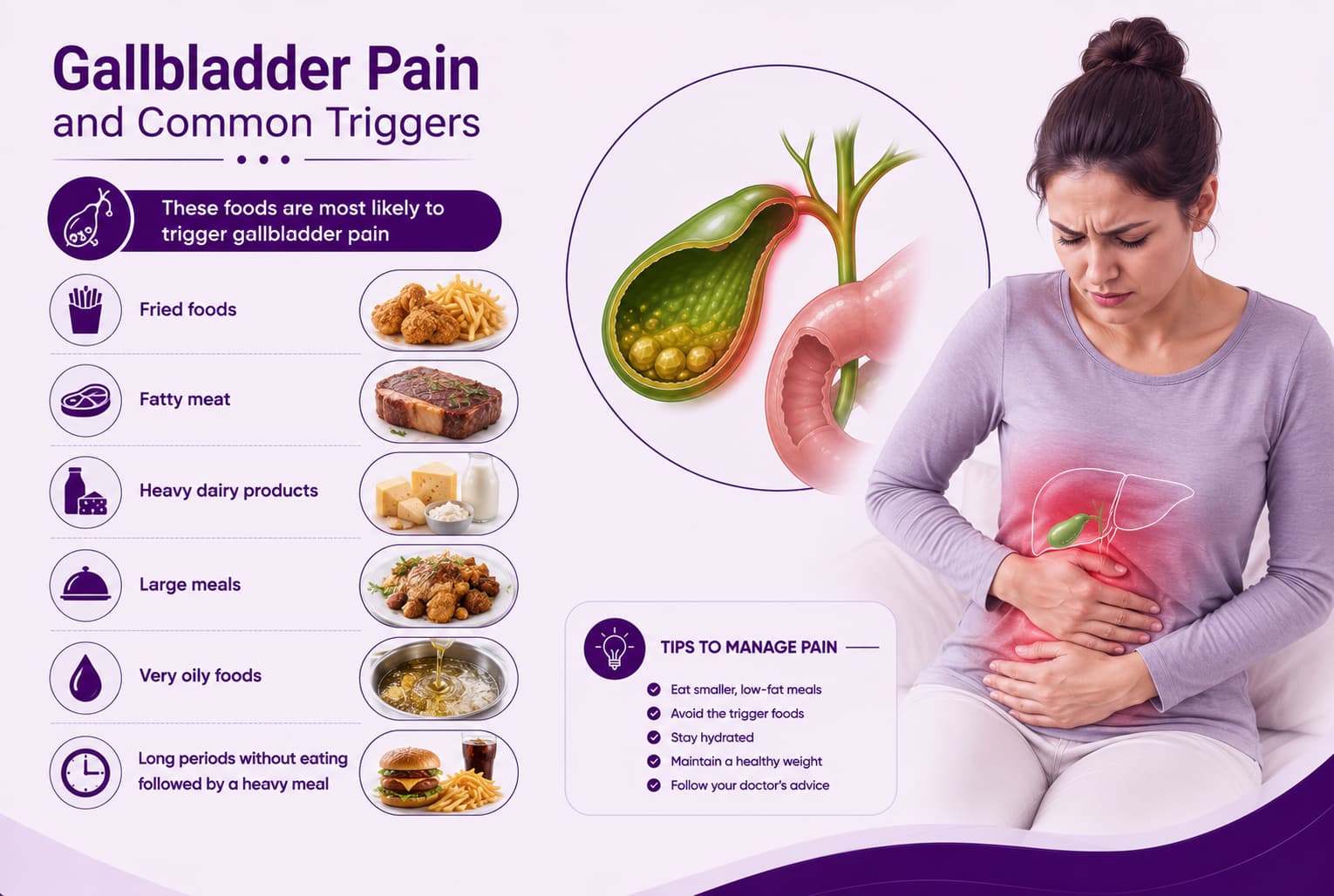
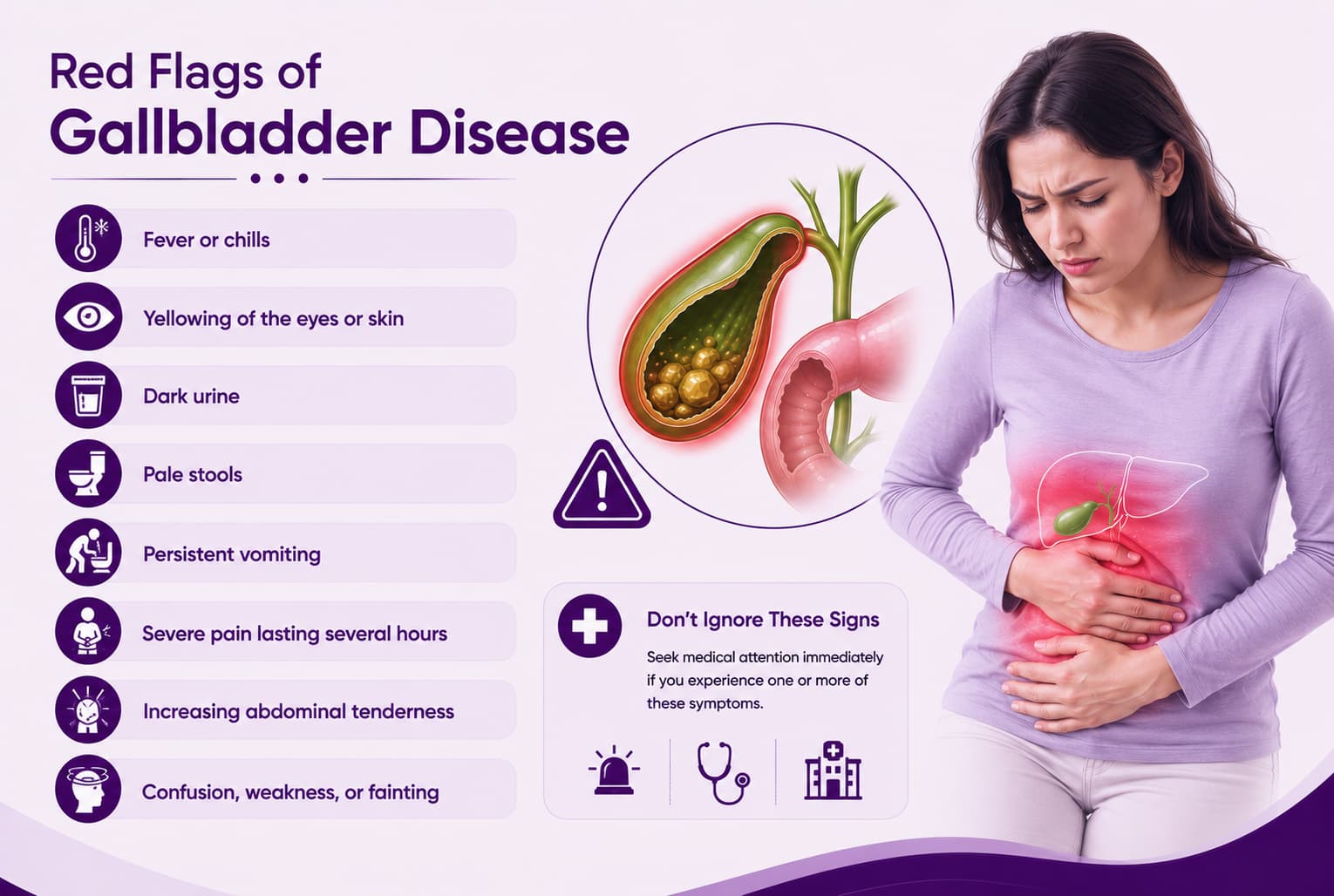
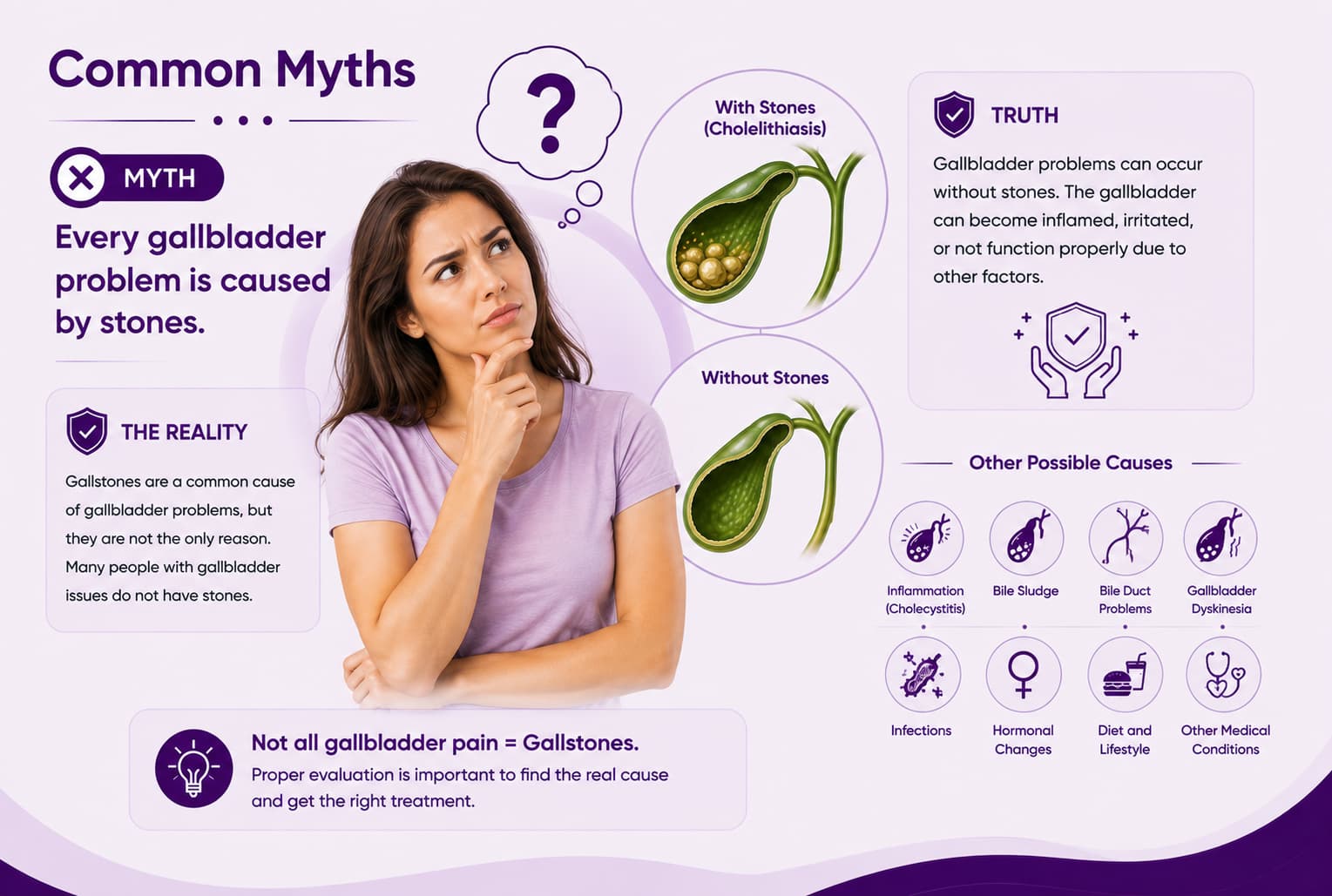
into the small intestine. A problem arises when gallstones block the flow of bile, leading to
pain and potential complications. Some people experience severe painful attacks, while in some
of the cases the stones remain undetected for years until they are seen on ultrasound, which is
done for some other reason.
Understanding the gallbladder’s anatomy, function, and location is essential for recognizing the
importance of its health and addressing any issues that arise, such as gallstones. Regular
check-ups and a balanced diet can help maintain gallbladder health and reduce the risk of
developing gallstone disease.