HBPSP

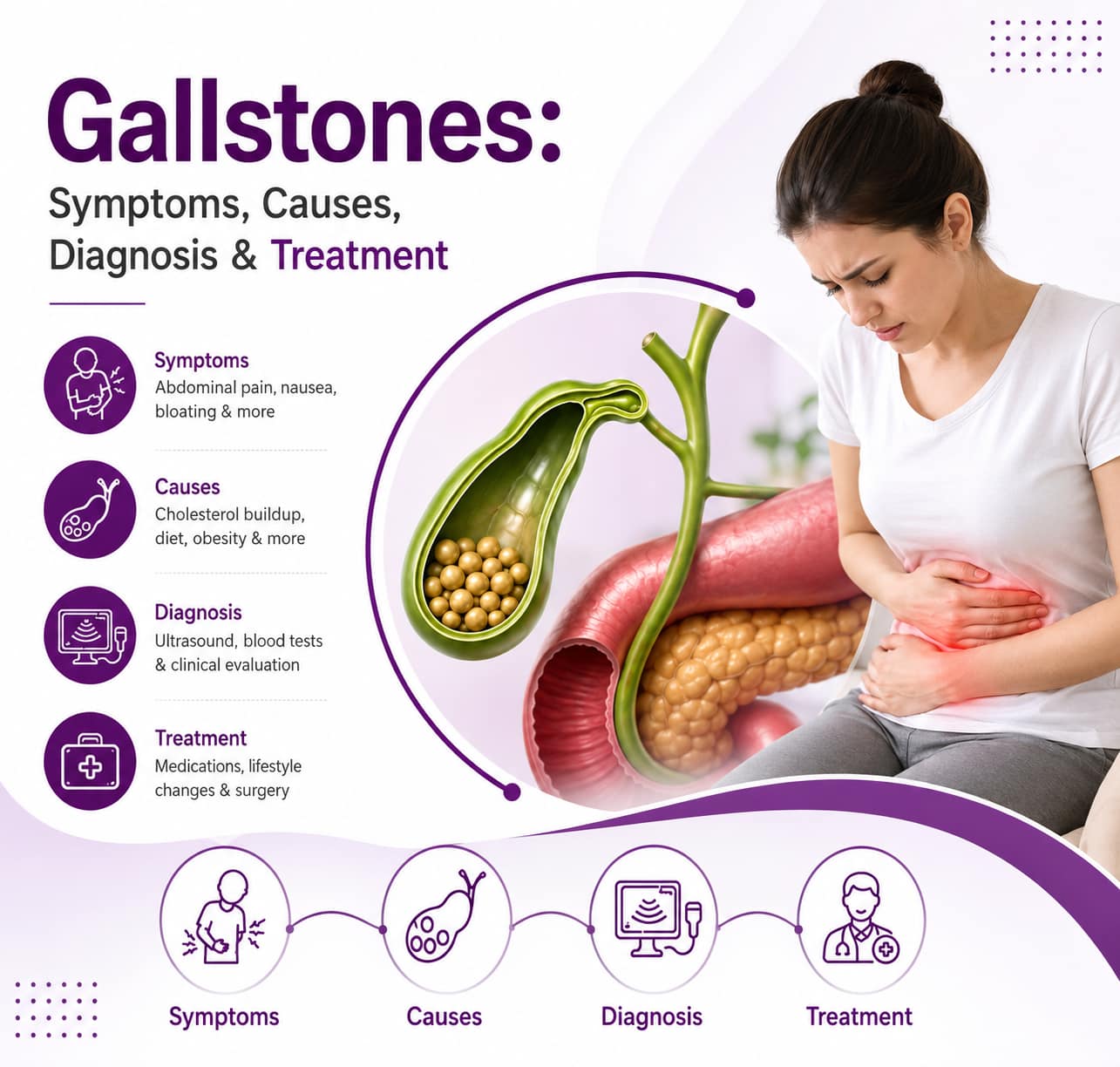
Gallstones: Symptoms, Causes, Diagnosis & Treatment

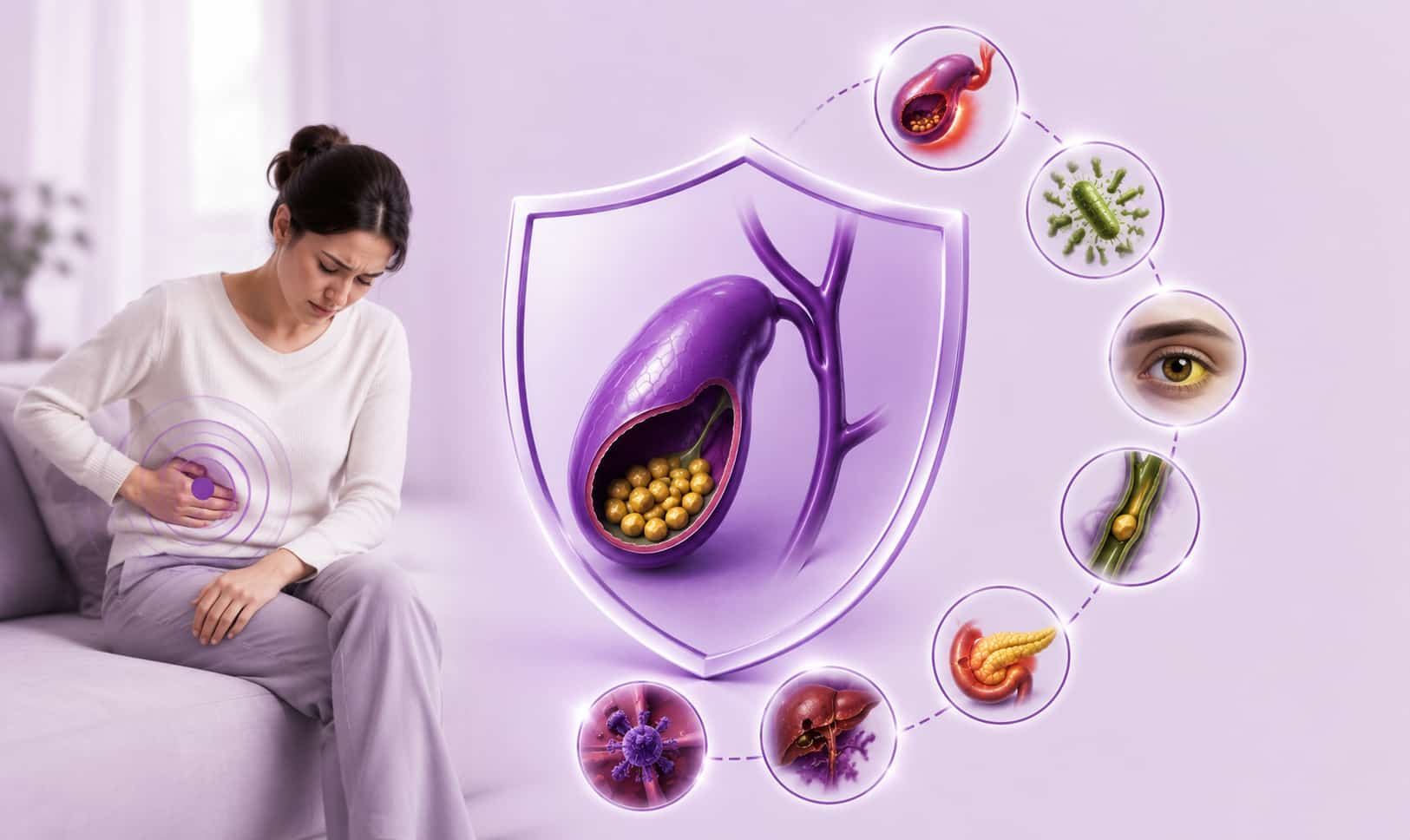
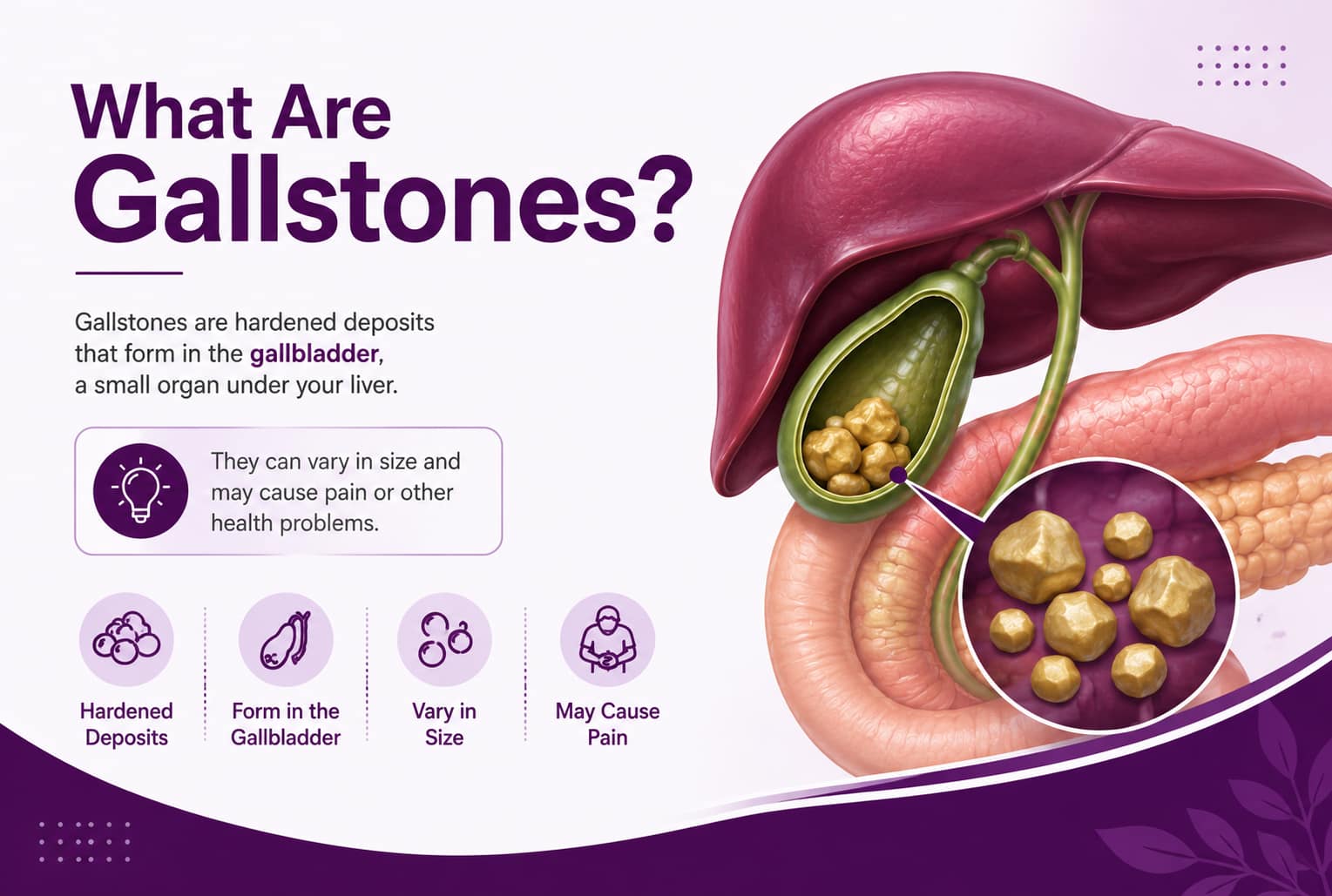
We know gallstones as the hard deposits that form inside the gallbladder. The gallbladder serves as a small organ located just below the liver and stores bile. Bile is a fluid produced by the gallbladder that helps digest fats in foods. Gallstones can remain silent for years, which we call asymptomatic gallstones. However, some gallstones become so big that they block the bile ducts, causing severe pain and other complications such as sudden pain, inflammation, nausea, or infection.

Early recognition of gallstones can reduce complications. Therefore, it is important to pay attention to this, especially if you feel repeat uper abdominal pain; then you should immediately seek medical advice. This guide serves the purpose of explaining the symptoms, causes, diagnosis, and treatment.

Gallstones-Symptoms,Causes,Diagnosis and Treatment
What Are Gallstones?

What Are Gallstones?

Gallstones, also known as gallbladder stones, develop when substances in bile, such as cholesterol or bilirubin, harden and form solid particles. Moreover, these stones can range in size from tiny grains to large objects the size of a golf ball. There are two main types of gallstones. Cholesterol stones are the most common, consisting primarily of hardened cholesterol. They appear yellow-green in color. The second type, pigment stones, are smaller and darker, made up of bilirubin. Both types can cause blockages in the bile ducts, and they may remain silent. However, when they obstruct the flow of bile, they show symptoms.

These are the flags that you need to watch out for in a gallstone attack

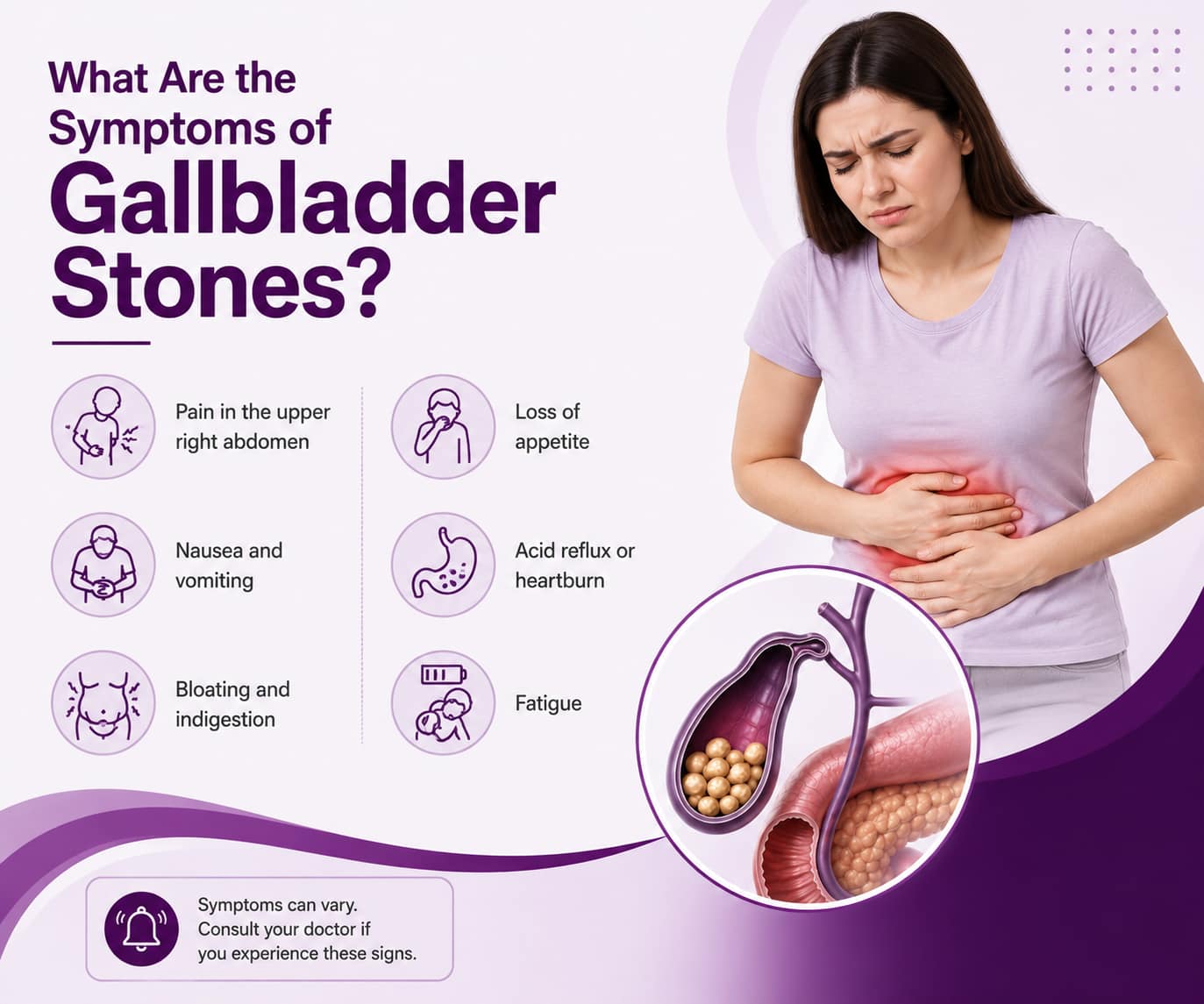
  • Sudden pain in the upper-right or upper-middle abdomen
  • TheSudden pain in the upper-right or upper-middle abdomen
  • Nausea or vomiting
  • Indigestion, fullness, or bloating
  • Discomfort after a heavy or fatty meal

The pain caused by a gallstone attack can last from several minutes to hours, and it can be severe enough to interfere with daily activities. Fever, chills, jaundice (yellowing of the skin and eyes), and clay-colored stools may indicate a more serious condition, such as an infection or obstruction of the bile ducts, which require immediate medical attention.
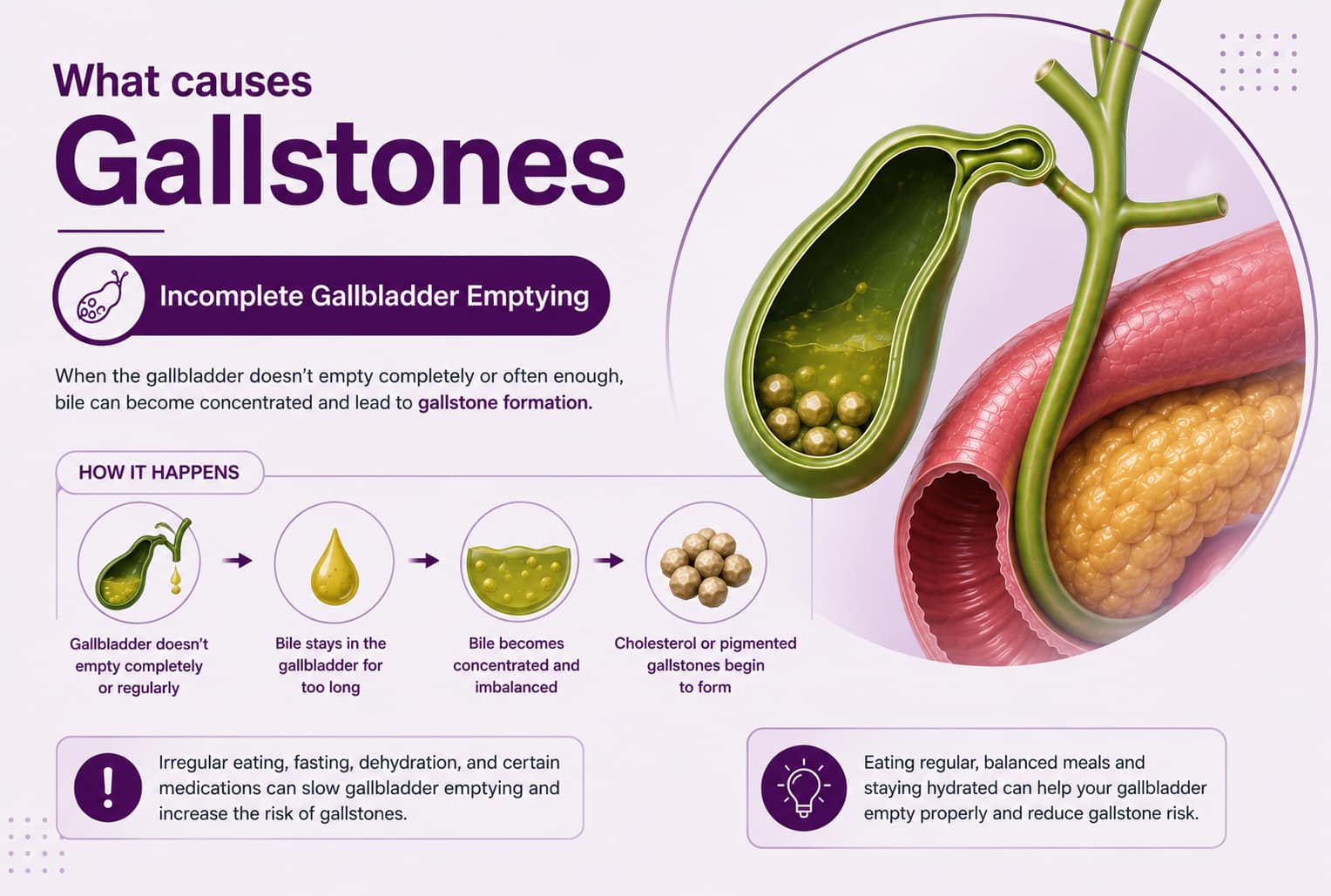
What causes Gallstones?

Gallstones form when the chemical composition of bile becomes unbalanced, or when it is not able to empty properly from the gallbladder.

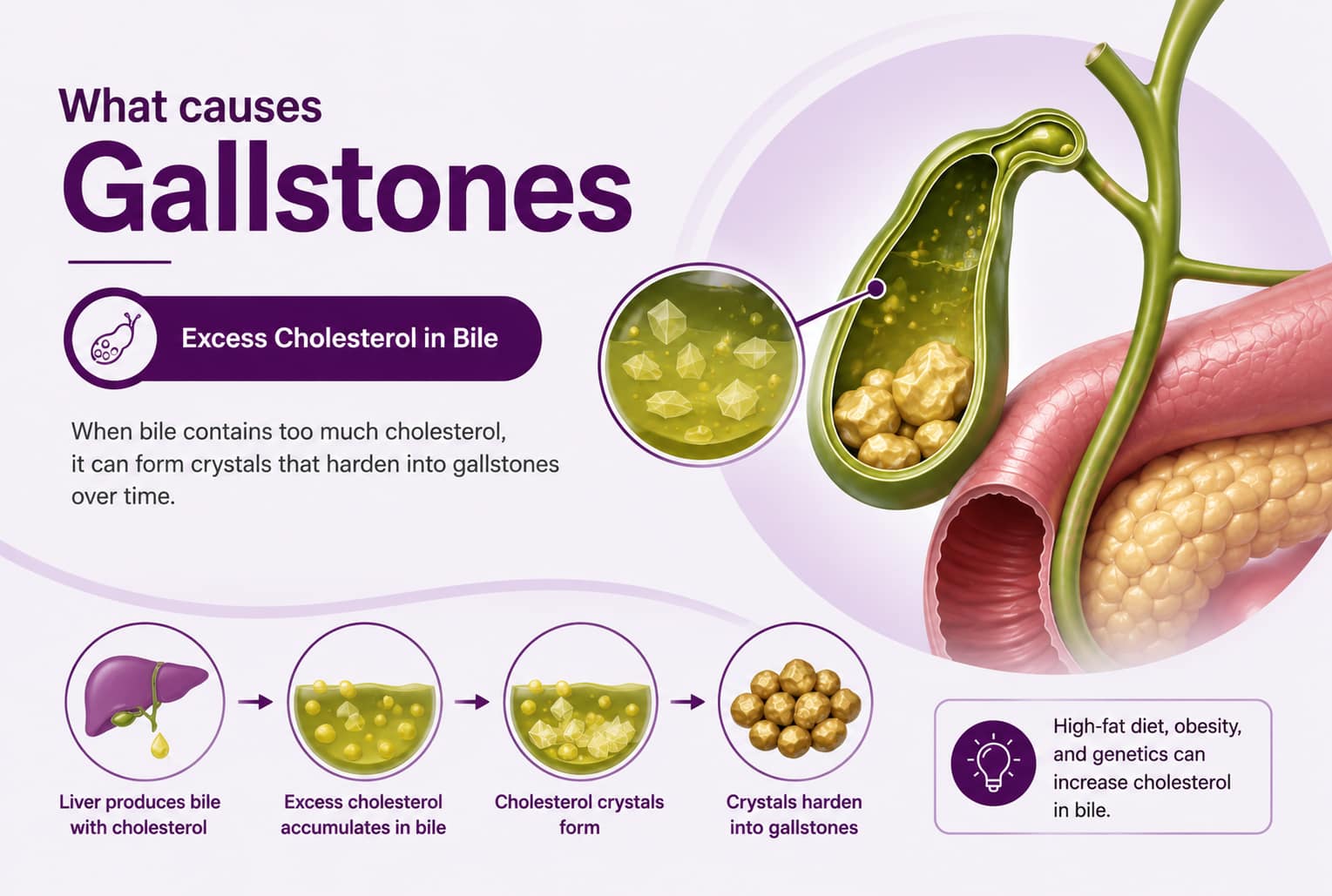
Excess Cholesterol in Bile

The liver may release more cholesterol than the bile can dissolve, leading to the formation of cholesterol crystals that later turn into stones.

Excess Cholesterol in Bile

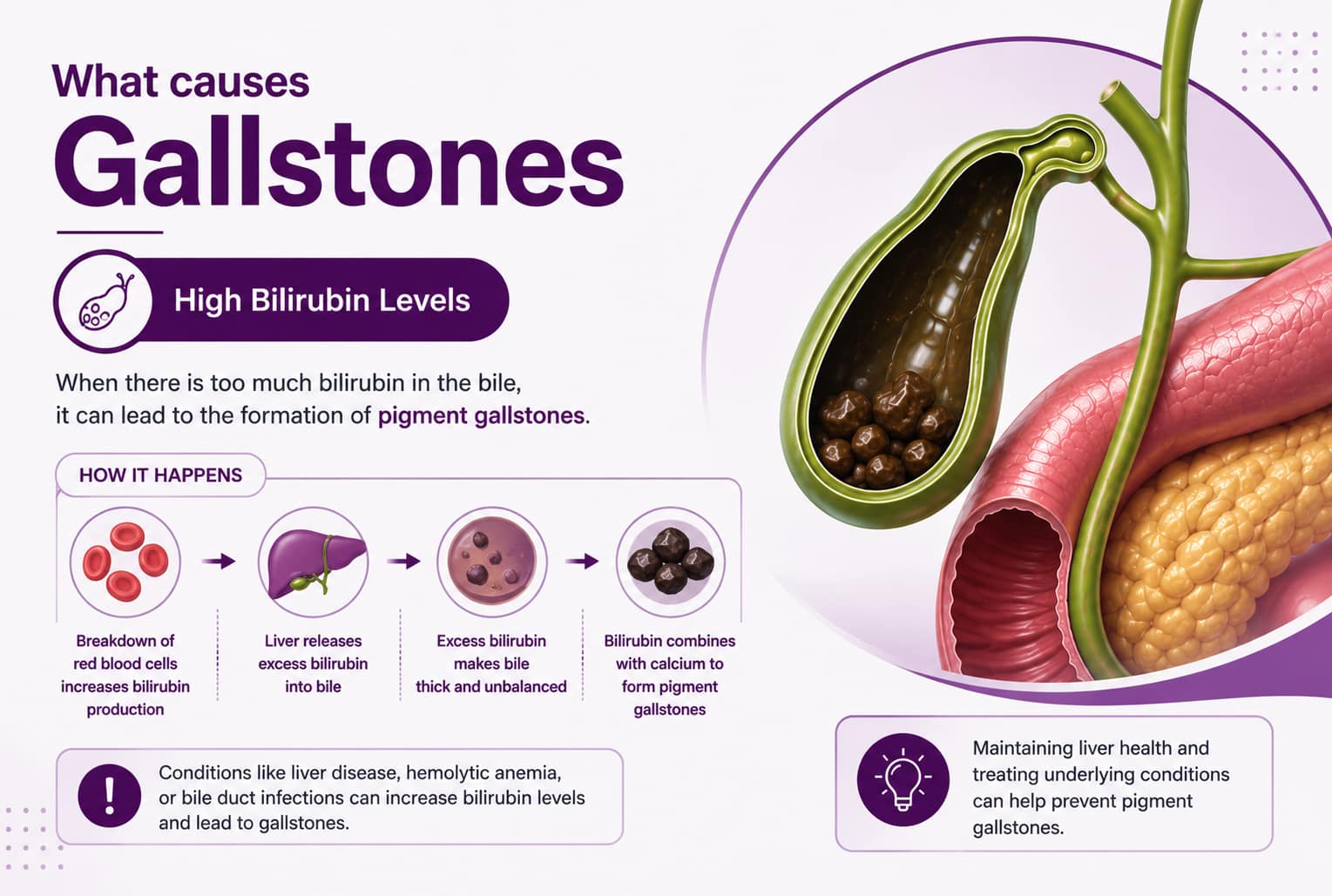
High Bilirubin Levels

The body produces bilirubin when it breaks down red blood cells. Certain liver conditions, infections, and blood disorders can increase bilirubin levels, contributing to pigment stone formation.

High Bilirubin Levels

Incomplete Gallbladder Emptying

When the gallbladder does not empty fully, bile becomes concentrated, increasing the likelihood of stone formation.

Incomplete Gallbladder Emptying

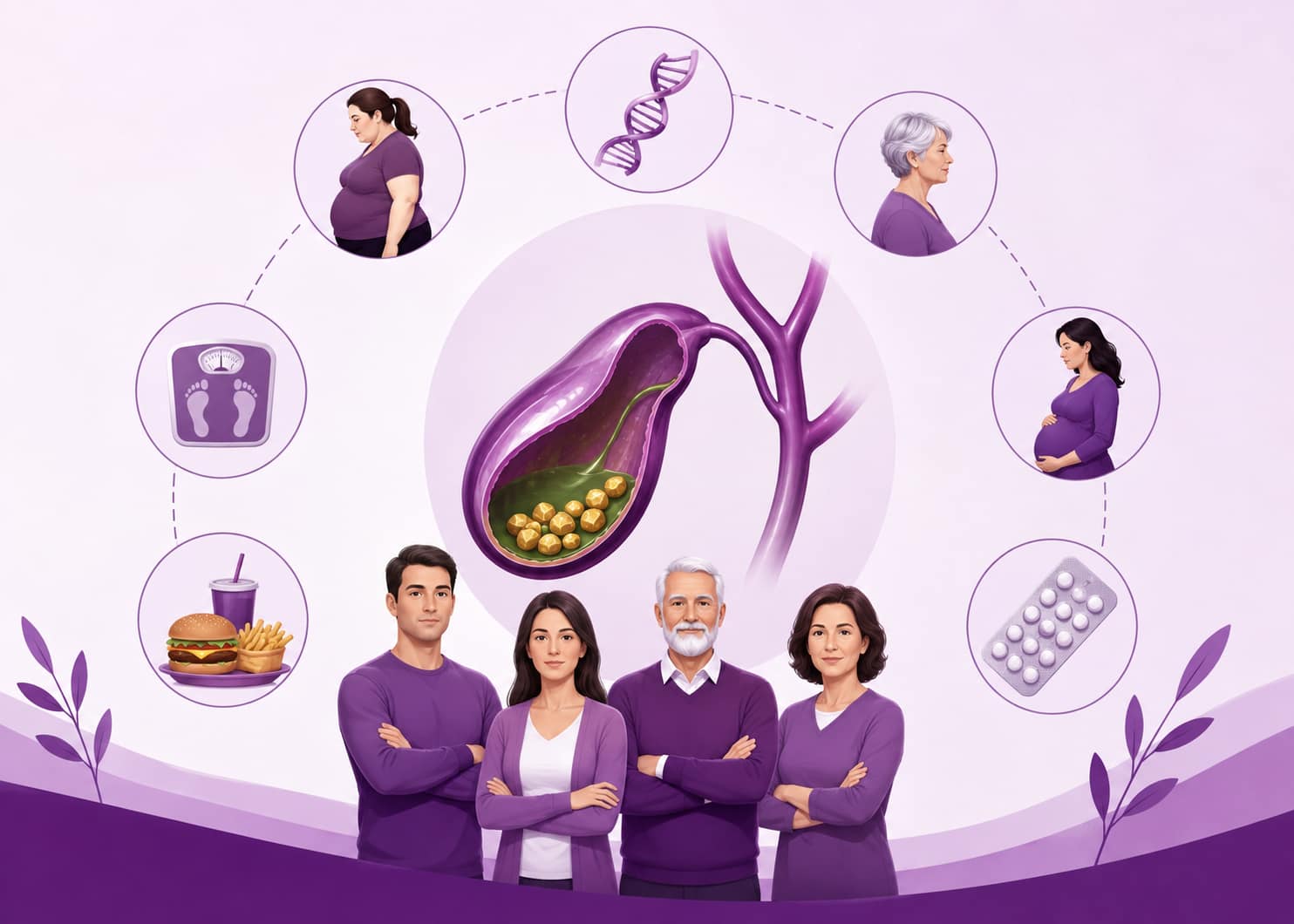
Gallstone disease can occur in anyone, but certain factors increase the risk

  • Being overweight or living with obesity
  • Losing weight very quickly
  • Pregnancy
  • Increasing age
  • A family history of gallbladder stones
  • Diabetes or metabolic disease
  • Certain liver or blood conditions
  • Long periods of fasting or skipping meals

How Are Gallbladder Stones Diagnosed?

A doctor reviews the symptoms and medical history, performs a physical examination, and orders tests to diagnose gallbladder stones.

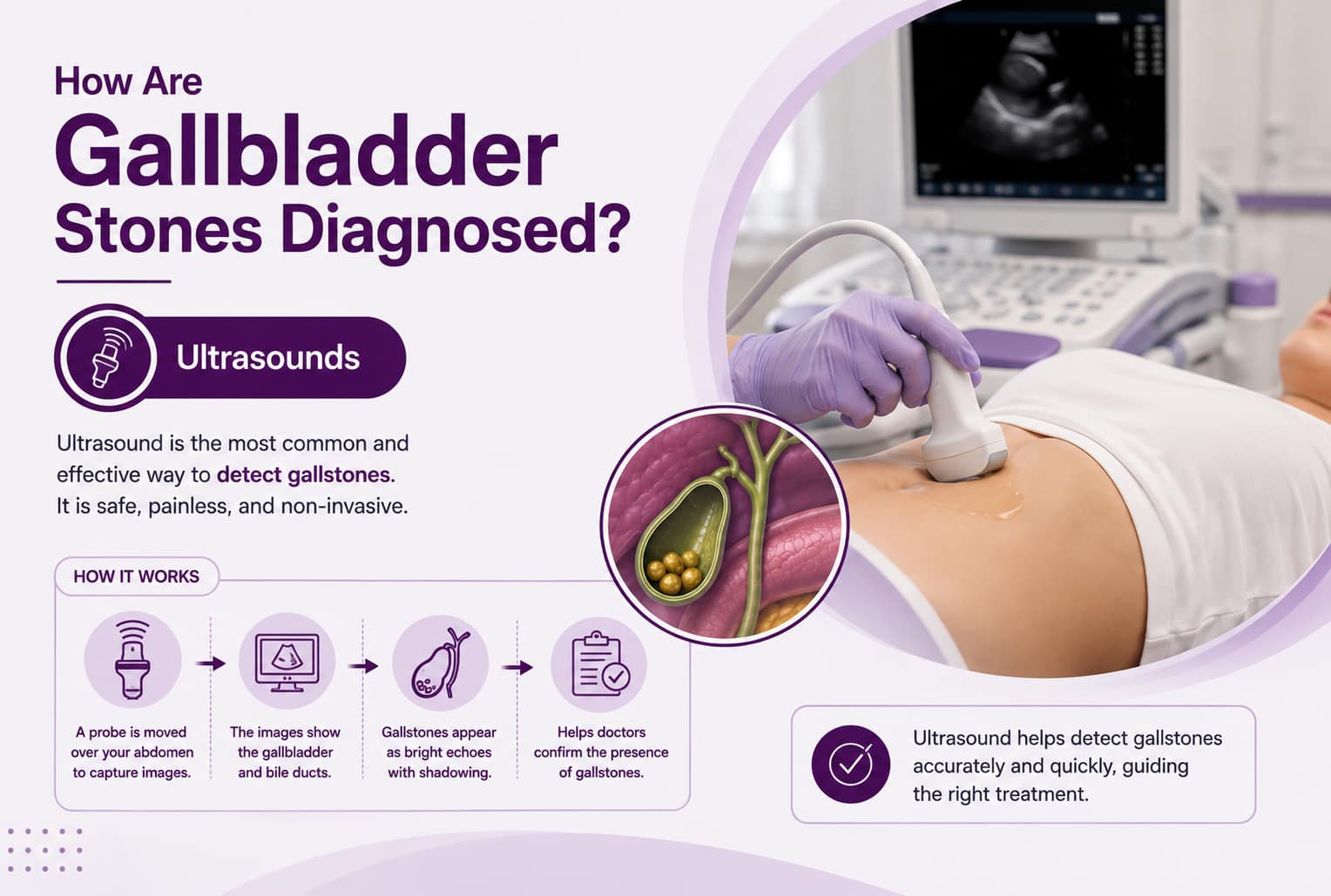
Ultrasounds

Ultrasounds are usually the first test used to diagnose gallstones. They provide clear images of the gallbladder and can detect the presence of stones and signs of inflammation. Blood tests may also be ordered to check for signs of infection or jaundice.

How Are Gallbladder Stones Diagnosed Ultrasounds

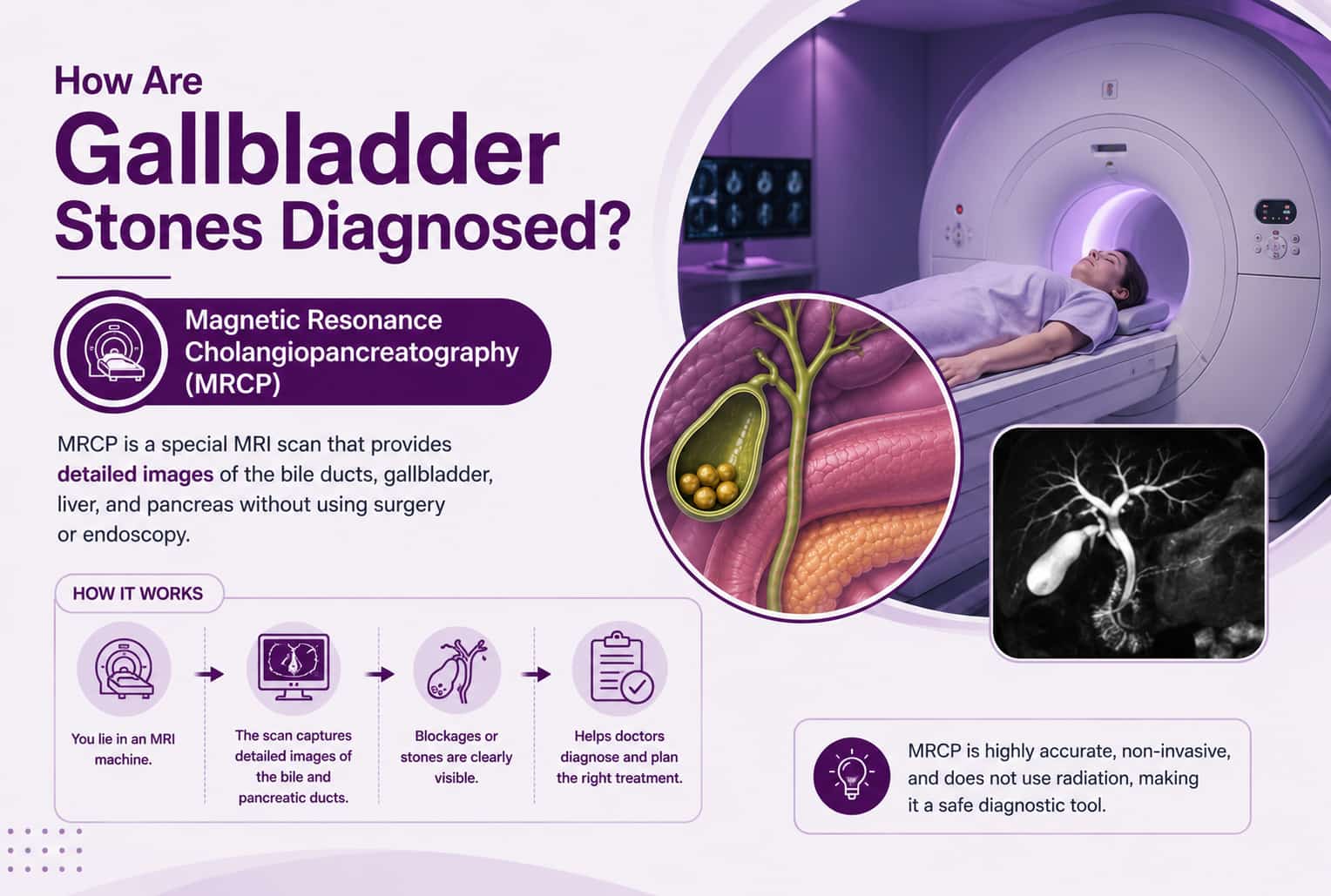
Magnetic Resonance Cholangiopancreatography (MRCP)

Cholangiopancreatography, or MRCP, is a process that provides detailed images of the bile ducts. Moreover, Endoscopic retrograde cholangiopancreatography, or ERCP, can be used to both diagnose and remove stones from the bile ducts. Note that all the treatments depend upon the severity of the condition, the patient's condition, additional tests, and the unique condition of the patient.

Magnetic Resonance Cholangiopancreatography (MRCP)

Gallstone Treatment Options

There are many treatment options available for gallstones, but it all depends on the symptoms, stone location, complications, and the overall health of the patient.

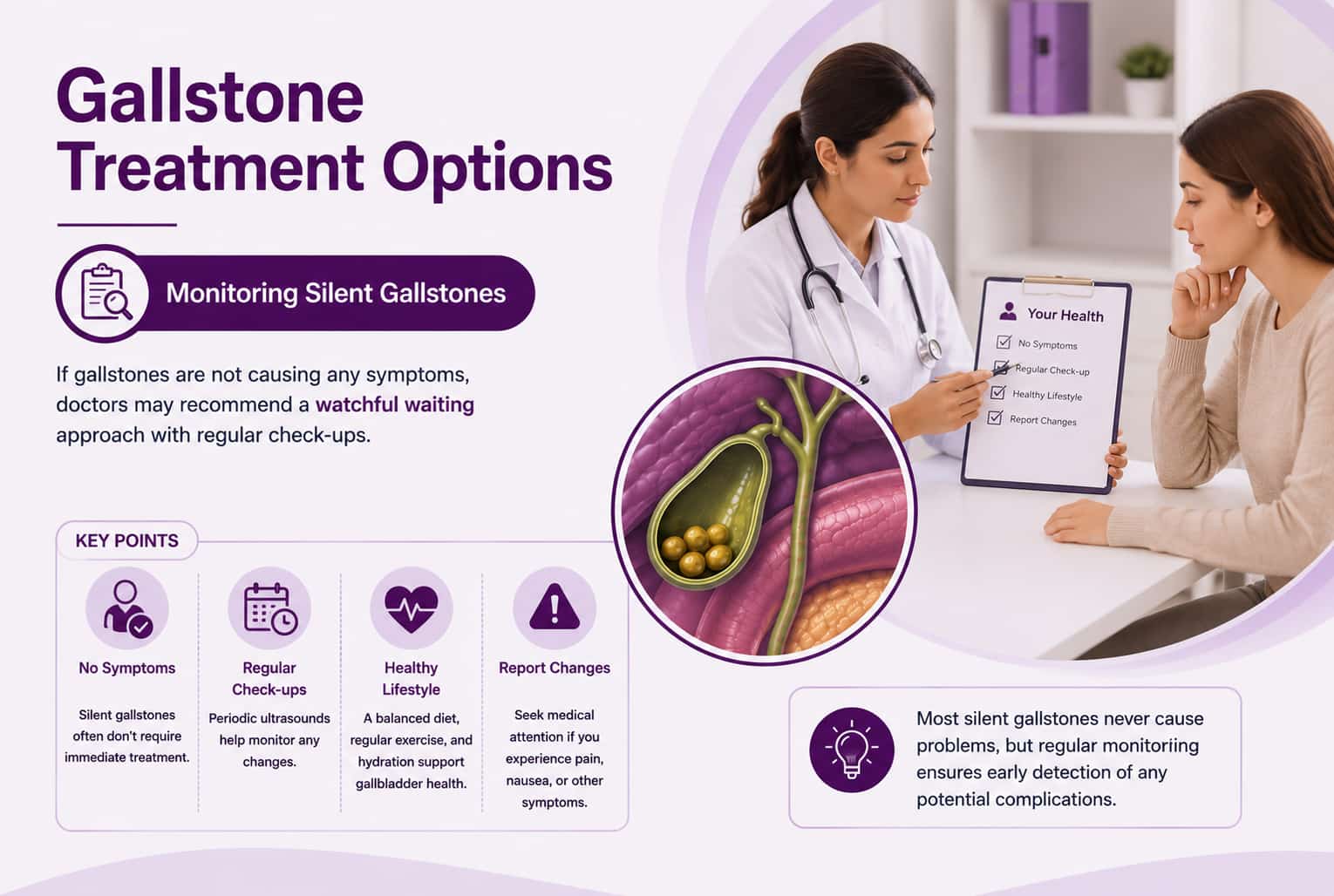
Monitoring Silent Gallstones

Sometimes the gallbladder stones do not cause any symptoms, and the doctor may decide to monitor them instead of treating them immediately. However, the patient should arrange a medical review if the stones start causing symptoms or complications such as pain, fever, jaundice, vomiting, or infection. Silent stones usually do not require treatment unless the symptoms indicate a blockage or inflammation.

Monitoring Silent Gallstones

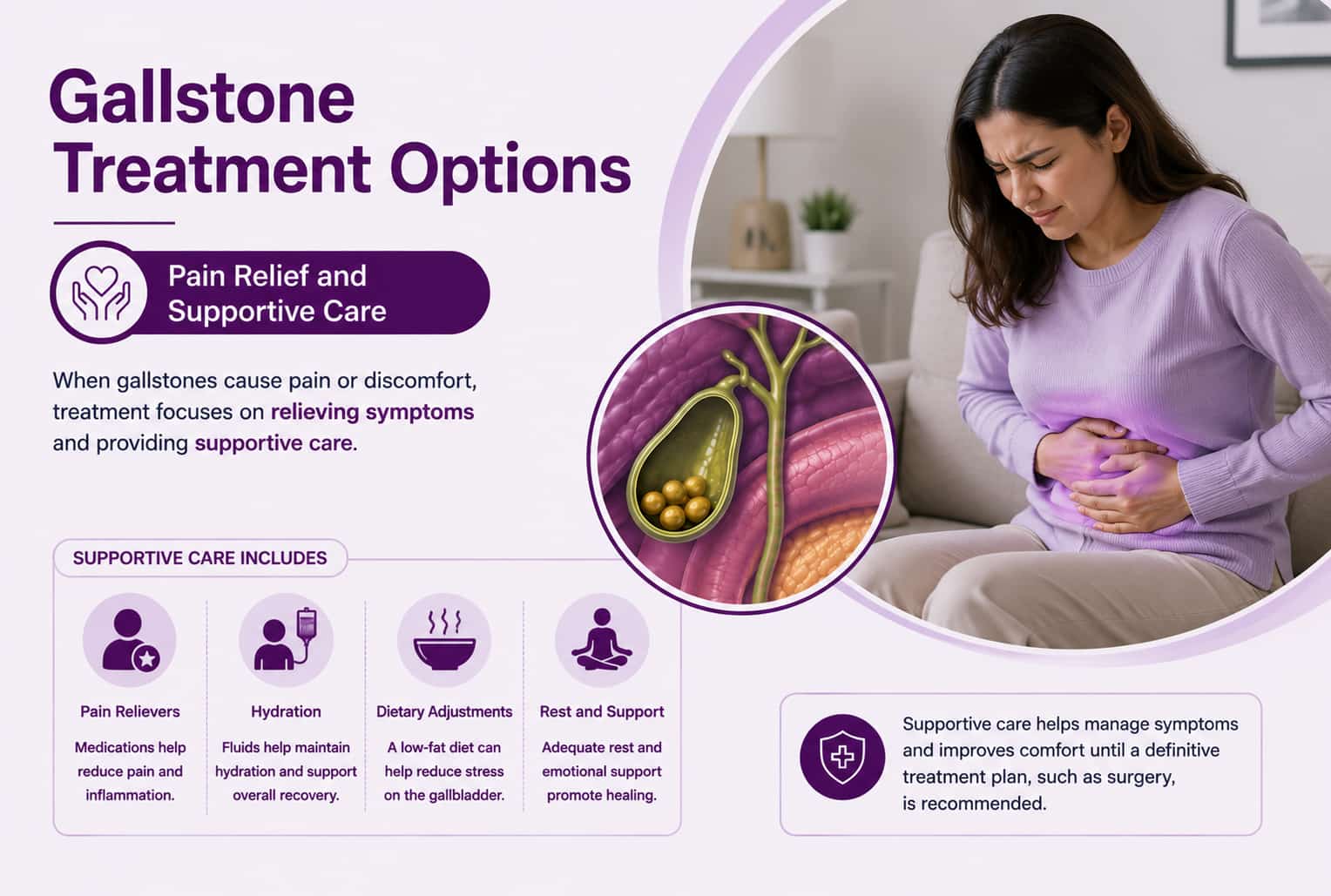
Pain Relief and Supportive Care

The doctor may use pain medicine, fluids, anti-nausea treatment, or antibiotics when the infection is diagnosed. These treatments aim to alleviate symptoms and support the patient but they do not necessarily remove the stones. Patients should never rely on painkillers when the attacks keep returning, as this can mask the problem and delay it. Repeated pain episodes can be a sign of worsening gallbladder stones and require immediate investigation.

Pain Relief and Supportive Care

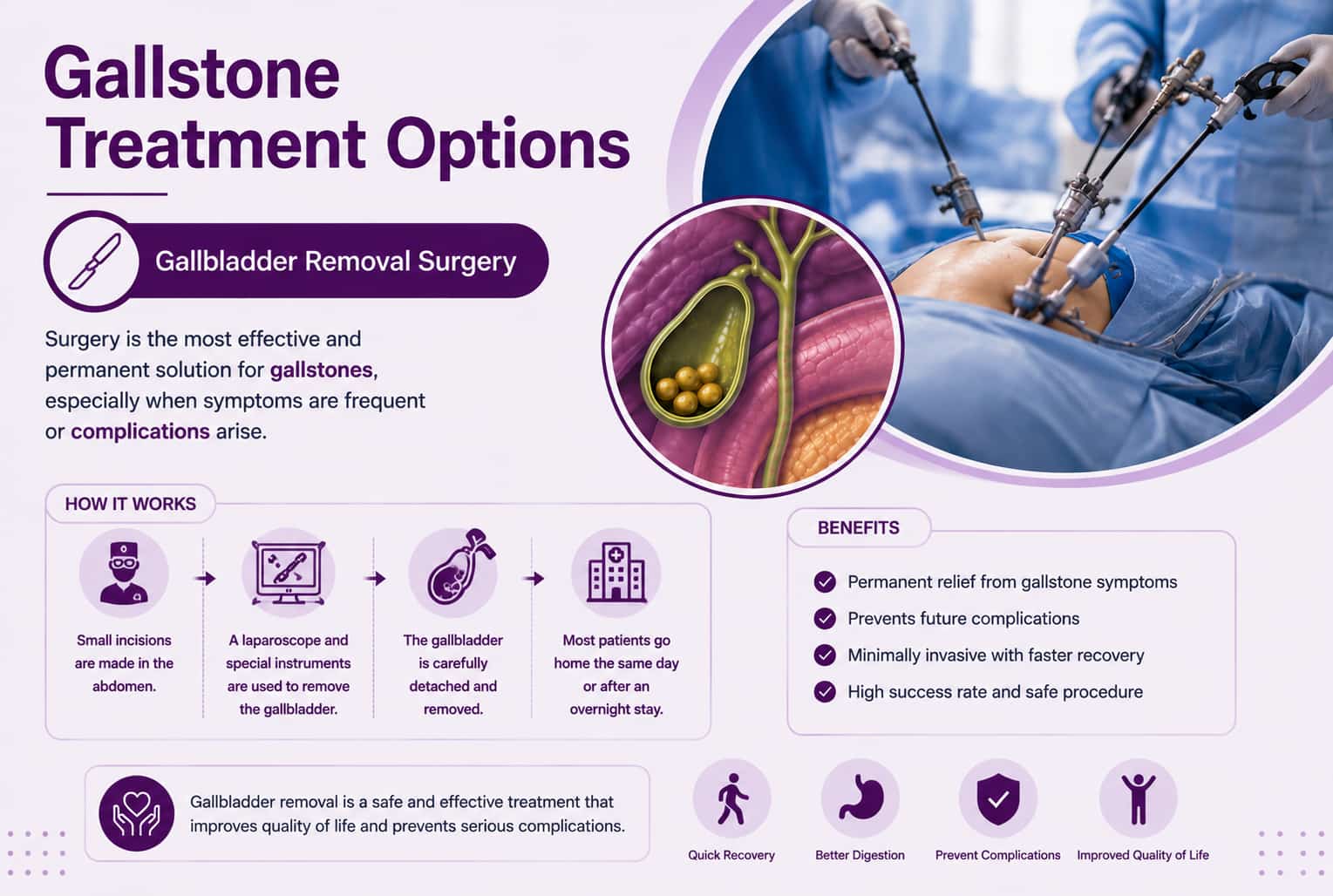
Gallbladder Removal Surgery

Gallbladder removal surgery, or cholecystectomy, is a standard treatment that usually aims to remove the gallbladder. Now the common myth is that the person can not survive without a gallbladder, and it is definitely wrong. A patient can survive without a gallbladder, as the bile moves directly from the liver to the small intestine, bypassing the gallbladder. Moreover, most of the patients return to normal life and eating within a few days after the surgery. Patients considering The surgeon performs the operation using a laparoscopegallbladder removal surgery are facilitated at HPBSP Surgery Pakistan. The specialist will assess the symptoms, ultrasound findings, and the patient's overall health before deciding on the best approach.

Gallbladder Removal Surgery
Can Medicines Dissolve Gallstones

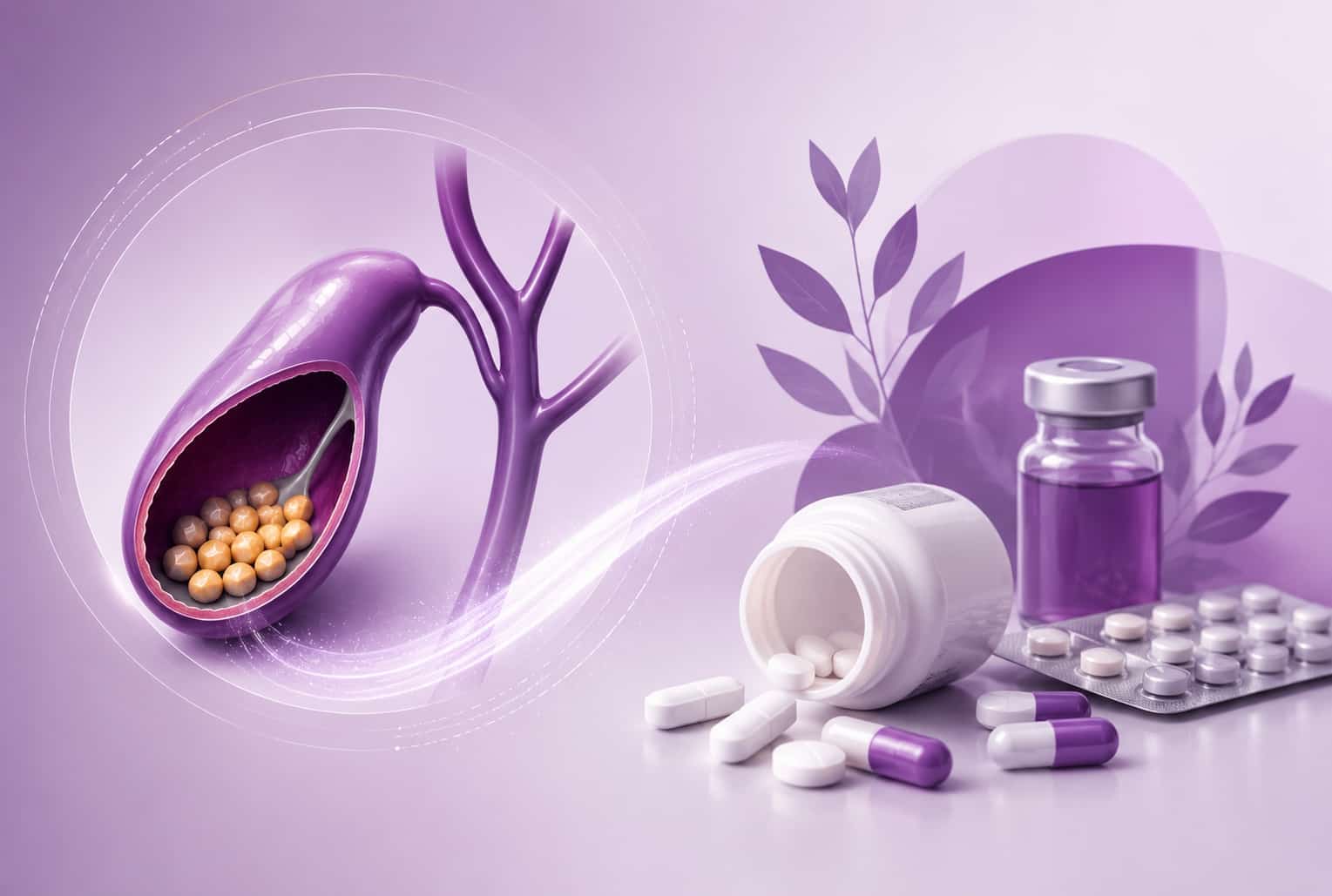
Can Medicines Dissolve Gallstones?

Medicine can dissolve certain types of gallstones, particularly cholesterol stones, but this process can take months or even years and isn't always effective. The common myth is that people avoid surgery because they believe medicines can dissolve all types of stones. However, it's important to note that not all stones can be dissolved with medication. A specialist must decide whether surgery or medication is the best course of action based on the patient's individual circumstances.

  • Acute cholecystitis
  • Infection of the gallbladder or bile ducts
  • Obstructive jaundice
  • Common bile duct stones
  • Gallstone pancreatitis
  • Gallbladder perforation or abscess
  • Sepsis in severe infections

Prompt assessment helps the medical team to decide on the best course of action.

Can You Prevent Gallstones

Can You Prevent Gallstones?

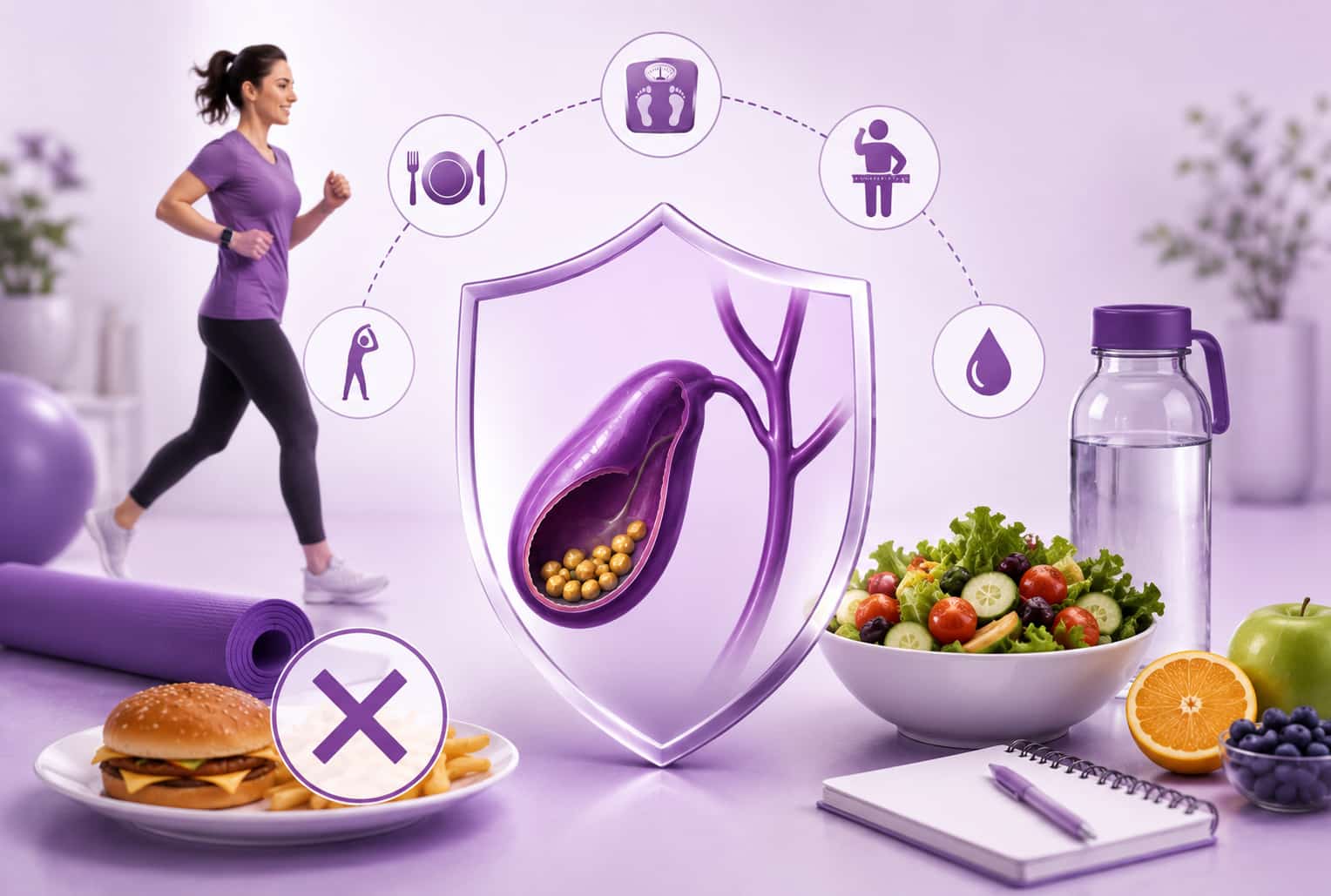
Healthy habits cannot prevent every case, but they may reduce the risk of developing gallstones Regular and balanced meals, maintaining a healthy weight, and avoiding rapid weight loss can all help to reduce the risk of developing stones. Moreover, some patients are genetically predisposed to developing stones, and there's little they can do to prevent them, except manage their symptoms effectively. However, some patients have noticed fewer attacks when they avoid the food that triggers gallbladder attacks.

Frequently Asked Questions

There is a common myth and misconception in society that gallbladder stones can go away on their own without any intervention. Sometimes the gallstones may move, but it only causes a blockage in the duct.

No, Silent gallstones that do not cause symptoms may not require surgery. Hence, surgery is only recommended for symptomatic gallbladder stones, especially when the stones cause repeated pain, inflammation, infection, jaundice, pancreatitis, or bile duct obstruction.

Studies have shown that fatty foods, foods high in cholesterol, and spicy foods can trigger gallbladder attacks in some individuals because they make the gallbladder contract.

With good hands and Laproscopic gallbladder removal, it is safe. Moreover, the body can function without a gallbladder, and the risk of complications is very low.