

HBPSP
Stage 4 Liver Cancer Treatment Options: What Patients Need to Know
Introduction
Stage 4 liver cancer represents the most advanced stage of the disease, where receiving a diagnosis comes with a significant challenge. However, several stage 4 liver cancer treatment options can help ease symptoms and prolong survival. Moreover, they affect in a way by managing symptoms, slowing down the progression of cancer, and potentially extending the patient's life. While stage 4 liver cancer treatment remains challenging, it's essential to understand the available options.
Understanding the stage 4 liver cancer treatment options can help patients make informed decisions about their care, improving the informed decision-making process. Moreover, early discussion with the liver cancer expert can help patients choose the best treatment option that suits their conditions and preferences.

What is Stage 4 Liver Cancer?
This particular stage refers to the last stage of liver cancer, where the cancer has spread beyond the liver and to nearby lymph nodes or other distant organs. At this stage, curative treatments are often not possible, and doctors classify this as an advanced liver cancer stage. Therefore, the treatment norms shift towards palliative care and symptom management for extended survival and improved quality of life. Unlike the early-stage liver cancer treatments, stage 4 liver cancer treatment options do not include liver transplantation, surgical resection, or ablation therapies. Nevertheless, many advanced liver cancer treatment methods can still help manage symptoms and slow down the cancer growth. For more information on early liver cancer treatment options you can study this article.
Goals of Stage 4 Liver Cancer Treatment
The primary goal of stage 4 liver cancer treatment is to control the symptoms and improve the patient's quality of life. In addition, doctors aim to slow down cancer progression and reduce pain. Treatment options for Stage 4 Liver Cancer vary from patient to patient, and it depends on several factors, including
- The extent of cancer spread
- The patient’s age
- Liver function
- Overall health
Immunotherapy for advanced liver cancer
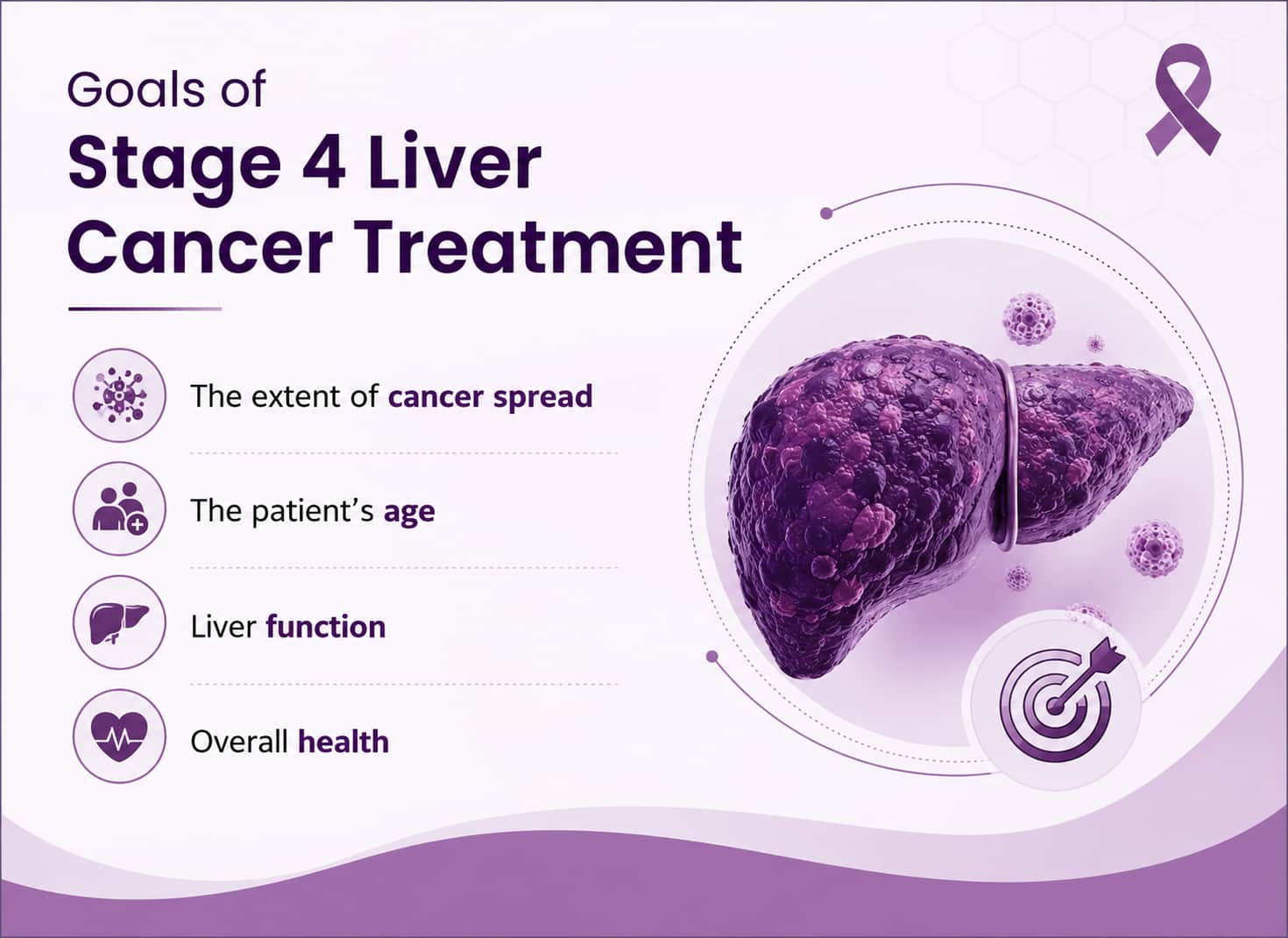
Immunotherapy has transformed advanced liver cancer treatment by harnessing the power of the immune system to fight cancer. Drugs like nivolumab and pembrolizumab have shown promising results in clinical trials. As well as natural WBC stimulation, they help the body recognize and attack cancer. Doctors may recommend immunotherapy alone or in combination with other treatments. Furthermore, some patients may respond better to immunotherapy than others; it all depends on the individual case. For this reason, it is important to discuss the pros and cons of each treatment option with an expert healthcare provider like the HPBSP surgery team. However, for some patients, immunotherapy remains the best stage 4 liver cancer treatment option currently available.
Targeted therapy for Stage 4 Liver Cancer
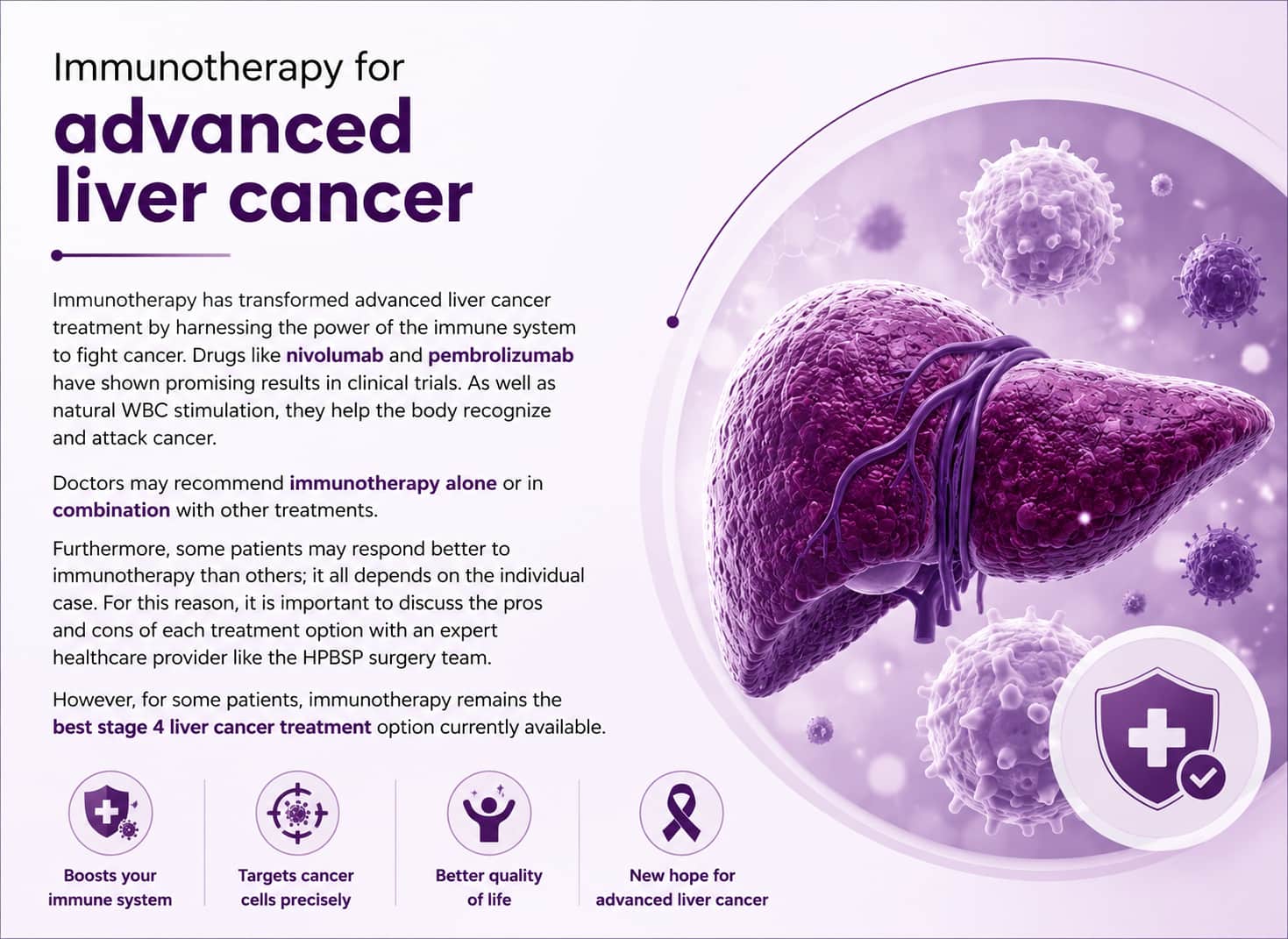
Targeted therapies focus on specific molecules involved in cancer growth and control their activity. Unlike traditional chemotherapy, targeted therapies have fewer side effects and are more effective. Drugs like sorafenib and regorafenib are commonly used for advanced liver cancer treatment. Consequently, patients may experience slower cancer progression and longer survival periods. Many specialists consider targeted therapy as one of the best treatment options for stage 4 liver cancer treatment strategies.
Chemotherapy for the last stage Liver cancer
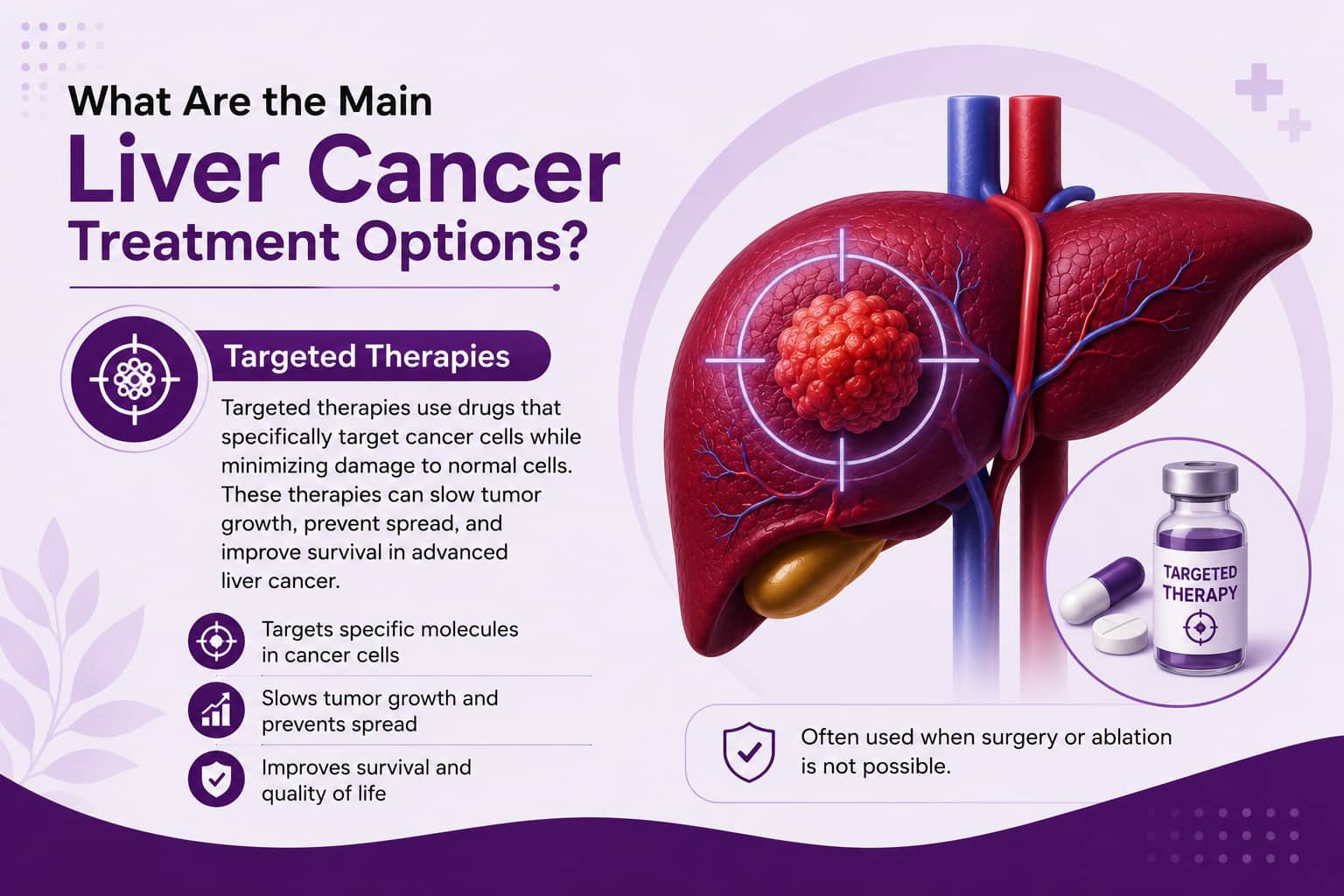
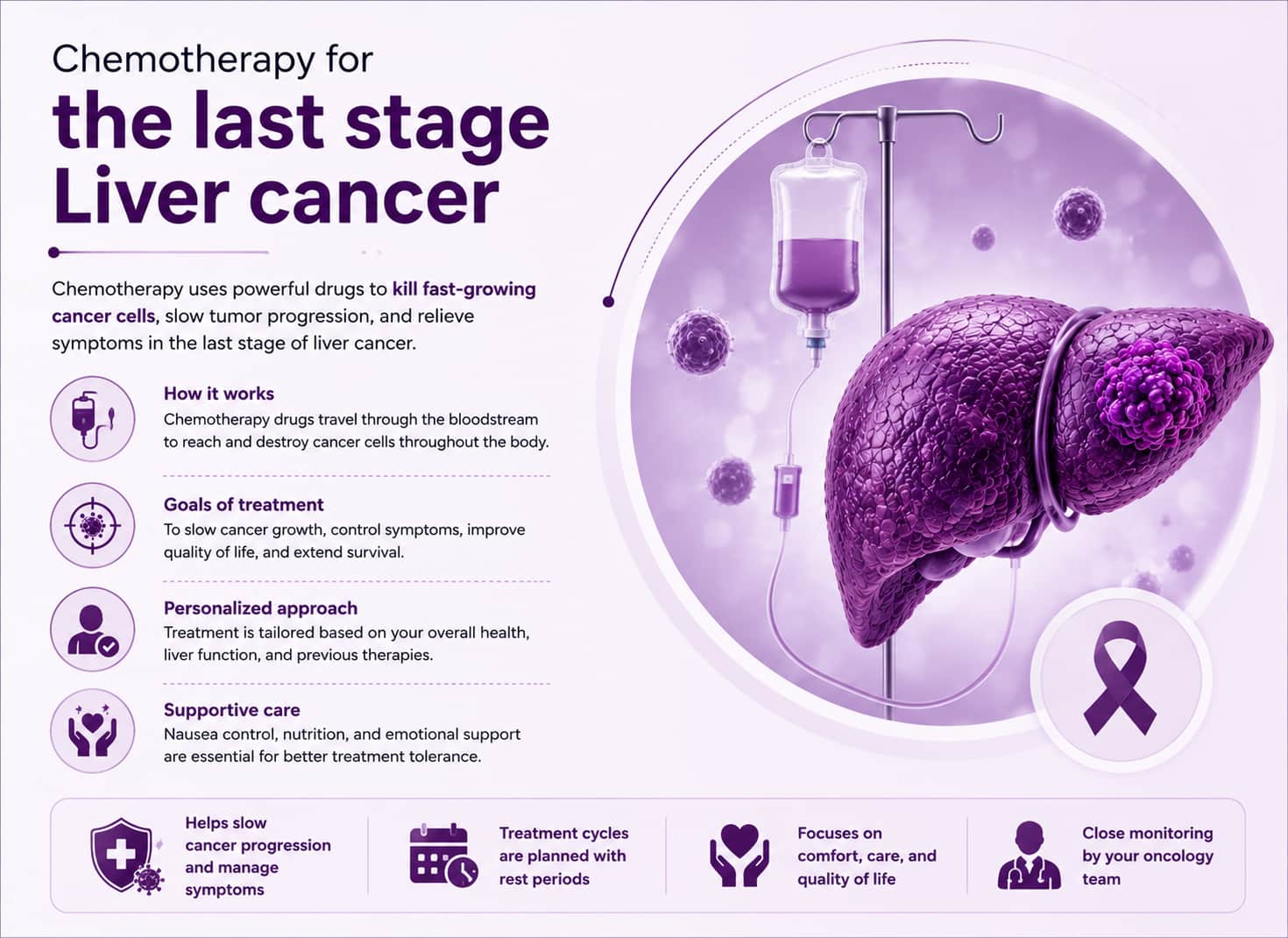
Although targeted and immunotherapy are more commonly recommended for stage 4 liver cancer, chemotherapy remains an option in certain cases. Doctors may recommend chemotherapy alone or in combination with other treatments when they alone can not do the work. When discussing liver cancer treatment last stage, patients must understand that potential benefits come with side effects before proceeding any further. Therefore, treatment options remain highly personalized and depend on various factors discussed above.
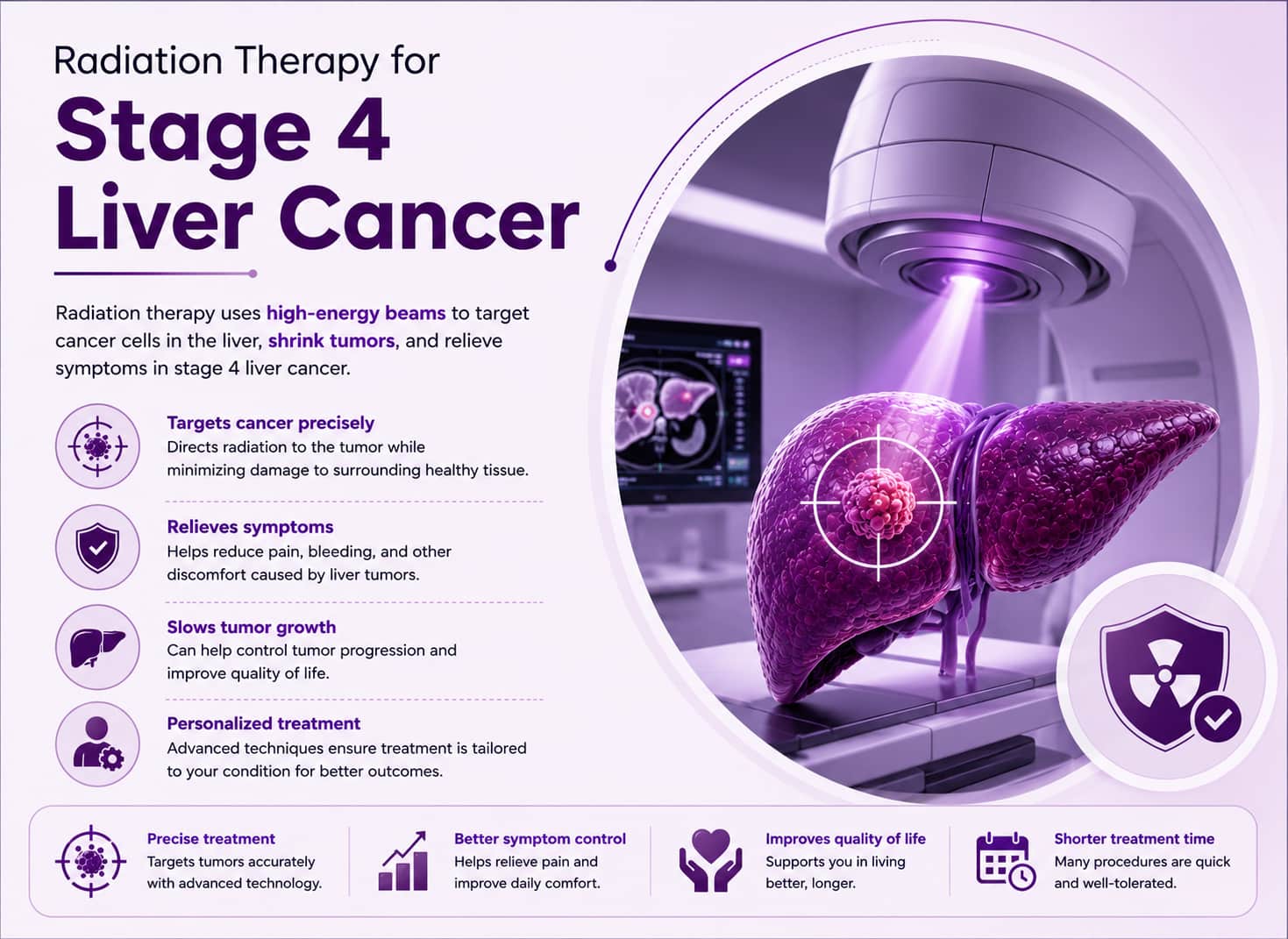
Radiation Therapy for Stage 4 Liver Cancer
Radiation therapy uses high-energy beams to destroy cancer cells. For stage 4 liver cancer, external beam radiation can provide palliative care, alleviating pain and discomfort related to cancer. However, it does not cure the disease on its own. In some cases, radiation complements other stage 4 liver cancer treatment options like chemotherapy and targeted therapy. As a result, patients achieve better outcomes and improved daily lives. However, the effectiveness of radiation therapy varies depending on the extent of the cancer spread and the overall health.
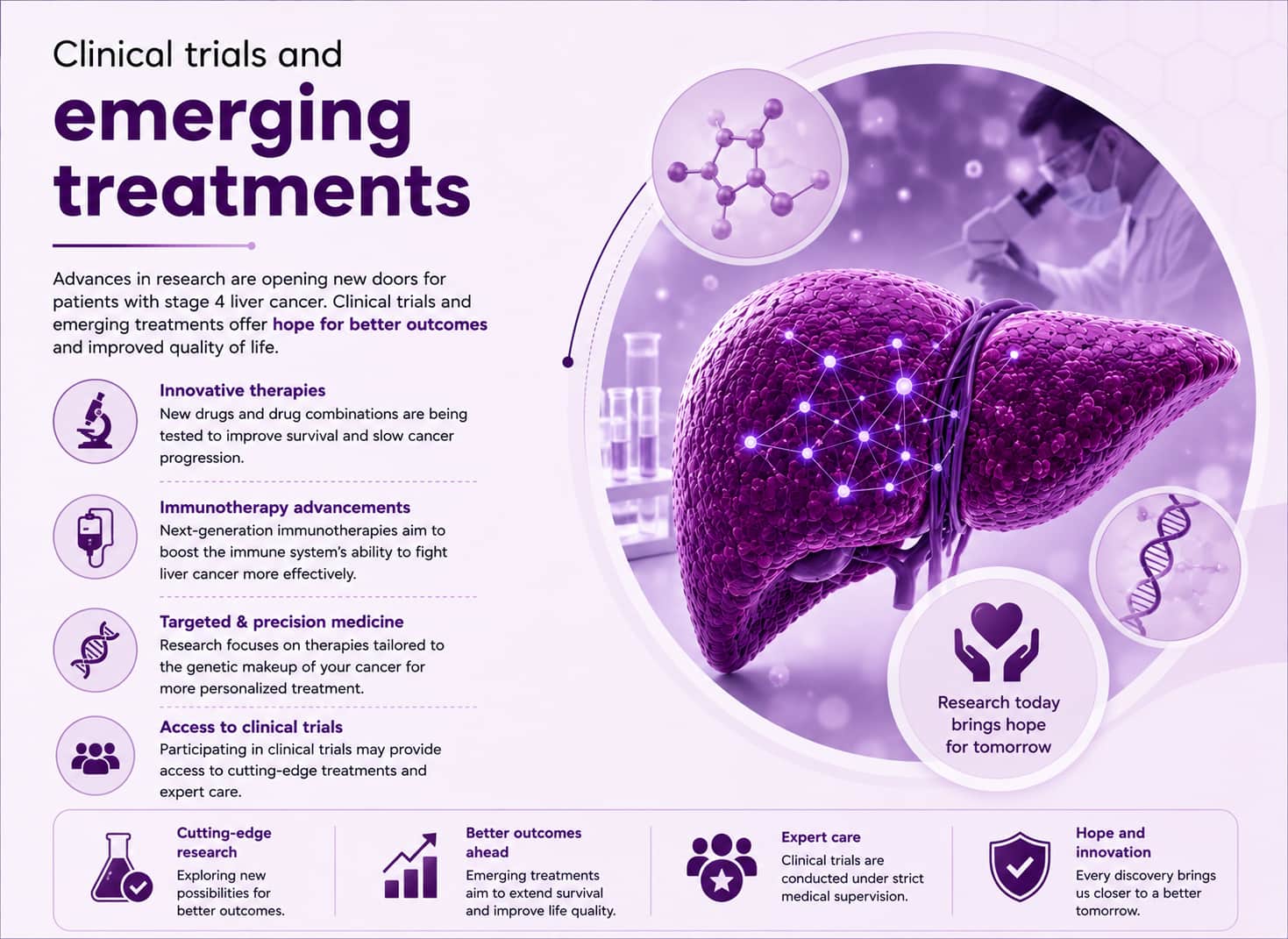
Clinical trials and emerging treatments
Clinical trials continue to expand the range of options for advanced liver cancer treatment possibilities. Researchers are exploring new medications, immunotherapies, and combinations of treatments to improve outcomes for patients. Participation in a clinical trial can provide access to innovative treatments that may not be widely available yet. Therefore, we recommend discussing the potential benefits and risks of clinical trials with your healthcare provider and oncology teams.
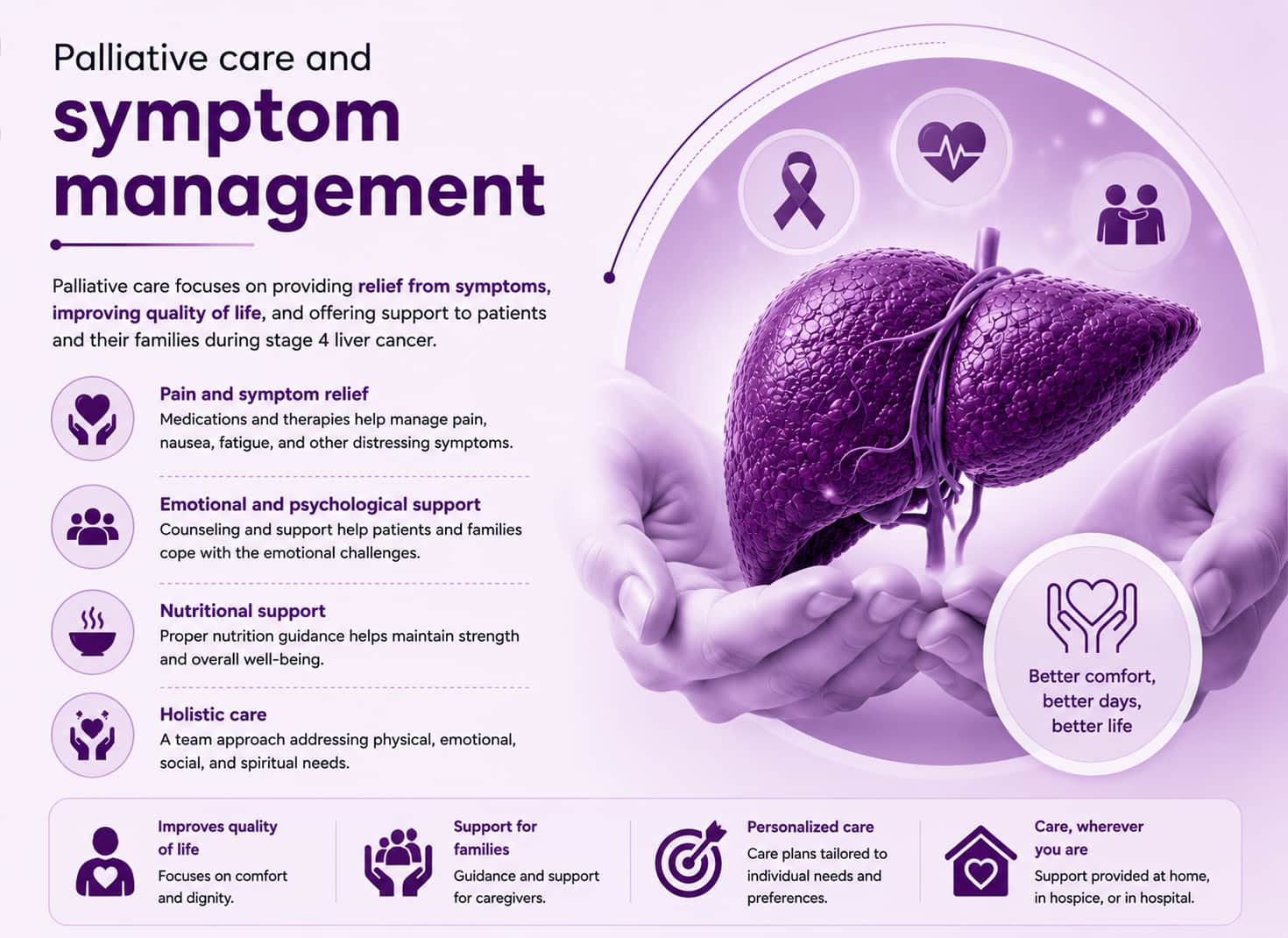
Palliative care and symptom management
Palliative care remains an essential part of liver cancer treatment, focusing on improving the quality of life and overall well-being of patients. This type of care addresses physical, emotional, and psychological symptoms associated with the disease and its treatment. Due to abnormal hormonal changes and nutritional deficiencies, patients become weak and fatigued and do not think properly. Depression is a leading factor in liver cancer patients in advanced stages. Therefore, palliative care plays a crucial role in managing these symptoms. It does not necessarily mean that palliative care is only for end-of-life it is a supporting mechanism, along with other therapies and treatments.
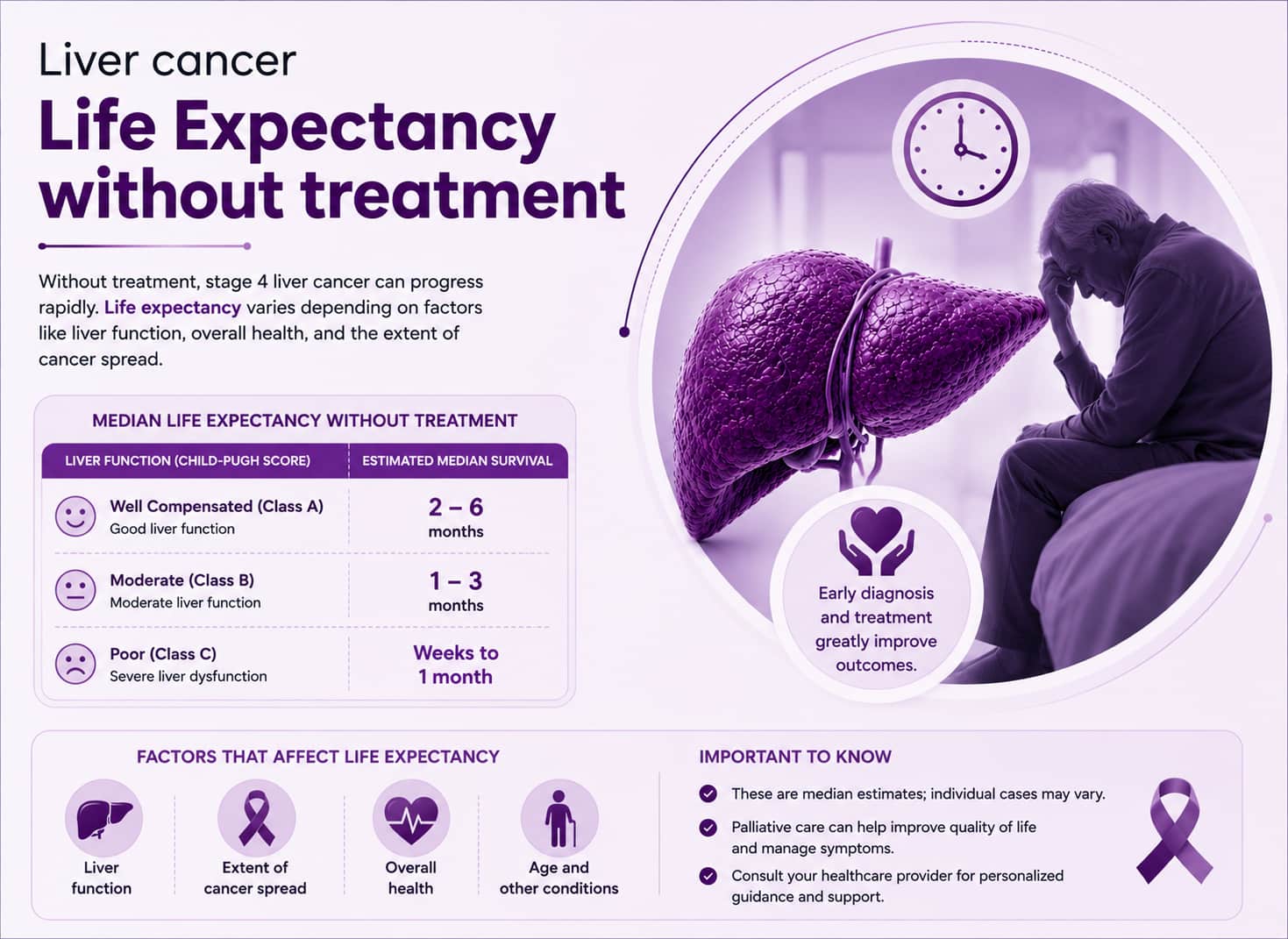
Liver cancer Life Expectancy without treatment
Questions about the liver cancer life expectancy without treatment are common among patients and their families. Unfortunately, without treatment, liver cancer can progress rapidly and lead to a poor prognosis. Understanding liver cancer life expectancy without treatment can help patients and their families make informed decisions. However, it's important to note that life expectancy can vary depending on the stage of the cancer, treatment must be provided as early as possible.
Frequently Asked Questions
The best stage 4 liver cancer treatment depends on the patient's health condition, the size and location of the tumor, and the overall prognosis. Immunotherapy and targeted therapy remain the best treatment options in many cases.
A complete cure at the last stage of liver cancer is rare, but treatments can improve the quality of life and extend survival. The focus is on managing symptoms and providing the best possible care.
The life expectancy for stage 4 liver cancer without treatment is generally poor, with an average survival rate of around 6 months to a year. However, treatment approaches can extend survival and improve quality of life significantly. There is no one-size-fits-all answer, but hope through clinical trials and advancements in medicine continues to rise.