HBPSP

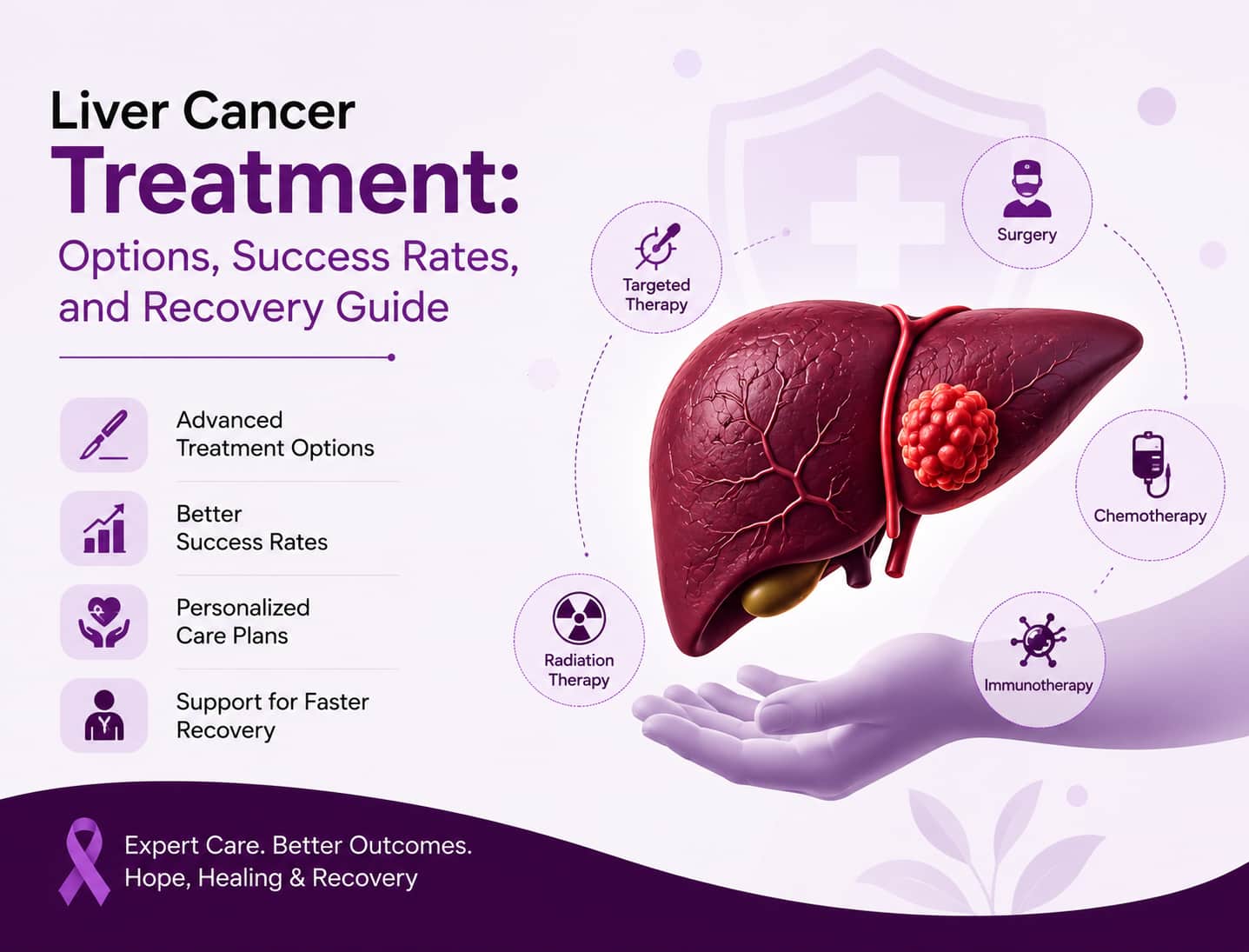
Liver Cancer Treatment: Options, Success Rates, and Recovery Guide

Liver cancer serves as one of the most challenging medical conditions that affects the daily life of patients. Fortunately, with the advancement in the fields of medication and surgery, outcomes for many patients have improved. In the present era, several liver cancer treatment approaches, ranging from surgery and transplantation to targeted therapies and immunotherapies, have increased the quality of life of patients.

However, there is no ranking of the most effective procedure. Liver cancer treatment depends on the cancer stage and the patient's condition. Moreover, the most effective treatment procedure depends upon several factors.

  • Firstly, the stage of cancer determines the spread of the cancer.
  • Secondly, tumor size affects the surgical procedure.
  • Lastly, patient health, some patients are so weak that it narrows down the treatment options.
Therefore, understanding the treatment options available can help patients and their families know why the specific procedure works best for the patient.

Liver Cancer Treatment

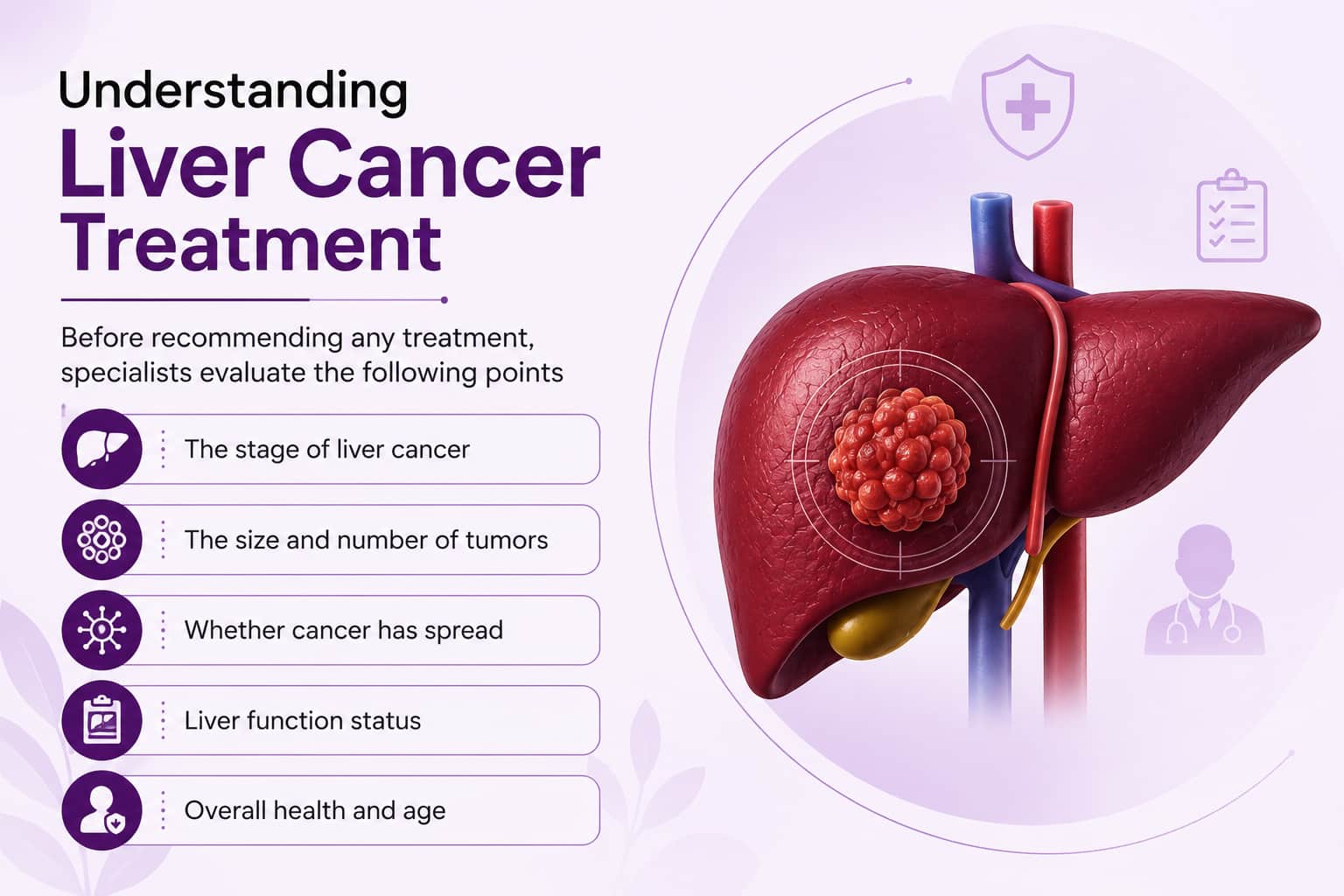
Before recommending any treatment, specialists evaluate the following points

  • The stage of liver cancer
  • The size and number of tumors
  • Whether cancer has spread
  • Liver function status
  • Overall health and age

As a result, patients get their own personalized treatment, which involves one treatment or a combination of therapies. The goal may also vary in some cases; doctors try to cure the disease and improve the quality of life, or, in later stages, to control the growth of the cancer.

What Are the Main Liver Cancer Treatment Options?

Several liver cancer treatment options are available today in the field of medication. The treatment goals serve different purposes, as some treatments aim to remove the cancer completely, while other focuses on the spread and control of disease progression.

surgery

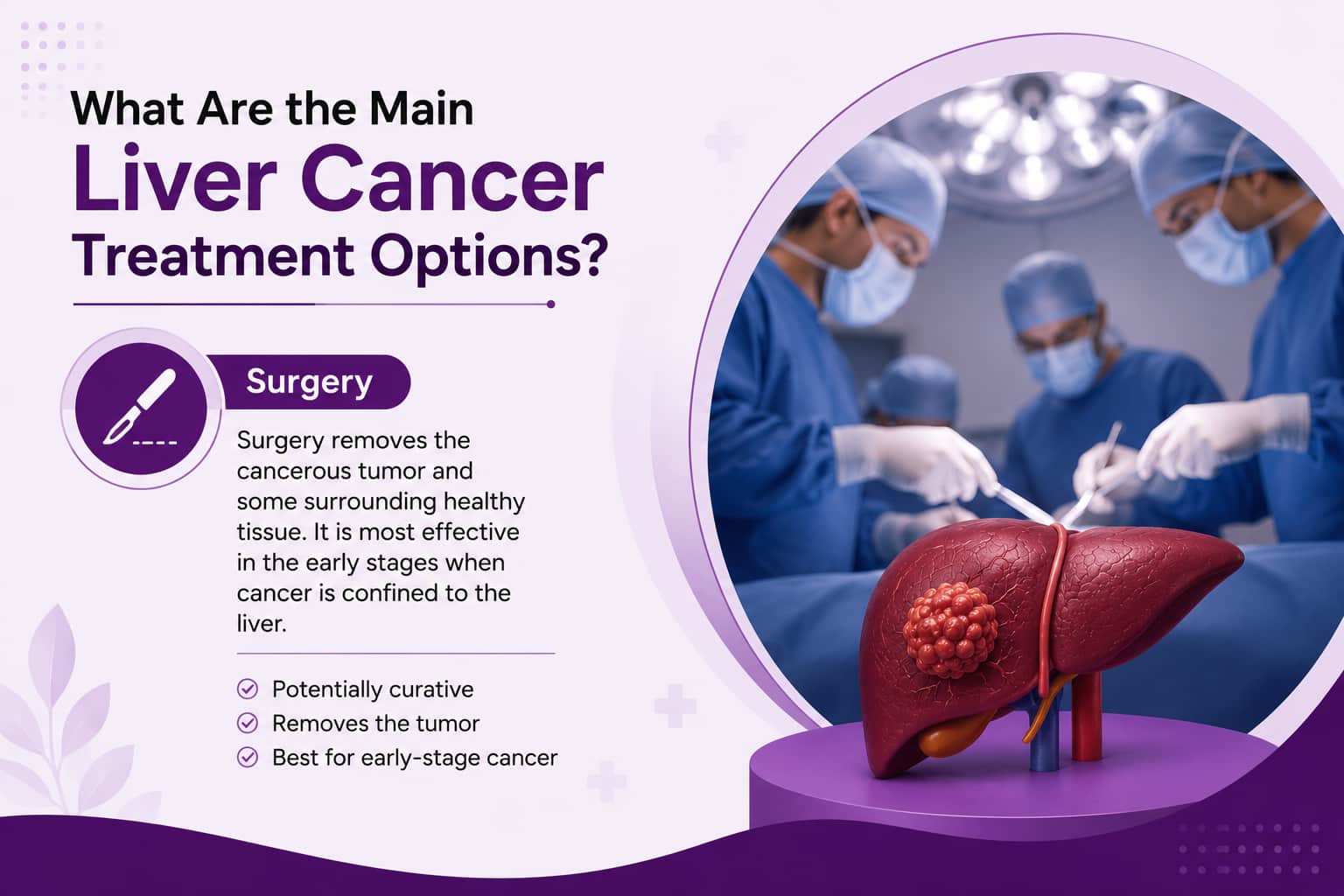
Surgery remains one of the most effective and first treatment that doctors focuses on for the eligible patients. During a liver resection, surgeons carefully remove all the cancerous parts of the liver along with some of the healthy liver tissue to make sure no cancer cells remain unattended, while preserving the healthy tissue as much as possible. This doesnot effect the life of the patient.Because the liver can regenerate. As a result, many patients return to their normal liver function after the surgery. Liver transplantation may be recommended. This procedure involves removing the cancerous liver completely and replacing it with a healthy donor liver. For a detailed discussion on surgical techniques used by doctors, you can navigate to the guide on advanced liver cancer procedures.

surgery

Ablation Therapies

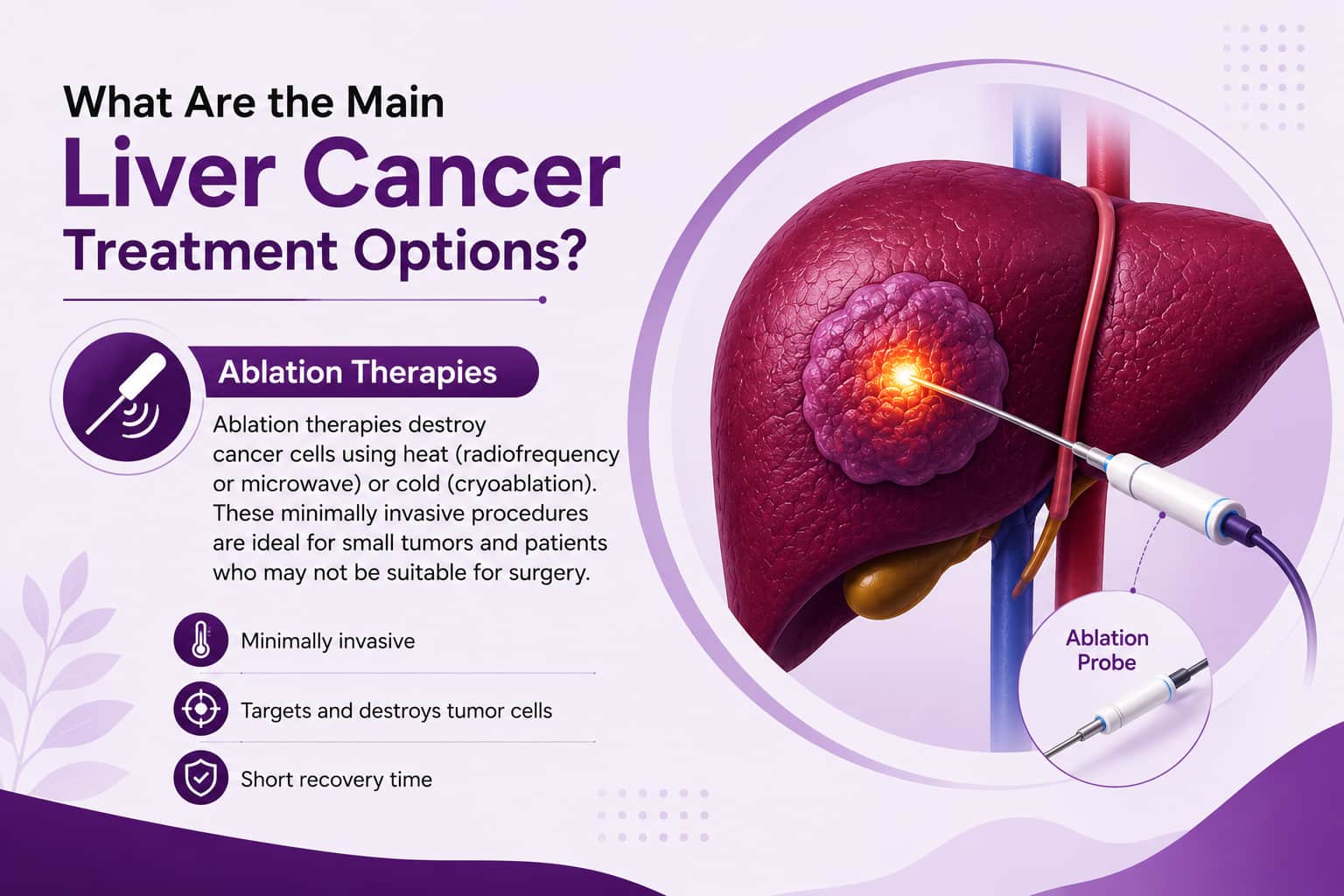
This procedure destroys the cancer cells without removing them surgically. Therefore, this treatment remains a golden choice for treating small tumors. Common techniques include:

  • Radiofrequency ablation (RFA)
  • Microwave ablation (MWA)
These procedures fall under the category of minimally invasive, and doctors often select a few patients depending on the case study.

Ablation Therapies

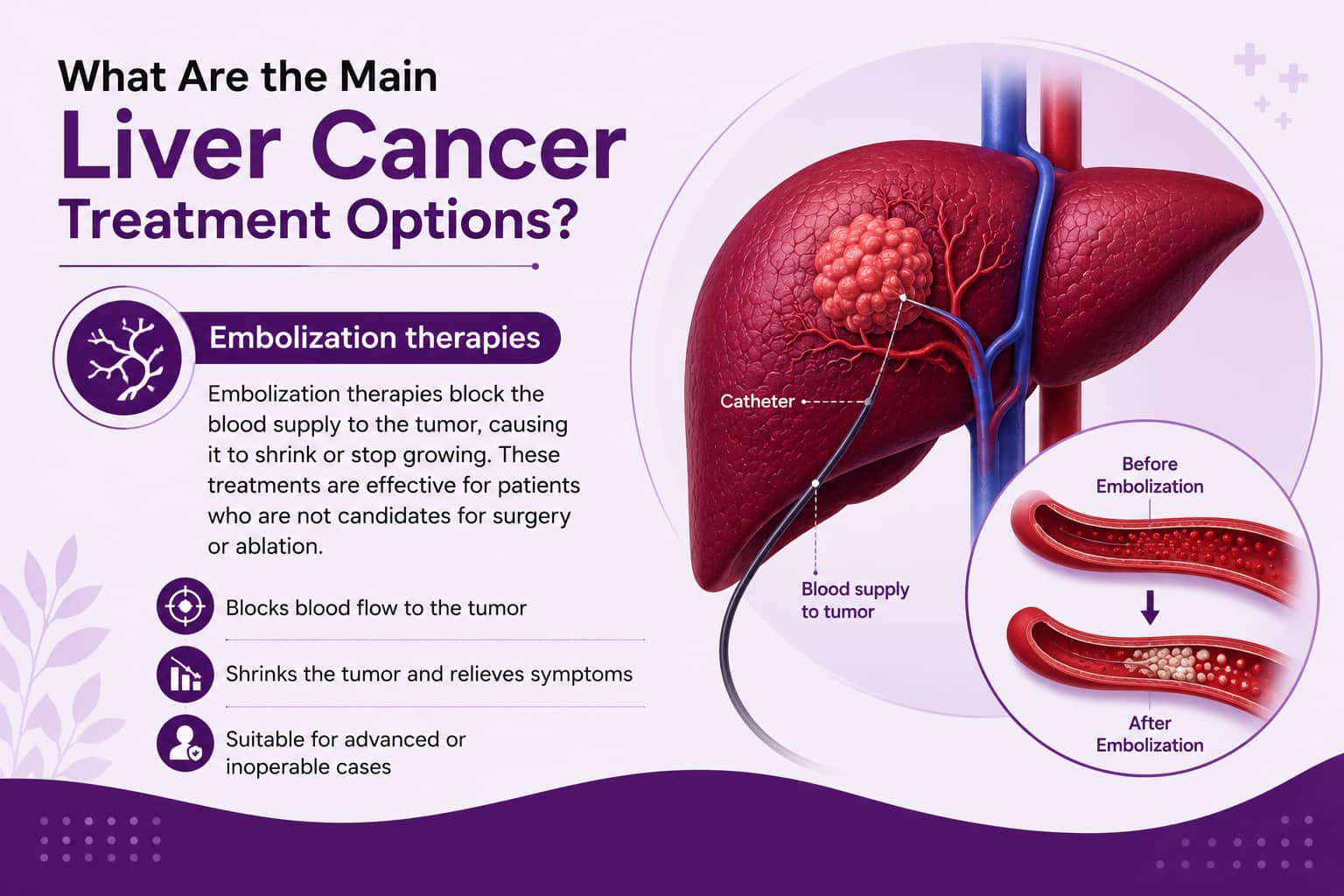
Embolization therapies

When the surgery is not suitable for a patient, doctors often recommend an entirely different approach called embolization treatments.

  • Transarterial chemoembolization (TACE)
  • Transarterial radioembolization (TARE)
  • Yttrium-90 (Y-90) therapy
In a bird's-eye view, these procedures target tumors directly while preserving the healthy liver tissue. For more information, you can proceed to our advanced liver cancer article.

Embolization therapies

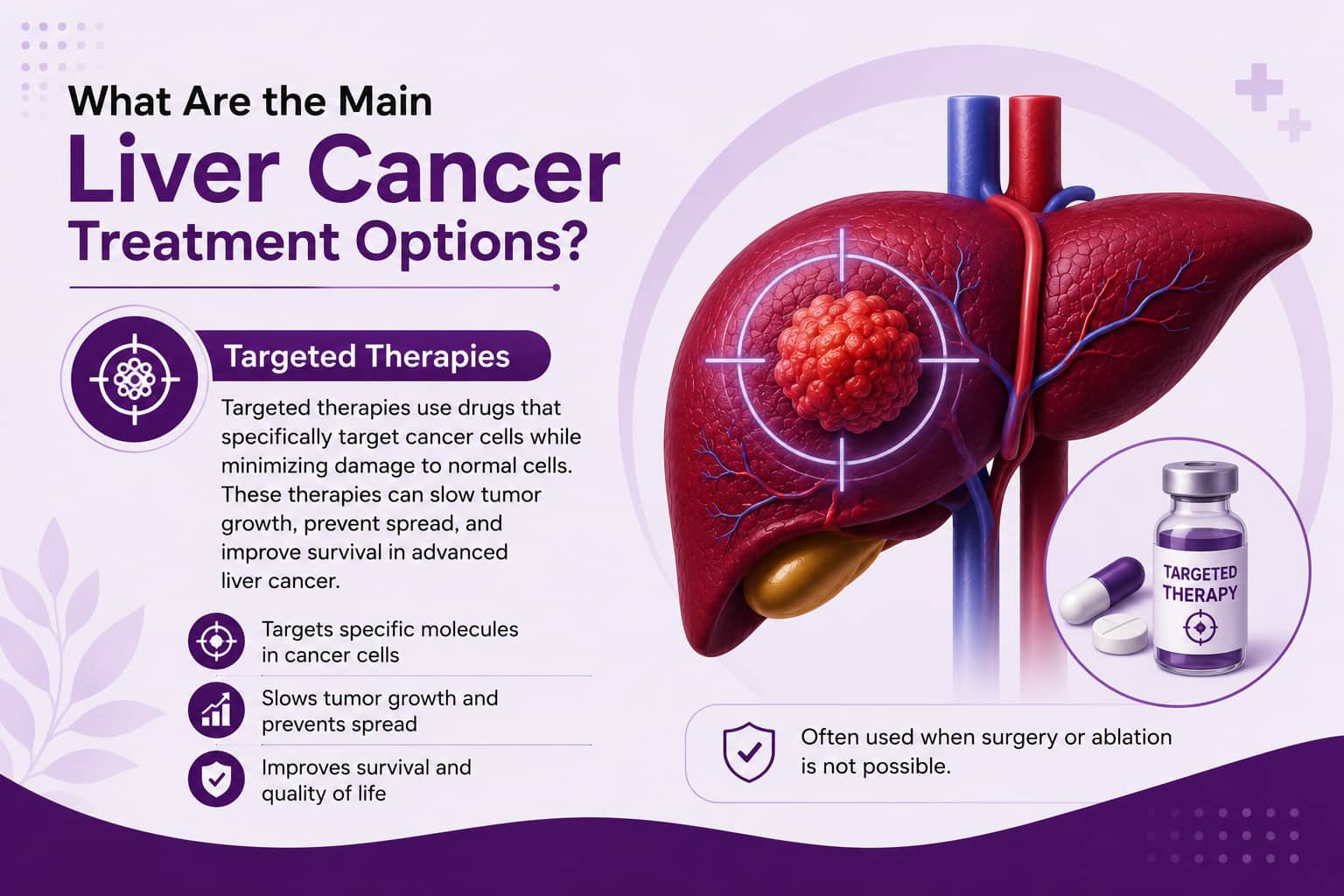
Targeted Therapies

Targeted therapies, as the name suggests, refer to the attack on specific cancer pathways that were involved in the growth of the tumor. This should not be merged with the chemotherapy as these treatements focuses on cancer-related mechanisms. Consequently, these therapies offer benefits for patients with advanced medical diseases

Targeted Therapies

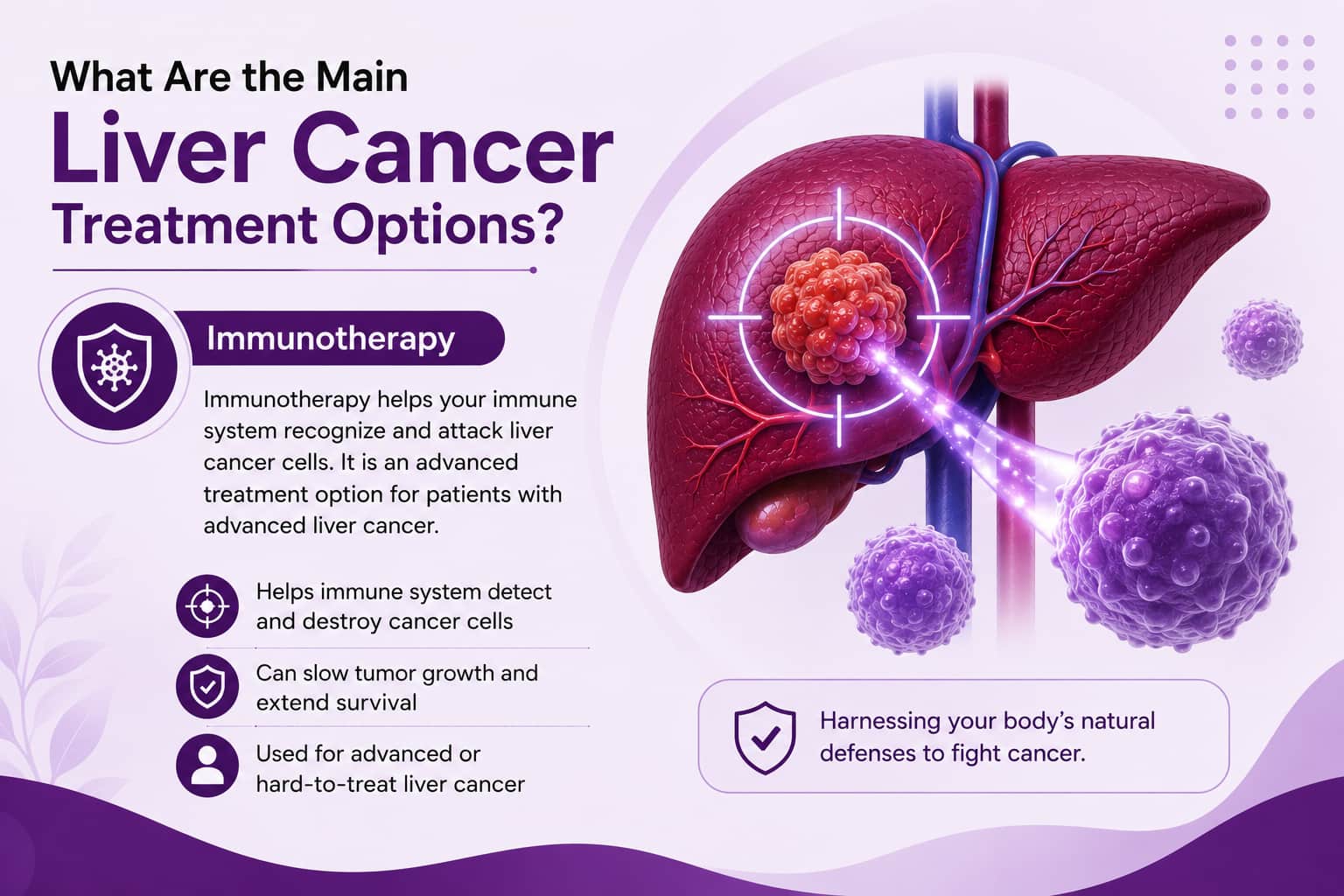
Immunotherapy

Immunotherapy refers to increasing the natural immune power of the patient's body, sometimes by increasing the amount of white blood cells that are involved in the cancer-fighting activities. Moreover, this treatment has become an important liver cancer treatment strategy, especially for advanced-stage cancer, where doctors can’t find a way to attack the liver cancer cells.

Immunotherapy

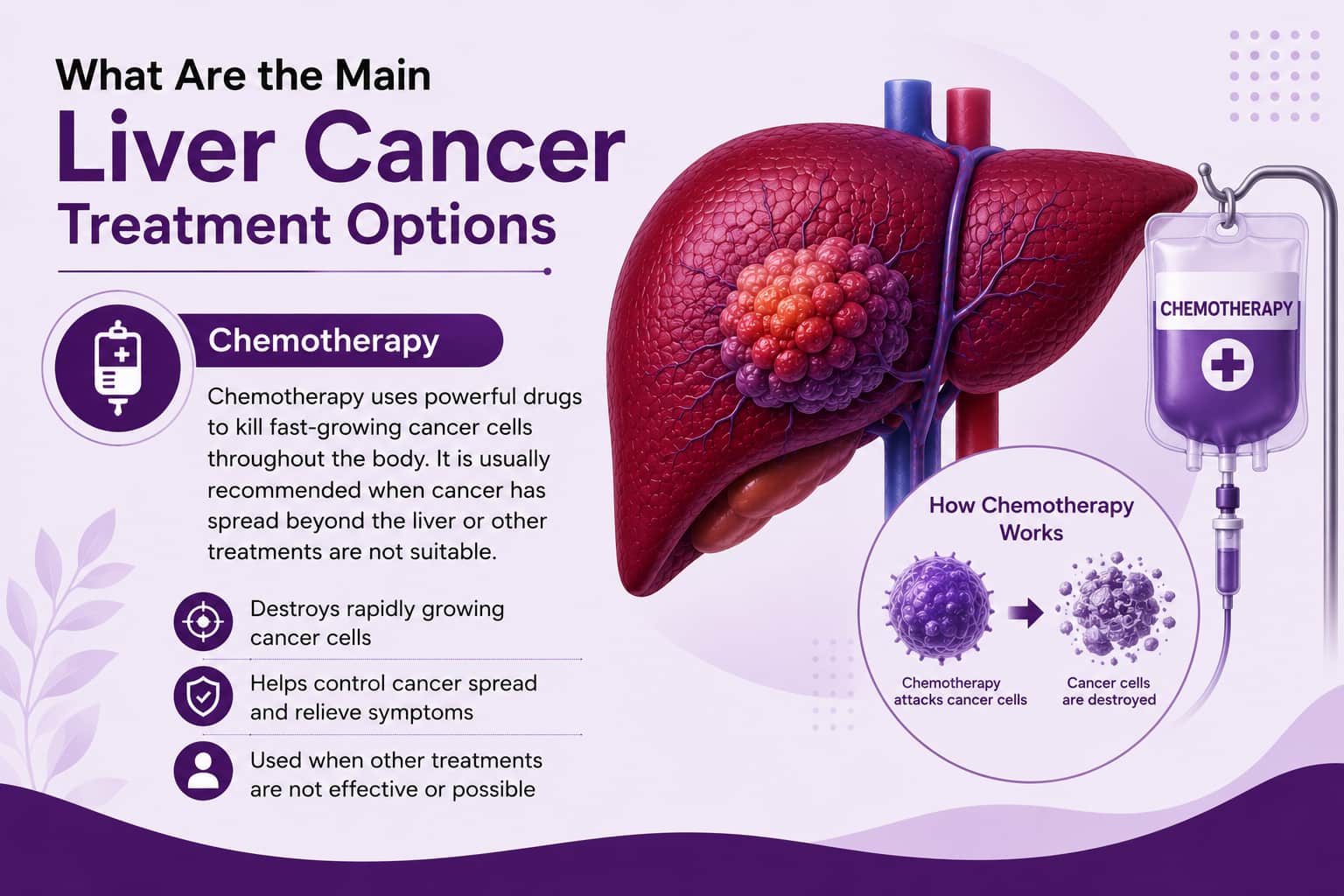
Chemotherapy

Chemotherapy plays a vital role in late-stage cancer, and its role in primary liver cancer is minimal. However, it serves as the greatest and most widely known procedure where targeted drugs destroy the liver cancer cells. For more information, we invite you to visit our guide on liver cancer medicines and non surgical treatments.

Chemotherapy

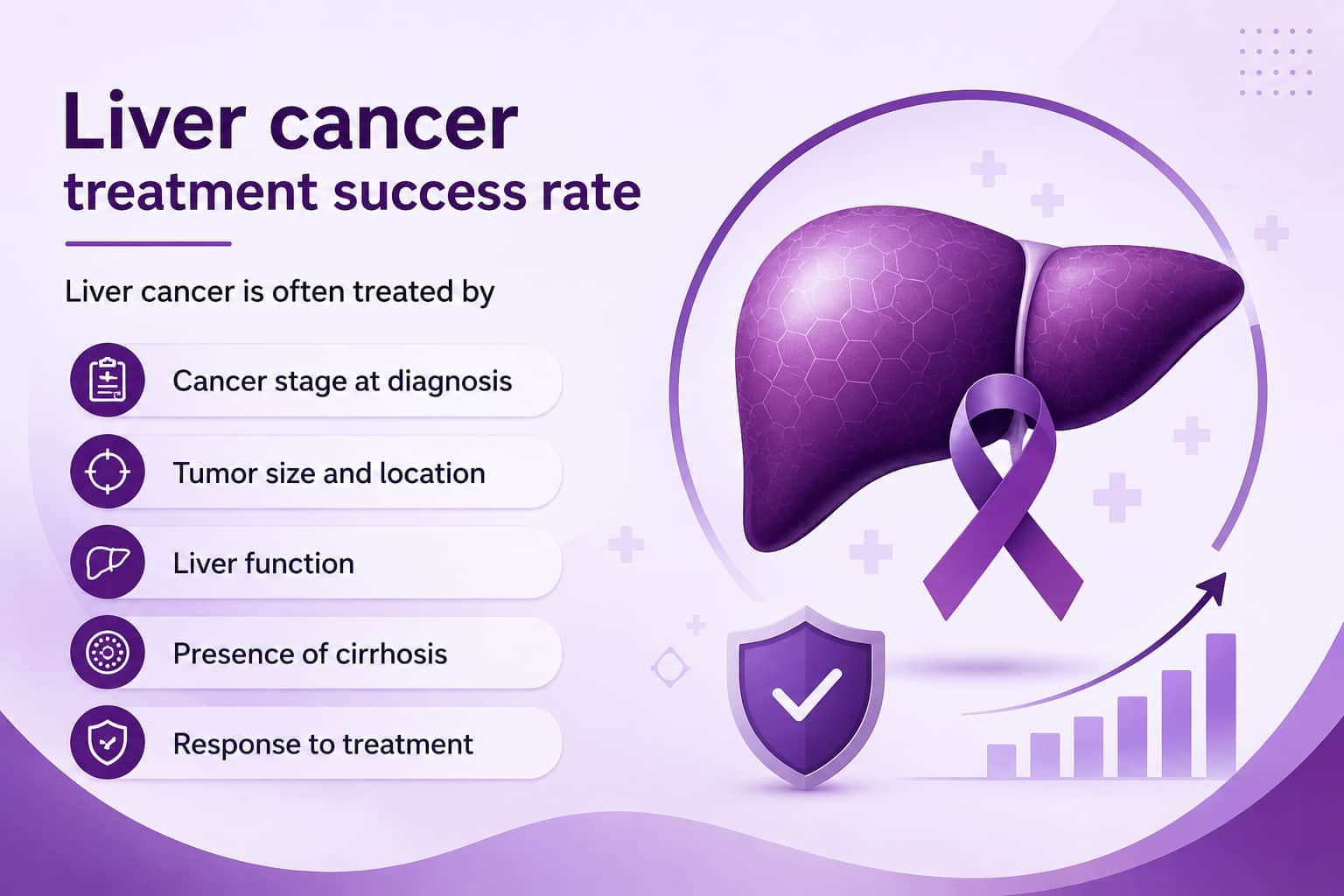
Liver cancer is often treated by

  • Cancer stage at diagnosis
  • Tumor size and location
  • Liver function
  • Presence of cirrhosis
  • Response to treatment

Generally, patients diagnosed during early stages have better outcomes than those treated in later stages, as discussed in our liver cancer stages article. Furthermore, advancements in the fields of procedures such as transplantation, targeted therapies, and immunotherapies have significantly increased the survival rate for patients. The point that every patient should know is that this disease serves like a tree with many complications, so we advise you to discuss the individual prognosis with the respected doctor.

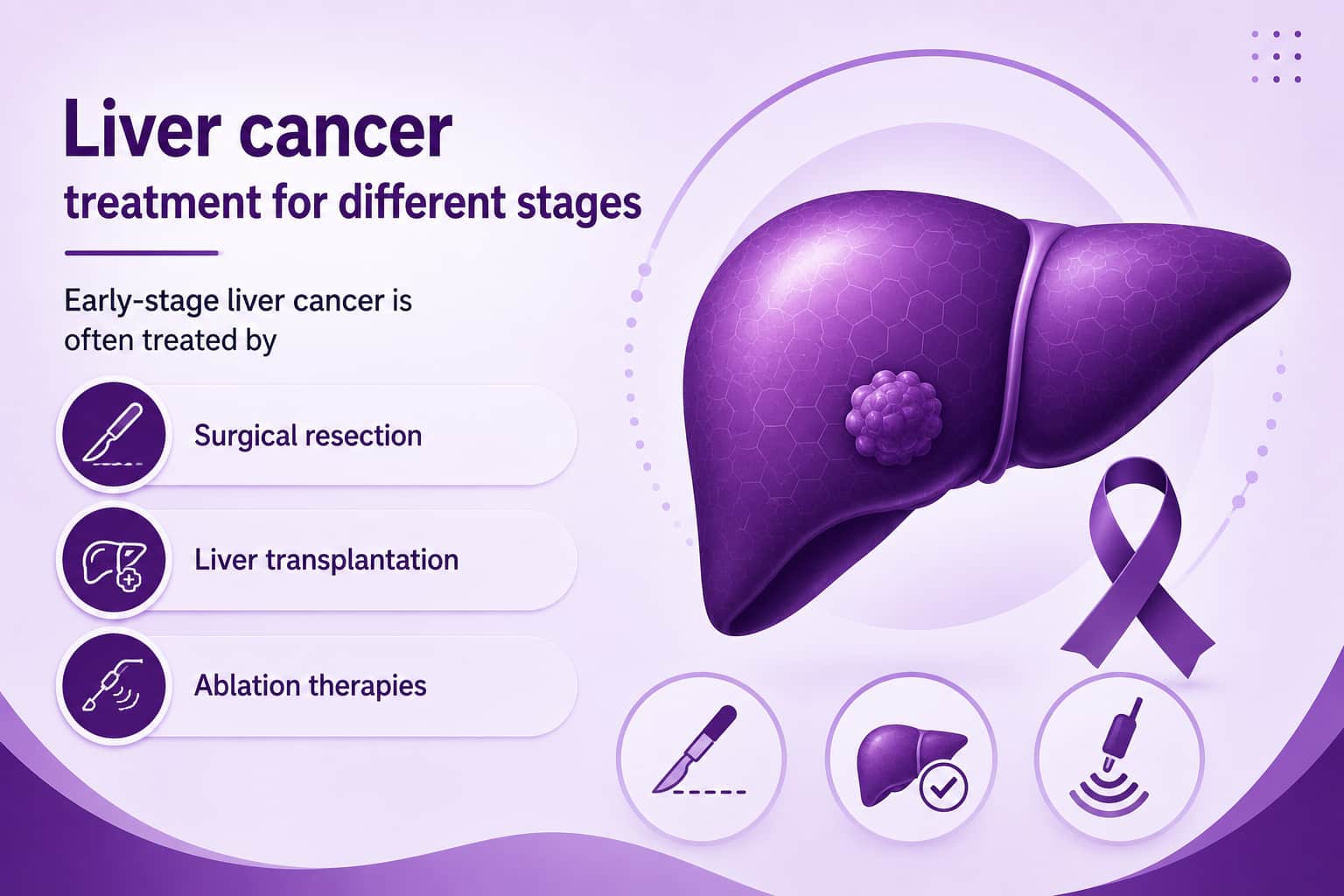
Early-stage liver cancer is often treated by

  • Surgical resection
  • Liver transplantation
  • Ablation therapies

In conclusion, these techniques are best suited because tumours in early stages are small and localized, hence these options remain the best suited. You can get more details in our article on HCC liver cancer treatment here.

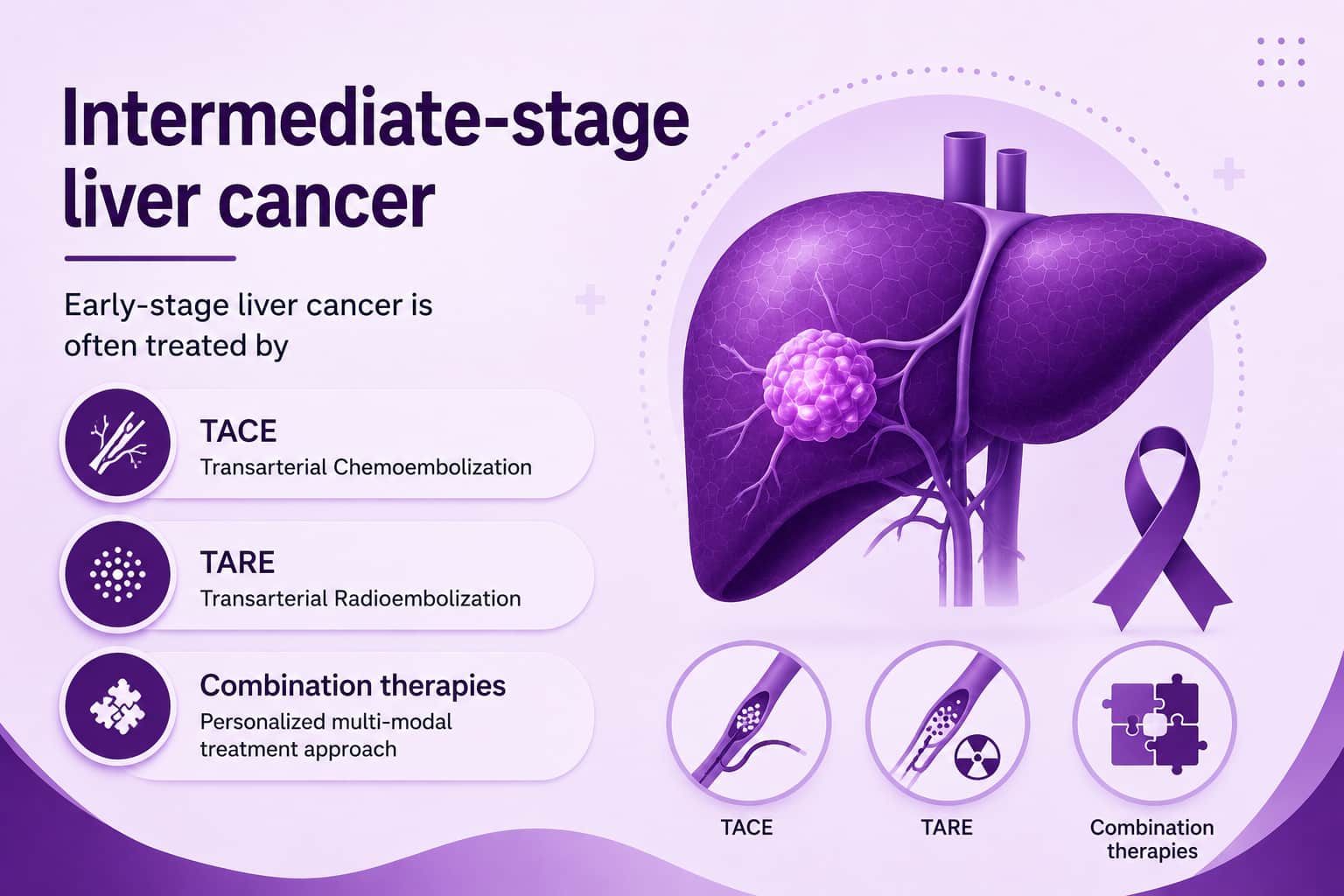
Early-stage liver cancer is often treated by

  • TACE
  • TARE
  • Combination therapies

These treatment options help control the disease growth and preserve liver function. For more in-depth research, consider reading our article on secondary liver cancer treatment.

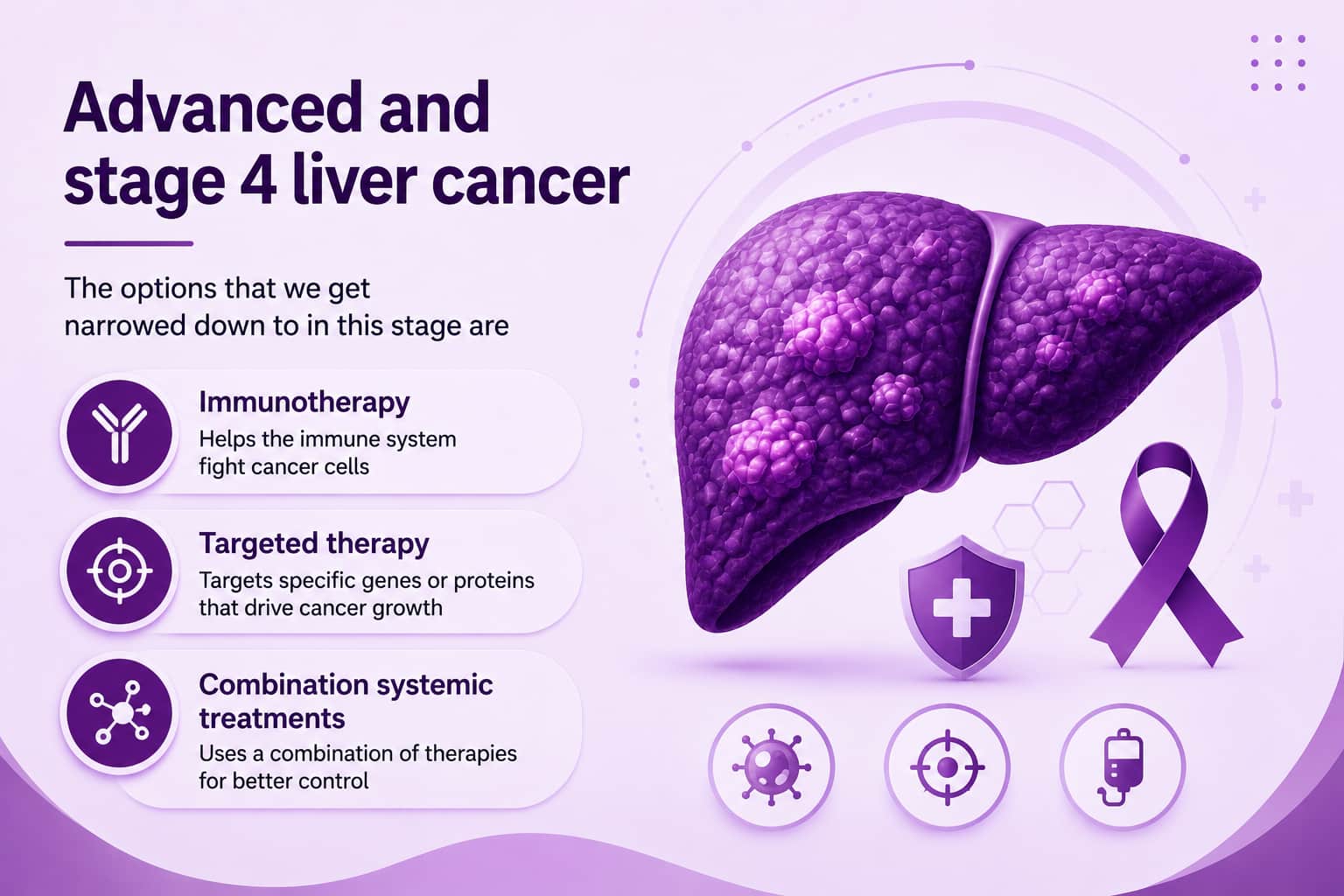
The options that we get narrowed down to in this stage are

  • Immunotherapy
  • Targeted therapy
  • Combination systemic treatments

You can learn more about our guide on stage 4 liver cancer treatment here.

Frequently Asked Questions

The answer to this question hides behind certain curtains, usually depending upon the stage of liver cancer. When liver cancer is detected early, curative treatments involving surgery and transplantation remove the traces of cancer. Therefore, the key under discussion is the time it takes to be diagnosed. The doctor's efforts here lead to the best success rate. However, advanced-stage liver cancer is often more difficult to cure completely. In these cases, the entire focus of the doctors shifts towards controlling the spread of the disease and increasing the survival years of the patients and the quality of life. So, is liver cancer curable? In many early detected cases, yes. But, with late diagnosis and the last stage, it comes down to significantly lower success rates, and it is not completely curable. However, the patient's condition and history affect the survival chances by a big factor.

Modern advancements in the field of medication offer several advanced procedures that improve the treatment outcomes, some of which are

  • Liver resection
  • Liver transplantation
  • TACE
  • TARE
  • Y-90 therapy
  • Radiofrequency ablation
  • Microwave ablation
These treatment options provide additional liver cancer treatment options for patients who previously had limited choices.