

HBPSP
Liver Cancer Stages & Symptoms Complete Guide to Early Warning Signs
Liver Cancer Stages
Liver cancer stages and symptoms help doctors map out exactly how far the disease has spread. In addition, it also tells us how it affects the body. However, many people ignore the early signs because they seem mild at first, and they only know when the cancer has reached alarming stages. Moreover, early diagnosis improves the recovery chances of the patient and the treatment options.
Additionally, if we diagnose this early can dramatically improve outcomes. In this article, we will cover all of the essential facts, with links provided in each section leading to detailed articles for deeper reading and understanding.
Role of liver and cancer
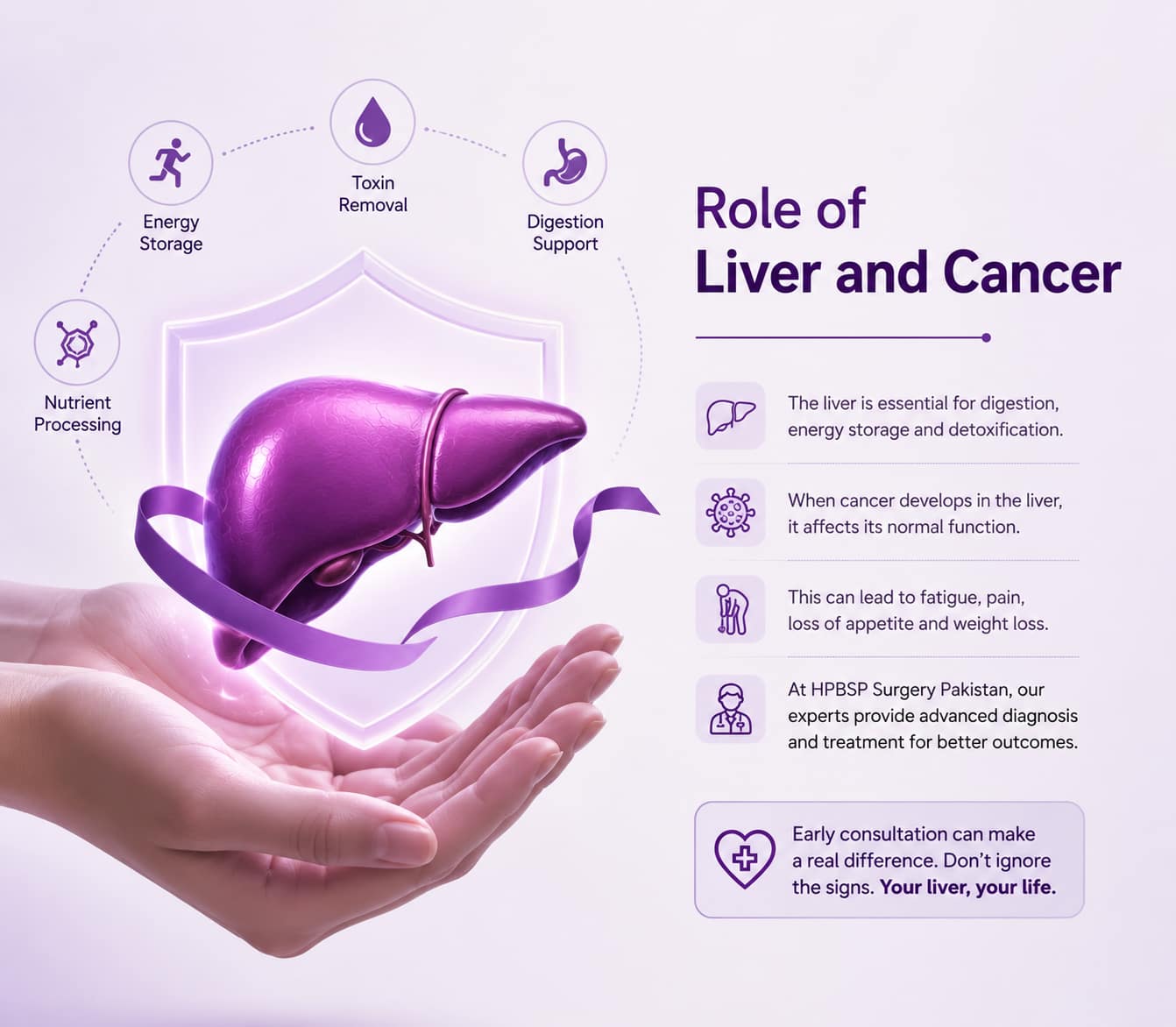
The liver plays a vital role in the body by managing digestion, energy storage, and toxin removal. In addition, when cancer develops in the liver, it affects the functionality of the liver. As a result, patients often complain about fatigue, pain, appetite loss, and weight loss. At HPBSP Surgery Pakistan, specialist doctors provide advanced diagnosis and treatment options. Hence, if you feel any of the signs, you should consult a doctor as early as possible. To read more about the signs and symptoms of liver cancer, you can read this. Moreover, this guide explains liver cancer stages and symptoms, early warning signs, treatment options, and when to seek professional help.
What is liver cancer?
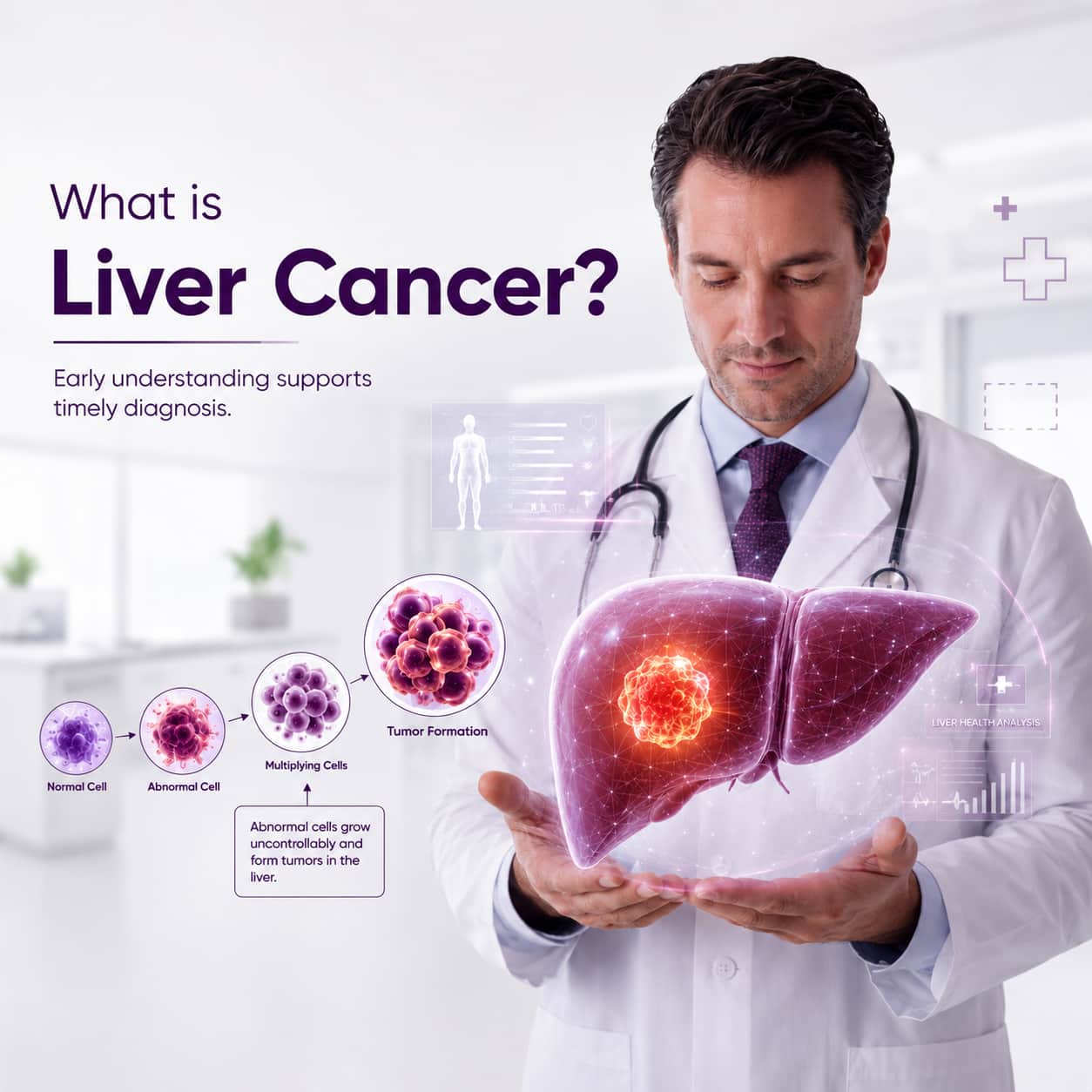
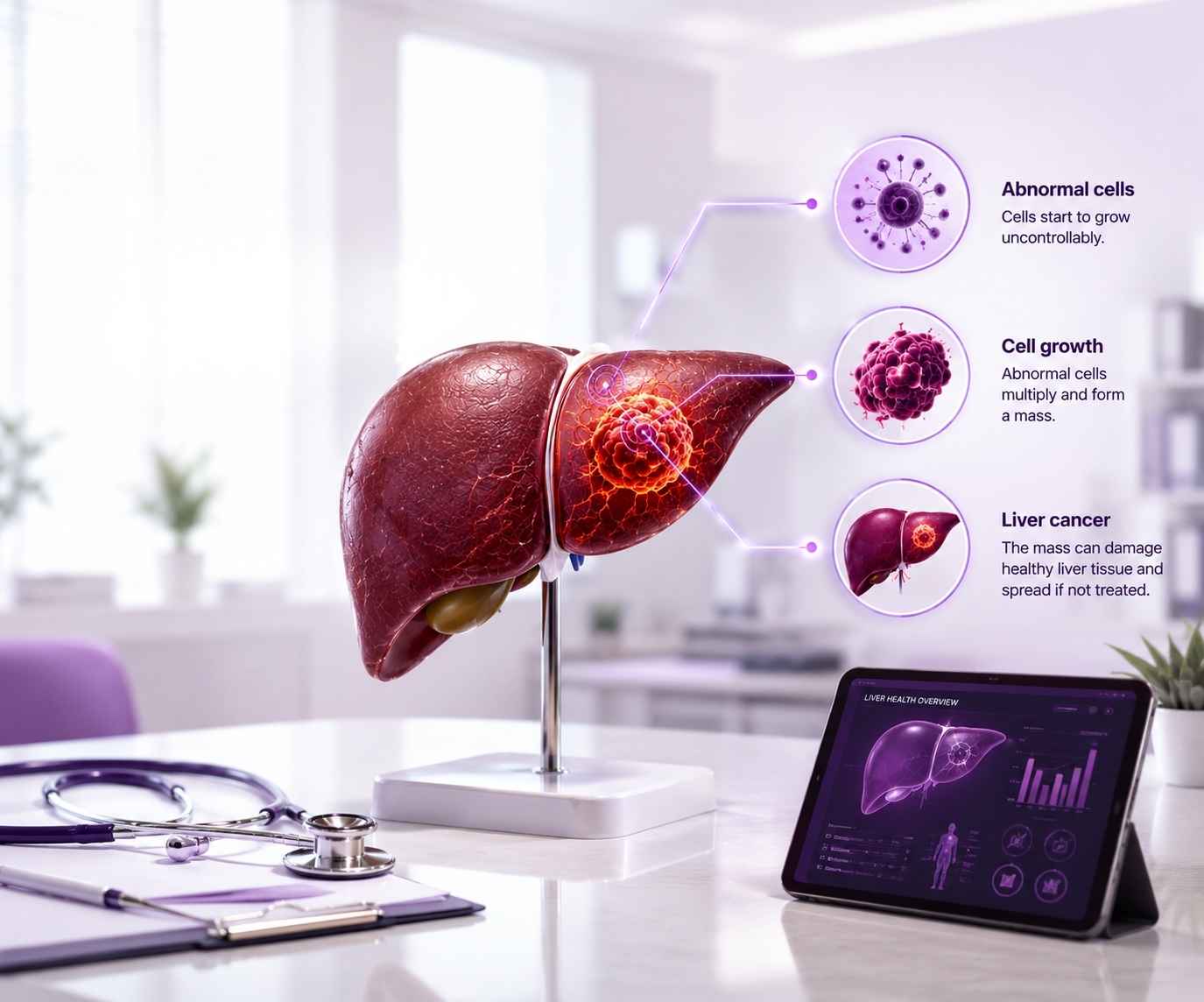
Liver cancer refers to a disease where abnormal cells grow inside the liver. Therefore, the cells multiply uncontrollably and form a lump or tumor. Saying that, the most common type of liver cancer is hepatocellular carcinoma (HCC).
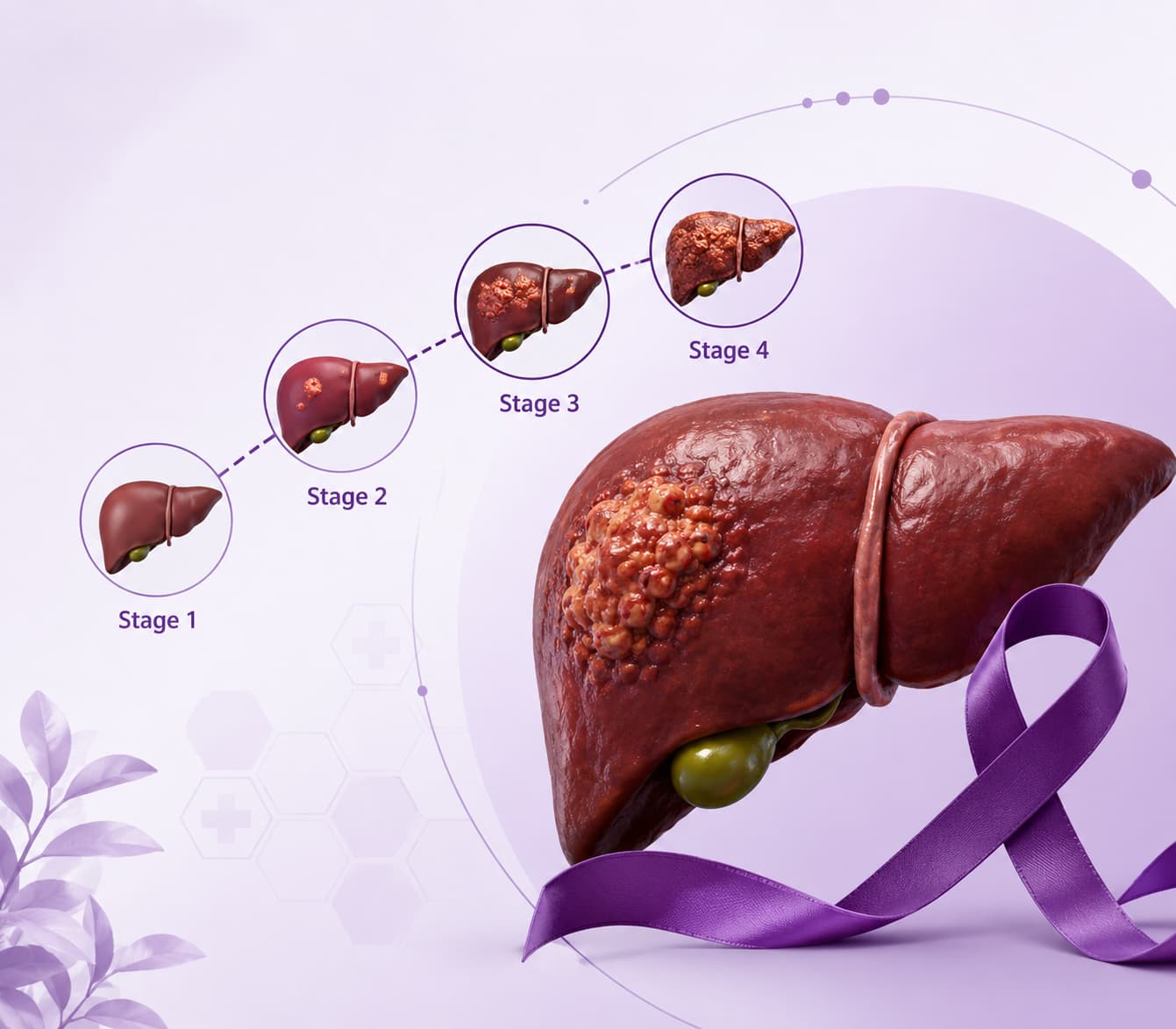
Moreover, doctors divide liver cancer into mainly 4 different stages. Each stage maps out to the size of the tumor and how far the cancer has spread. Hence, understanding liver cancer stages and symptoms helps patients recognize serious early warning signs.
Stage 1 Liver Cancer Symptoms
The first stage of liver cancer is stage 1, where doctors usually find only one tumor inside the liver. In addition, the cancer has not spread to the nearby organs or the blood vessels.
Many patients do not notice any visible change in their bodies at this stage. Everything looks normal, and this makes the diagnosis at this stage much more complex and hard. However, below we have given some warning signs to look for that appear in this stage
Symptoms of Liver Cancer Stage 1
Mild pain in the upper abdomen
Fatigue
Weakness
Reduced appetite
Feeling full after eating small meals
Unexplained weight loss
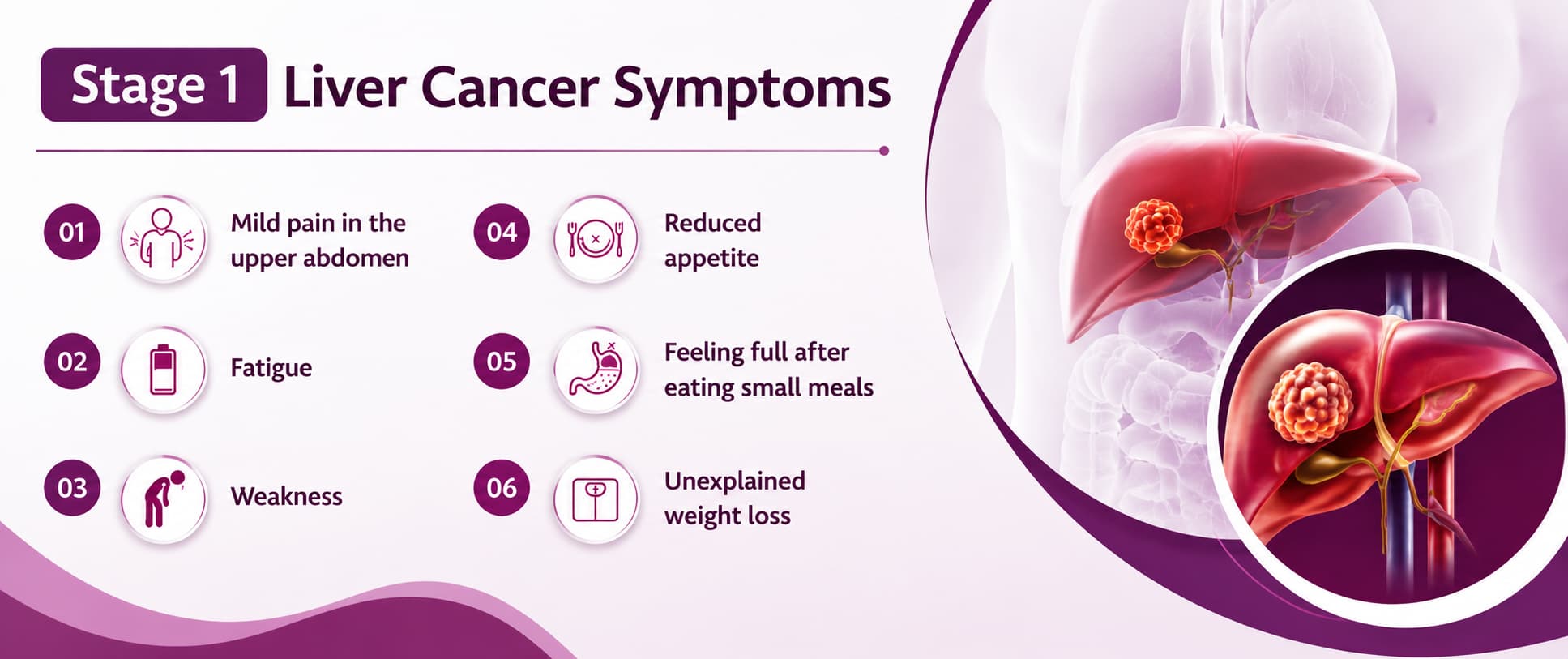
Following that, the symptoms of liver cancer stage 1 often appear slowly. Therefore, many patients do not recognize them and ignore them, leading to cancer spread or stage shifting.
Therefore, from the doctor's point of view, they achieve better treatment results when they diagnose the cancer at stage 1.
Stage 2 Liver Cancer Symptoms
During stage 2, things become a little complex. The tumor may grow larger in size and may spread to the nearby blood vessels.
In some cases, a doctor may find more than 1 small tumor that they commonly refer to as stage 2. At this stage, symptoms usually become more visible
Common Stage 2 Liver Cancer Symptoms
Persistent abdominal pain
Swelling in the stomach area
Ongoing fatigue
Nausea
Weight loss
Weakness during normal activities
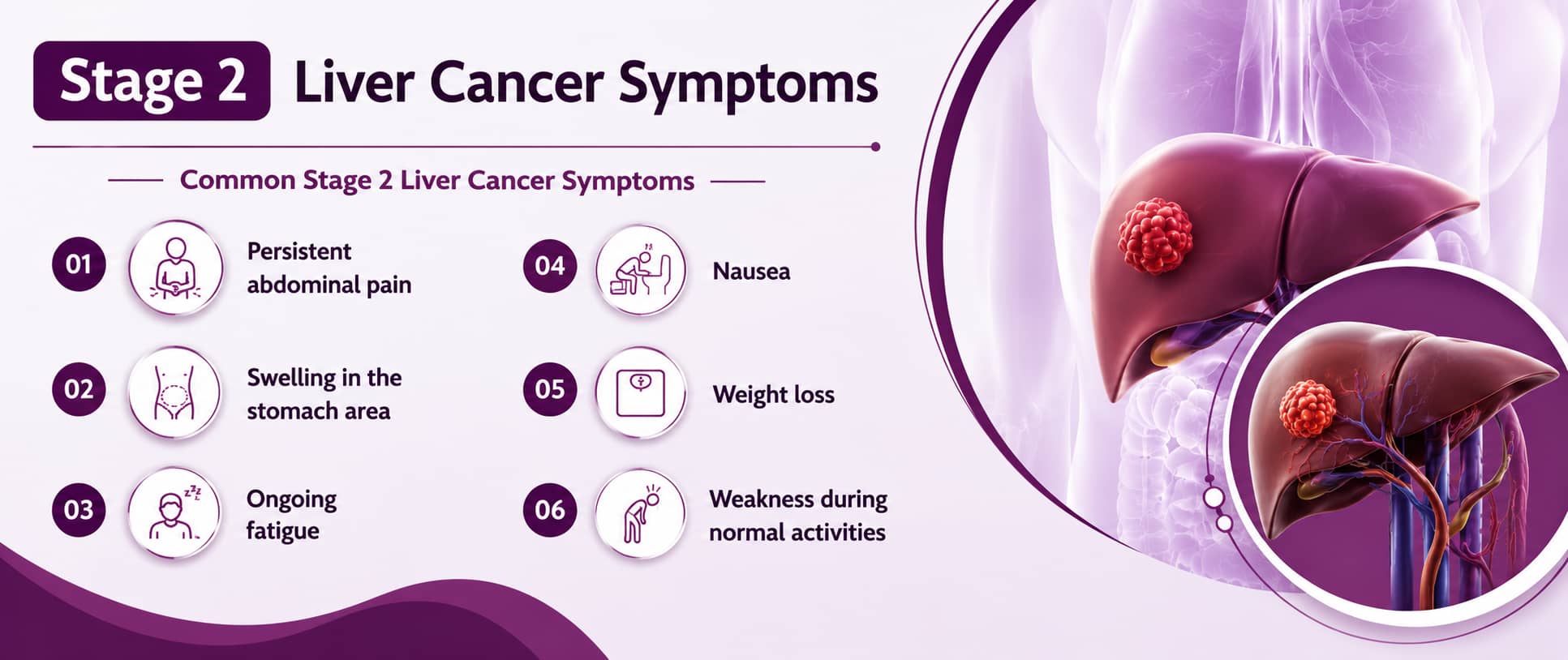
The stage 2 liver cancer symptoms usually affect daily life more clearly than stage 1 symptoms. Therefore, Many patients have noticed visible changes in their body’s energy.
Stage 3 Liver Cancer Symptoms
Stage 3 liver cancer becomes more advanced than the previous stages. The tumor grows into major blood vessels and nearby organs
Therefore, at this stage, the symptoms become more severe and visible than in the previous stages
Common Symptoms in Stage 3
Severe abdominal pain
Enlarged liver
Jaundice
Vomiting
Fever & Severe weakness
Swelling in the abdomen and legs
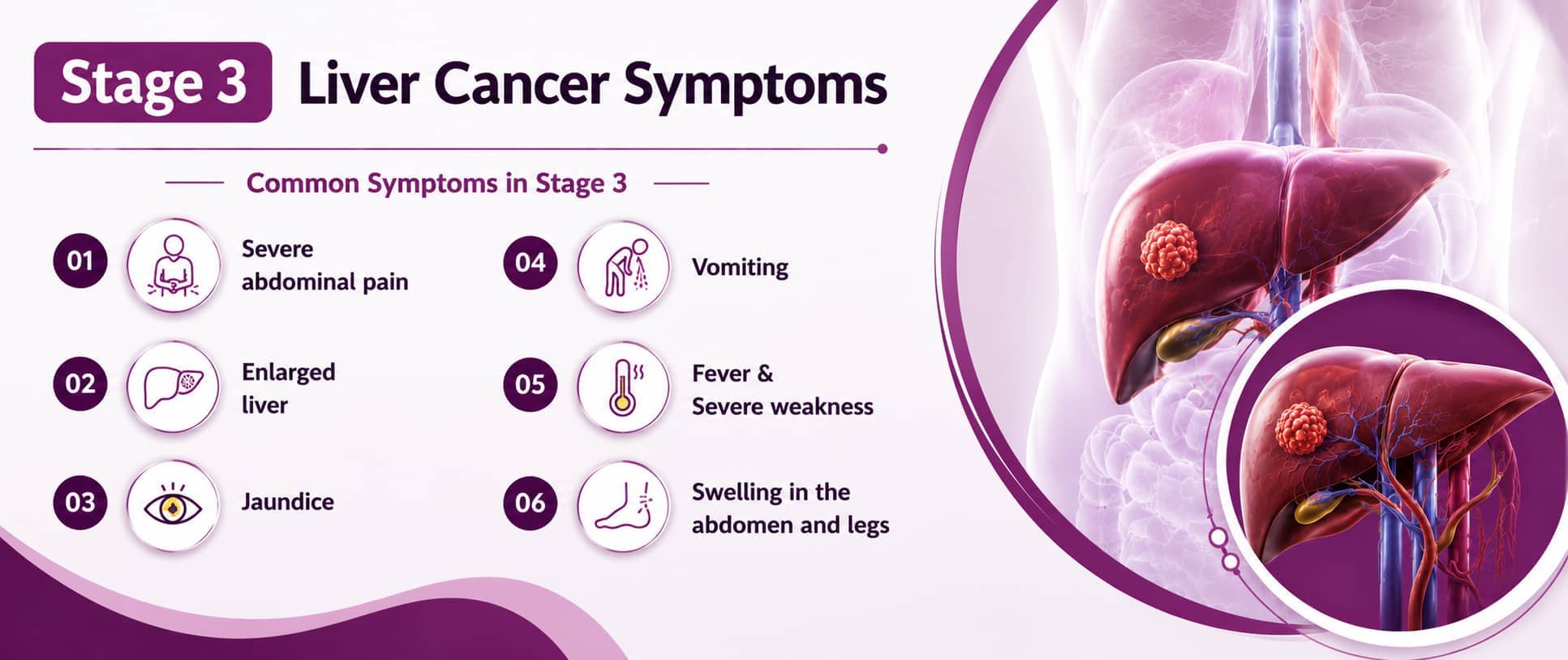
At this stage, the patients require urgent treatment for complete recovery. Moreover, the doctors closely monitor liver cancer stages and symptoms during stage 3 because complications can develop very quickly.
Stage 4 liver cancer symptoms:
Stage 4 serves as the most advanced stage of liver cancer. At this stage, the cancer spreads to distant organs such as lungs, bones, or lymph nodes, making the situation even more complex.
Therefore, Many patients have noticed visible changes in their body’s energy
Symptoms of Advanced Liver Cancer
Extreme fatigue
Difficulty breathing
Severe pain
Loss of appetite
Rapid weight loss
Yellow skin and eyes
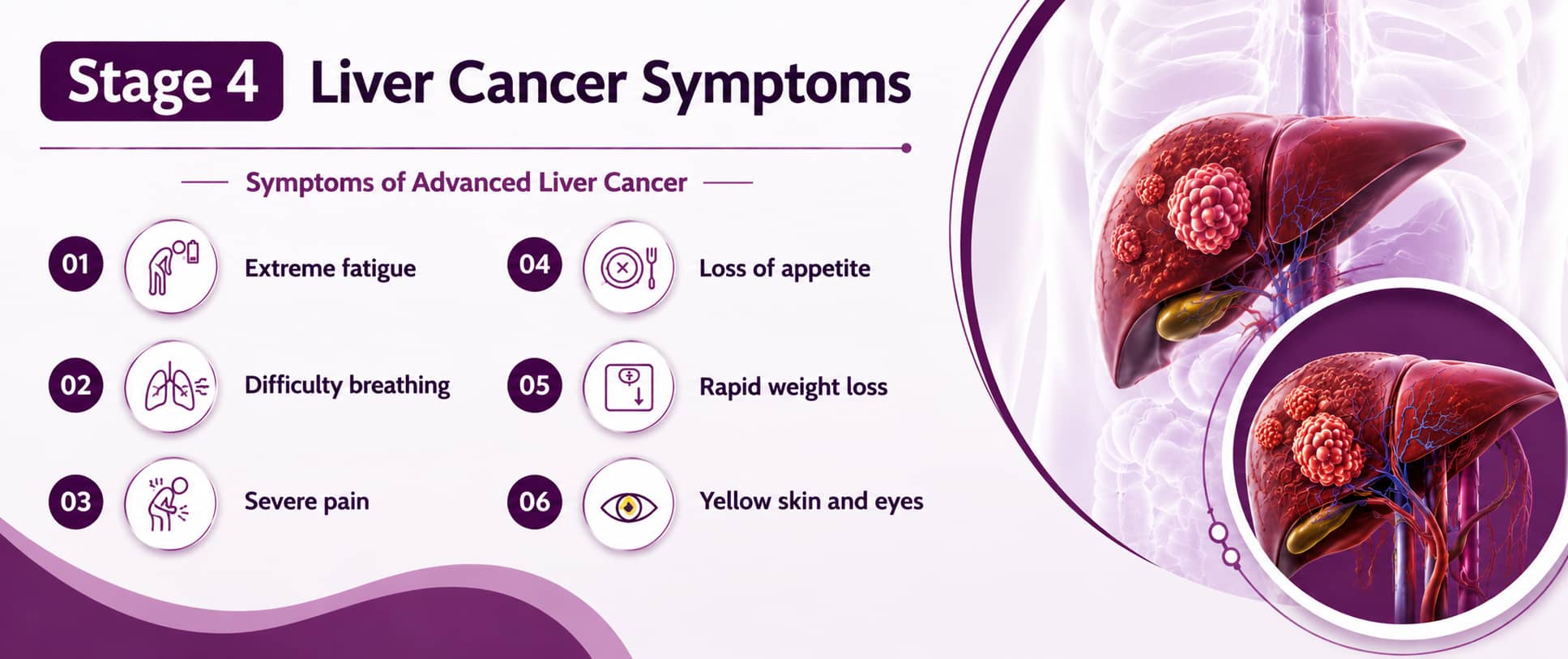
In addition, advanced liver cancer has spread beyond the liver. You can read about this process in our article on metastatic cancer.
Therefore, stage 4 cancer symptoms usually affect the patient’s quality of life significantly, making it the most advanced and harsh stage.
Liver Cancer Stages and Symptoms Explained
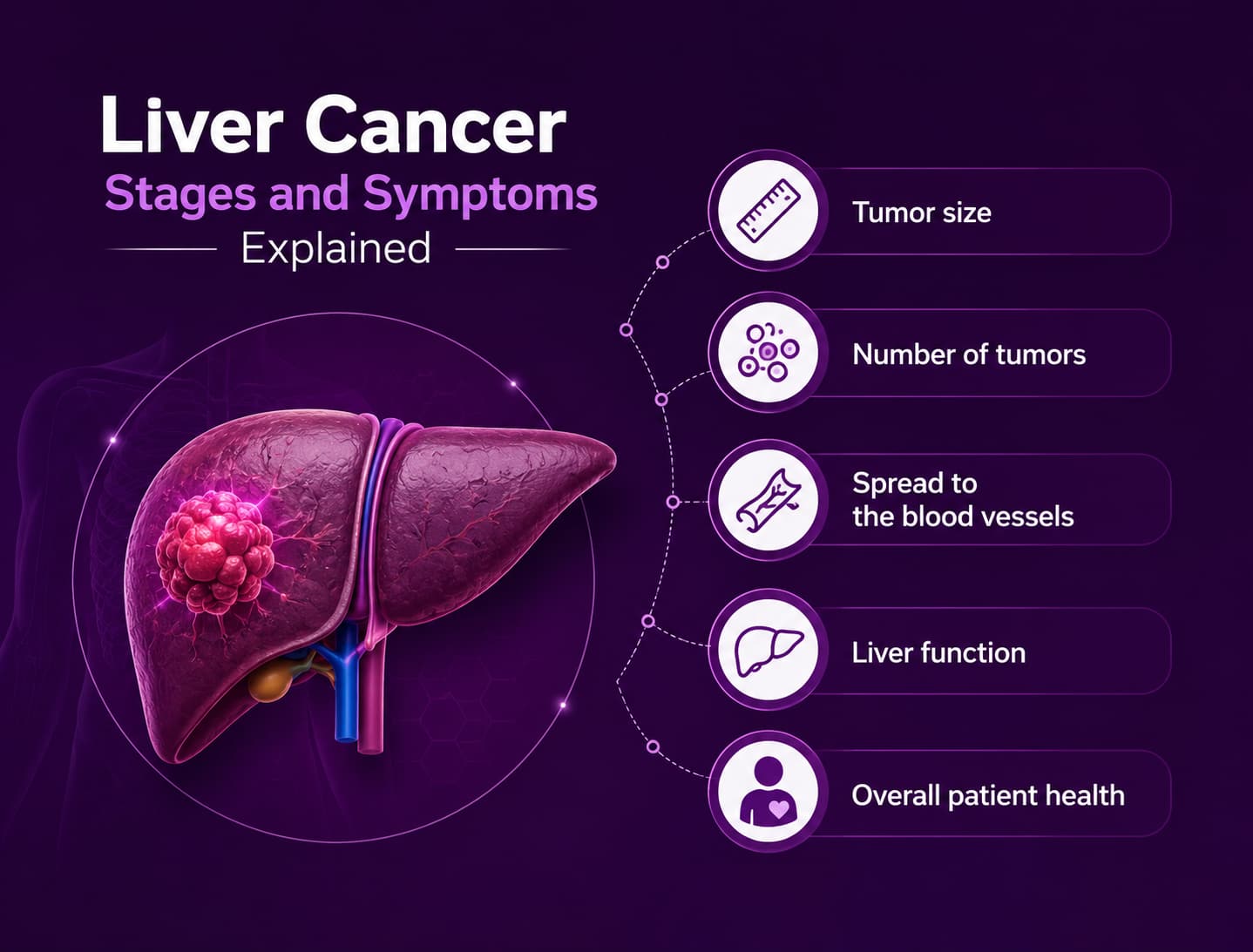
Doctors evaluate liver cancer stages and symptoms very carefully before deciding on their next step towards treatment. Early-stage cancer often responds better to surgery and targeted therapies, and doctors consider it more effective in the early stage of cancer. However, as the cancer advances in stages, the treatment plan becomes more complex and harder. The severity of liver cancer stages and symptoms depends on
How Doctors Diagnose Liver Cancer Stages
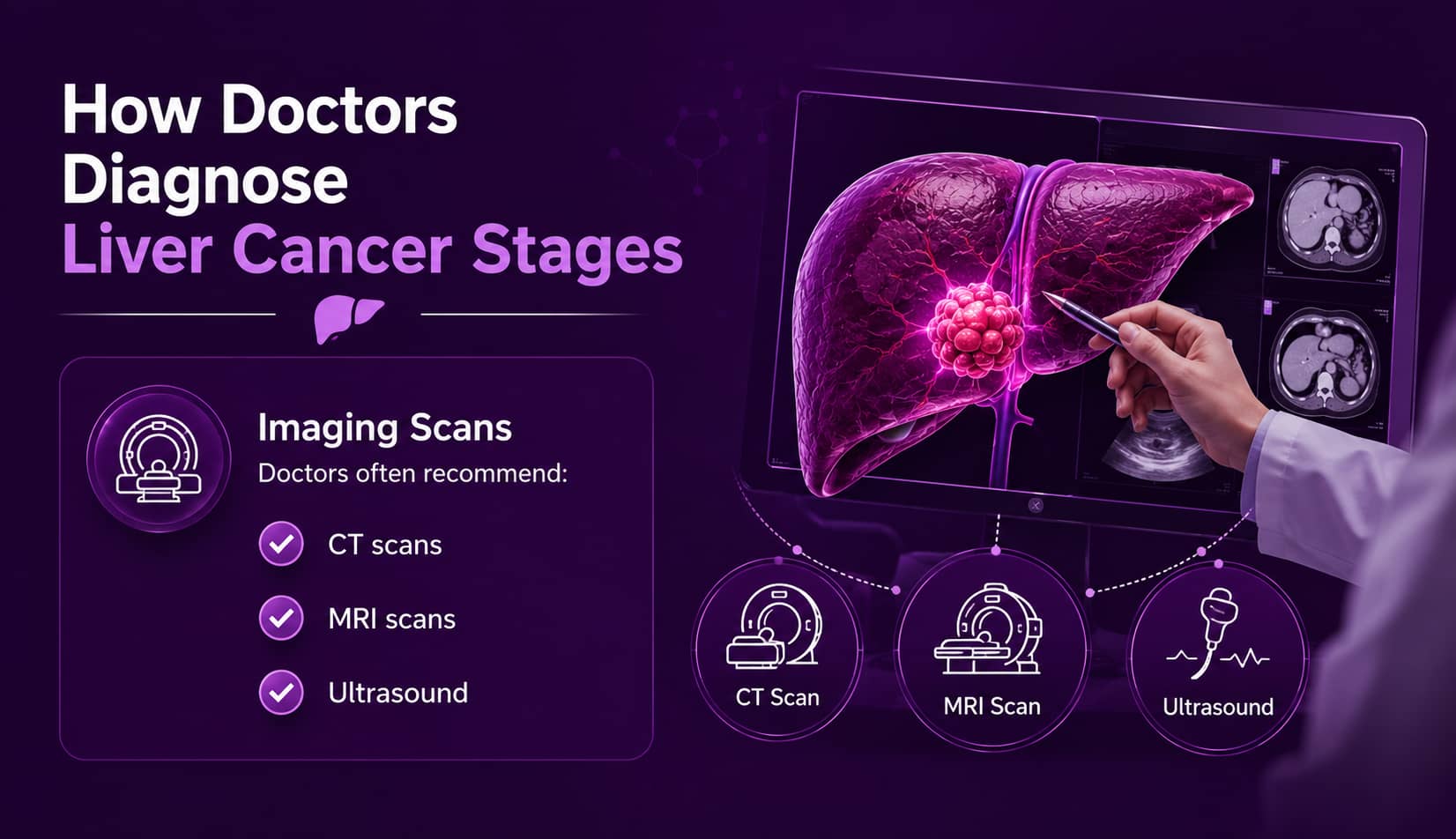
Doctors use several tests to determine the stage of the cancer
Imaging Scans
Doctors often recommend: CT scans,MRI scans and Ultrasound
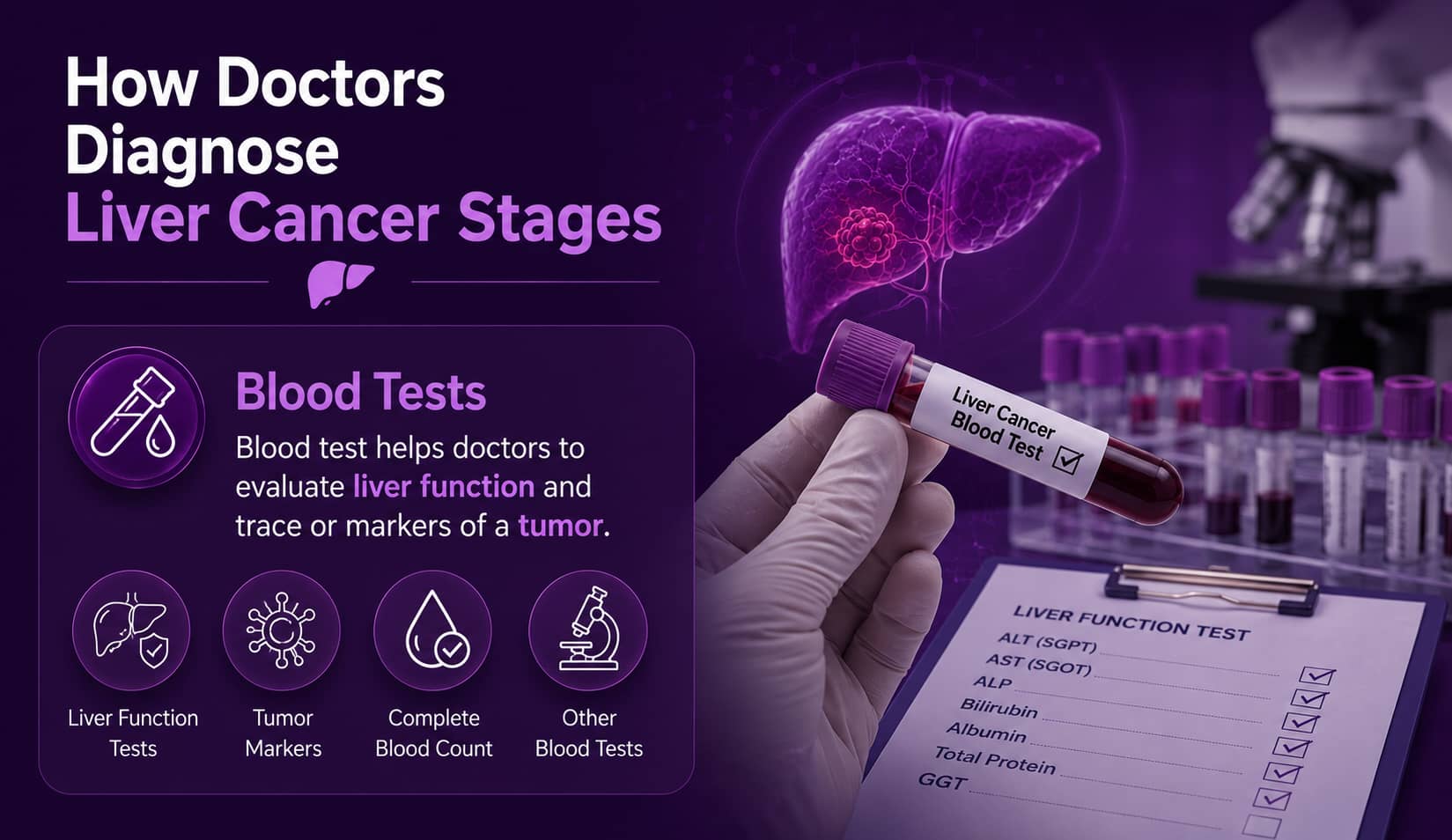
Blood Tests
Blood test helps doctors to evaluate liver function and trace or markers of a tumor.
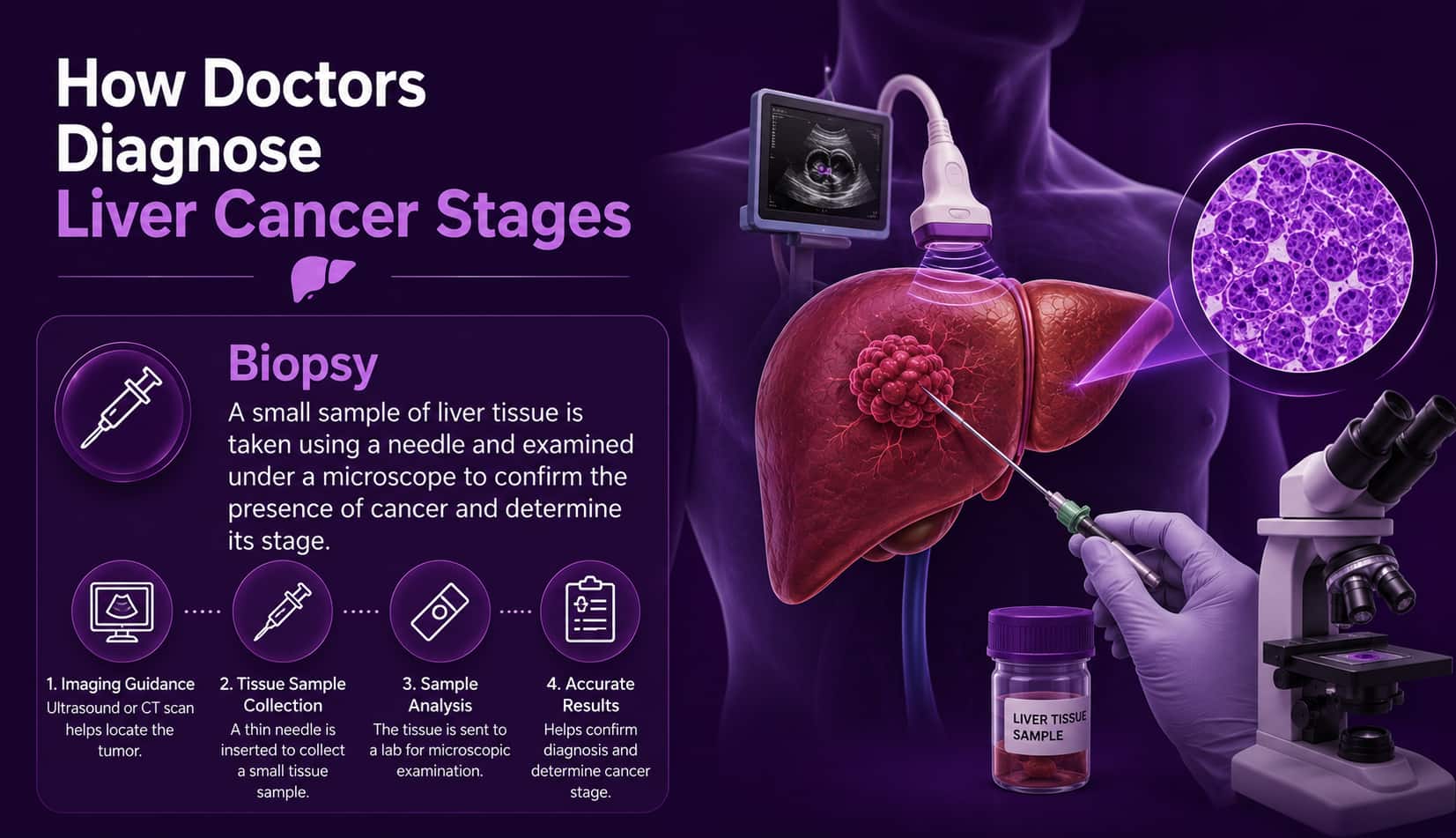
Biopsy
A biopsy refers to the process where doctors remove a small tissue sample for laboratory testing. Moreover, if diagnosed correctly, doctors easily understand the liver cancer stages and symptoms with accurate findings.
Treatment According to Liver Cancer Stages
Treatment depends on the stages of the cancer. However, we have provided you with a normal list where each treatment maps out to the exact cancer stage
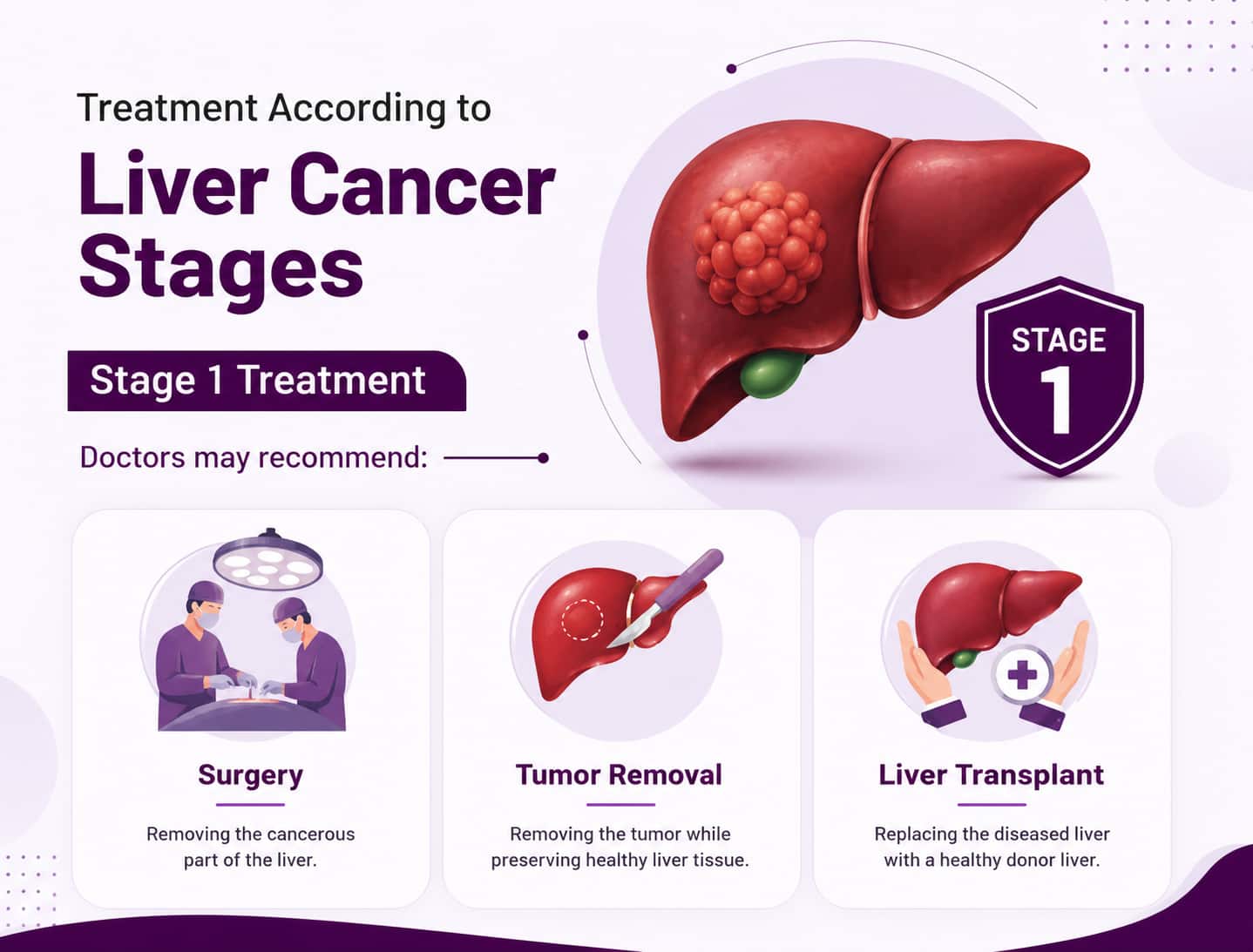
Stage 1 Treatment
Doctors may recommend: Surgery,Tumor removal and Liver transplant
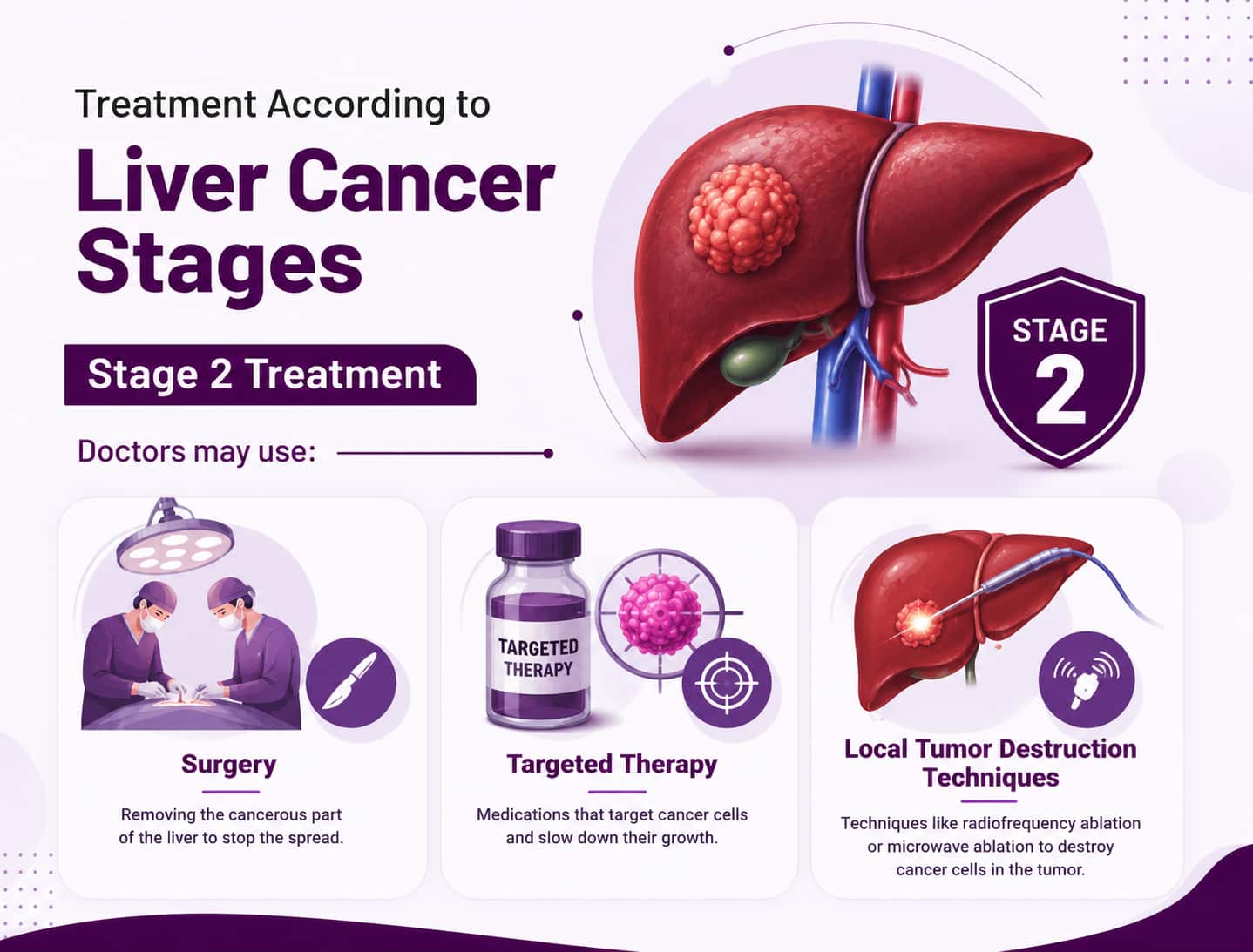
Stage 2 Treatment
Doctors may use:Surgery,Targeted therapy and Local tumor destruction techniques
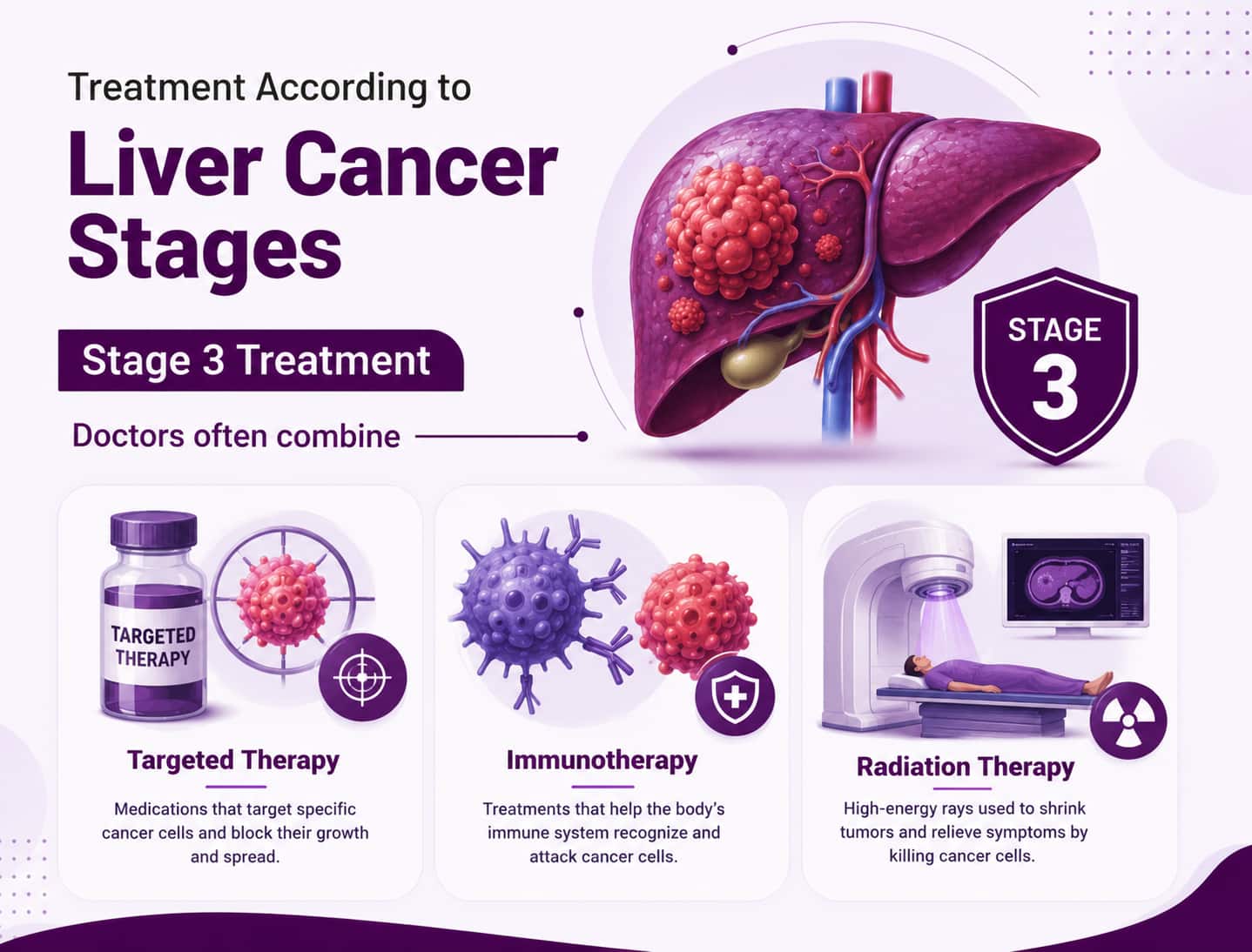
Stage 3 Treatment
Doctors often combine Targeted therapy,Immunotherapy and Radiation therapy.
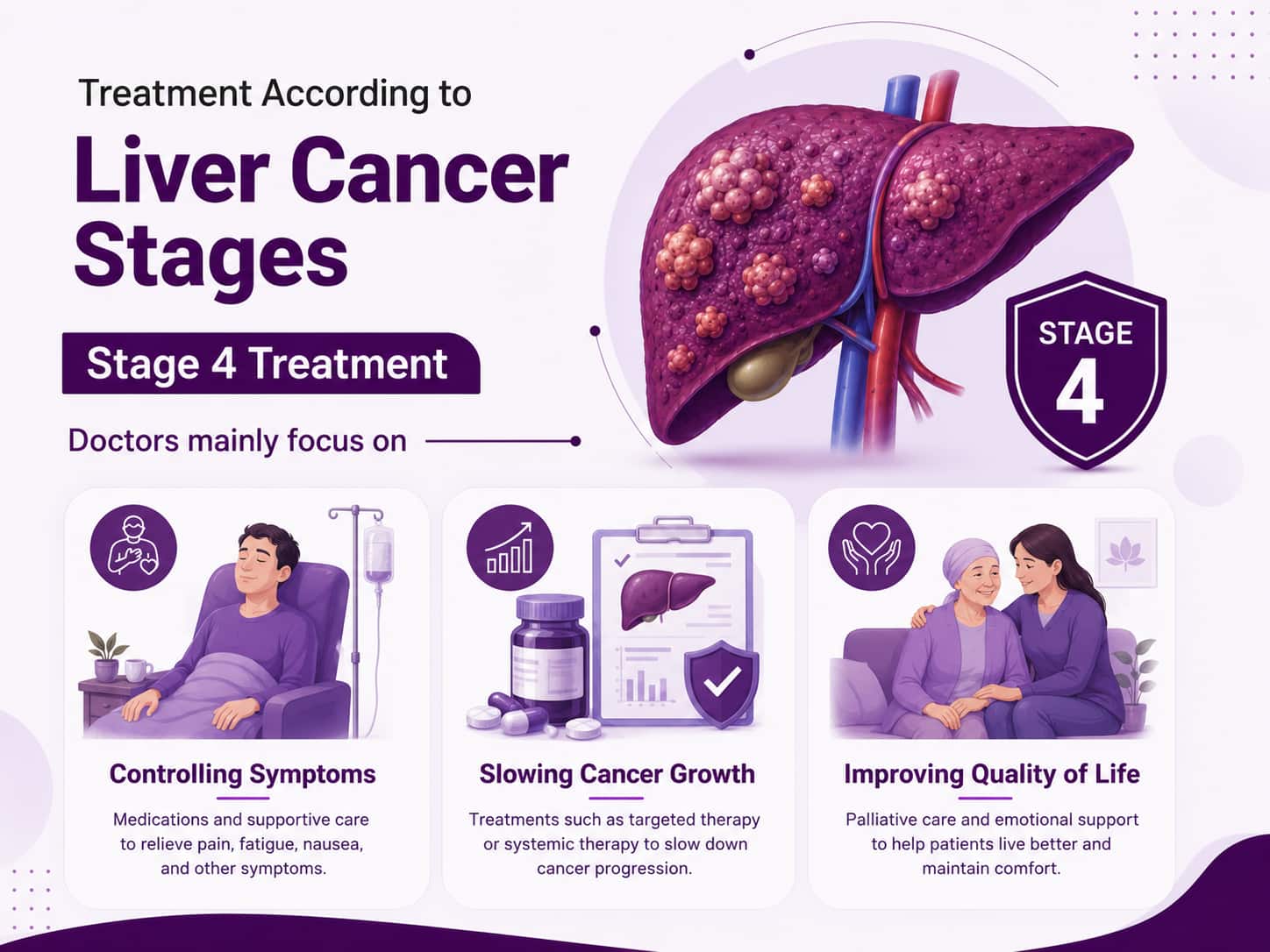
Stage 4 Treatment
Doctors mainly focus on Controlling symptoms,Slowing cancer growth and Improving quality of life
Why Early Detection Matters
Early detection can make a life-saving difference. When doctors identify liver cancer stages and symptoms early, patients have more flexible treatment options. In addition, early diagnosis usually produces better outcomes. For the people suffering from hepatitis, cirrhosis, or fatty liver disease, regular and scheduled screening tests to avoid cancer and catch it in stage 1.
Frequently Asked Questions
Patients should seek medical attention if they notice:
- Persistent abdominal pain
- Yellow skin or eyes
- Unexplained weight loss
- Severe fatigue
- Abdominal swelling
- Constant nausea
The early symptoms of liver cancer include fatigue, loss of appetite, mild abdominal pain, and unexplained weight loss.
Yes, stage 2 liver cancer symptoms may include the tumor growth with involvement of cancer spread in blood vessels.
Yes, early-stage liver cancer can spread to nearby organs, but advanced-stage cancer spreads even to distant organs.
Yes, early stage liver cancer diagnosis has been noted with remarkable results, leading to successful recovery.