HBPSP

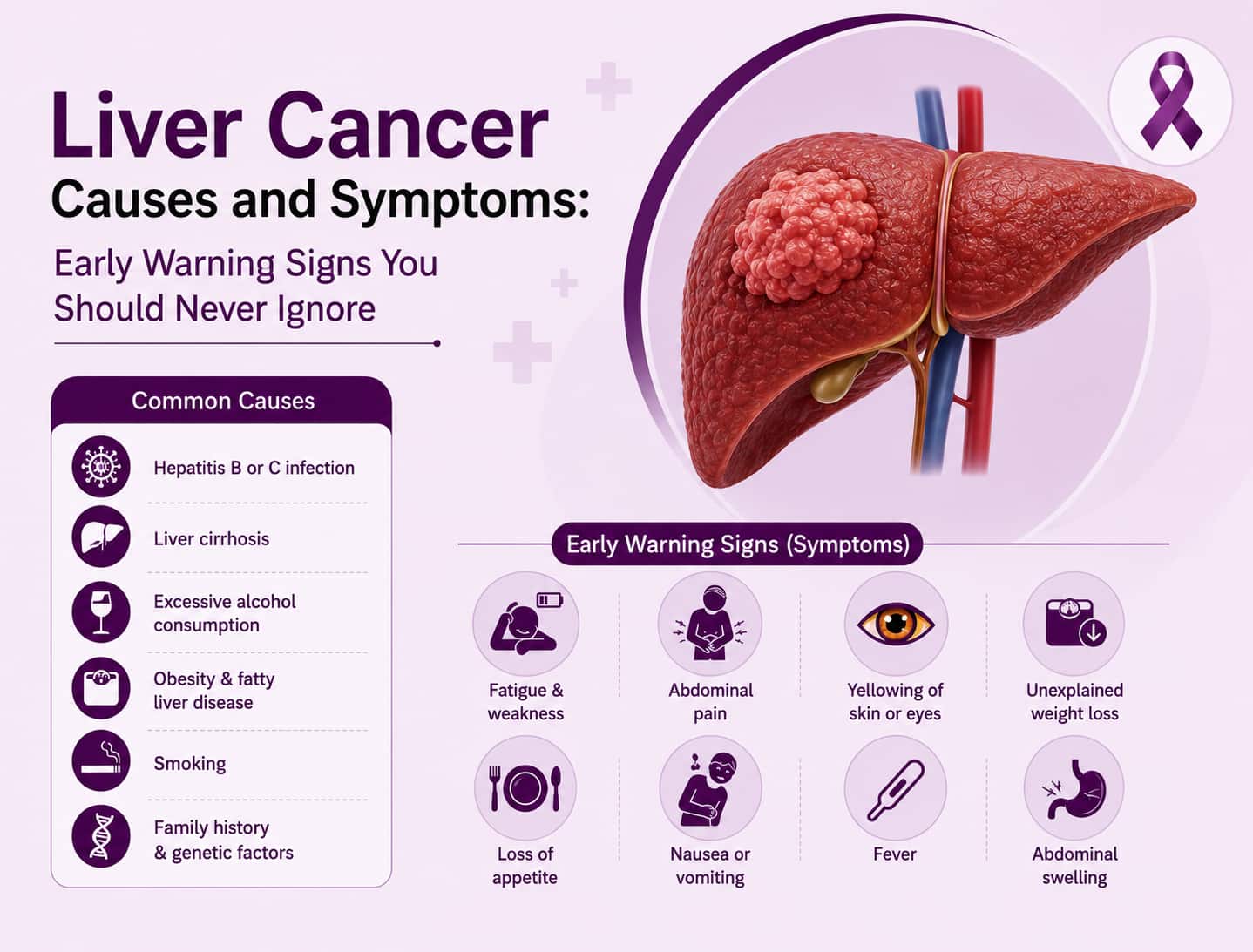
Liver Cancer Causes and Symptoms: Early Warning Signs You Should Never Ignore

Liver cancer affects people throughout the world, and the hard part about this is that it is mostly silent. Hence, this means that most of the time, no signs of its presence show up until it becomes severe. So, if we diagnose it early, it can make a life-saving difference. Understanding liver cancer causes and symptoms can help you avoid this deadly medical condition. Therefore, Awareness is the first step towards prevention and early treatment.

Moreover, In this guide, we will discuss the common causes of liver cancer, the warning signs you should never ignore, and how conditions like hepatitis B and C, cirrhosis, increase the risk of developing liver cancer.

Liver cancer
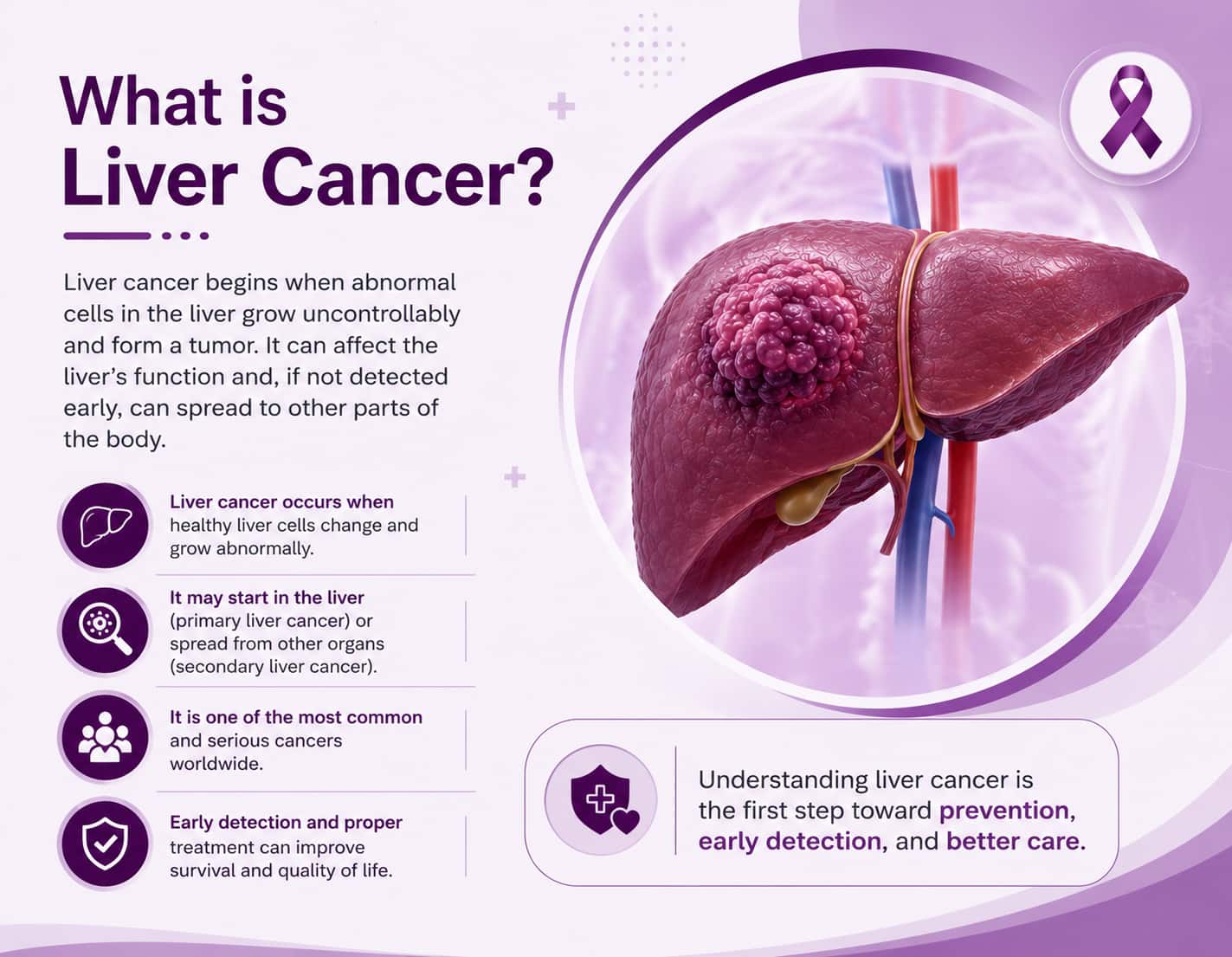
What is Liver Cancer?

What is Liver Cancer?

Liver cancer occurs when the abnormal cells in the liver grow uncontrollably. Moreover, the most common type of liver cancer affecting people counts to the hepatocellular carcinoma (HCC). Normally, this cancer begins in the liver cells called hepatocytes. A lot of people commonly ask for information about liver cancer causes and symptoms. Hence, this happens because the symptoms do not show up until cancer is too advanced, and by the time it appears, it is too late. It affects the daily life of the patient and makes it hard for them.

Common Liver Cancer Causes

Several factors contribute to the development of liver cancer. Understanding these liver cancer causes can help you take preventive measures and reduce your risk.

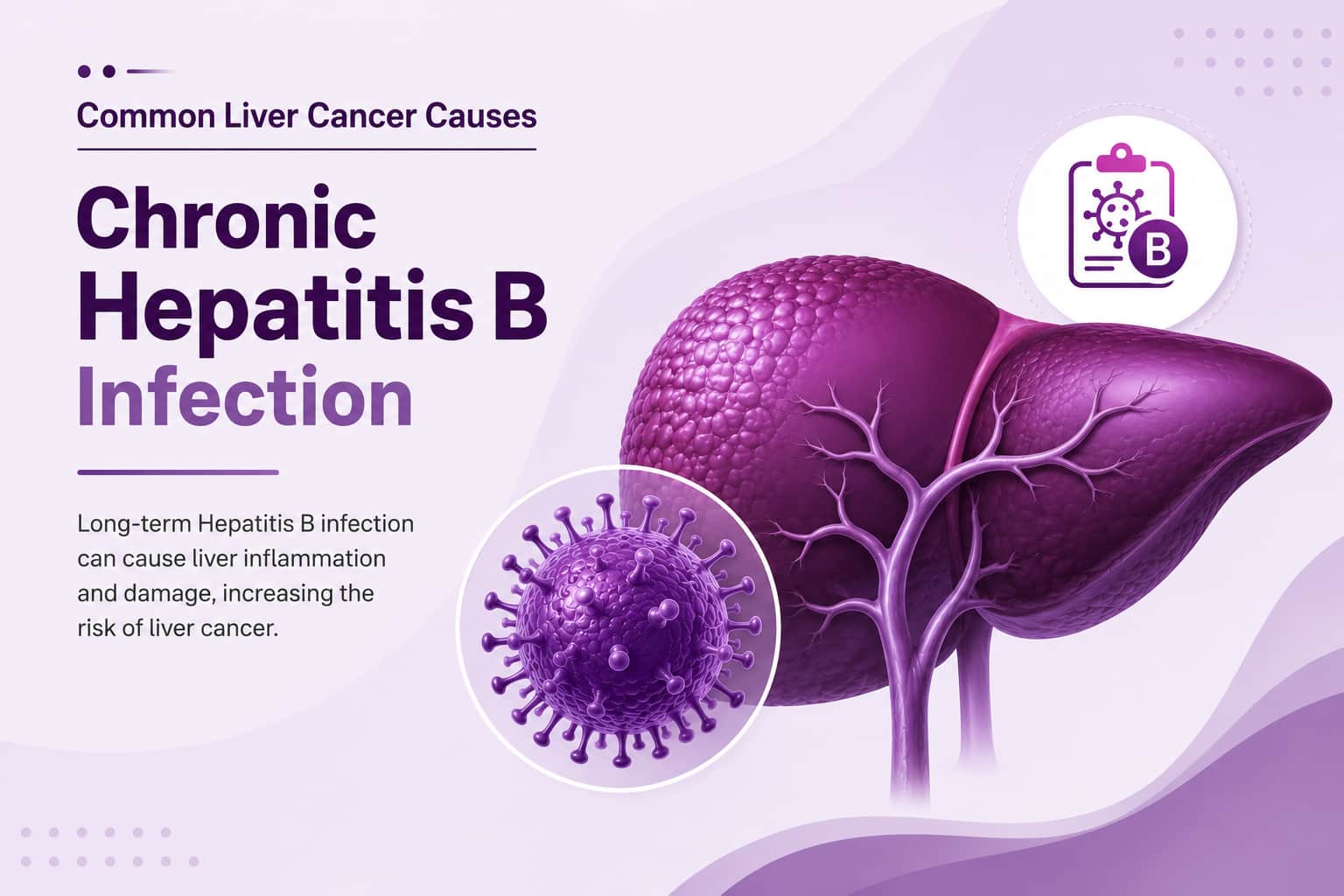
Chronic Hepatitis B Infection

One of the most significant risk factors for liver cancer is chronic hepatitis B infection. Hence, this infection leads to inflammation of the liver, which gradually leads to liver cancer. Moreover, Healthcare professionals usually talk about the hepatitis B liver cancer symptoms because patients with hepatitis B are at a higher risk of developing liver cancer, and they need continuous monitoring.

Chronic Hepatitis B Infection

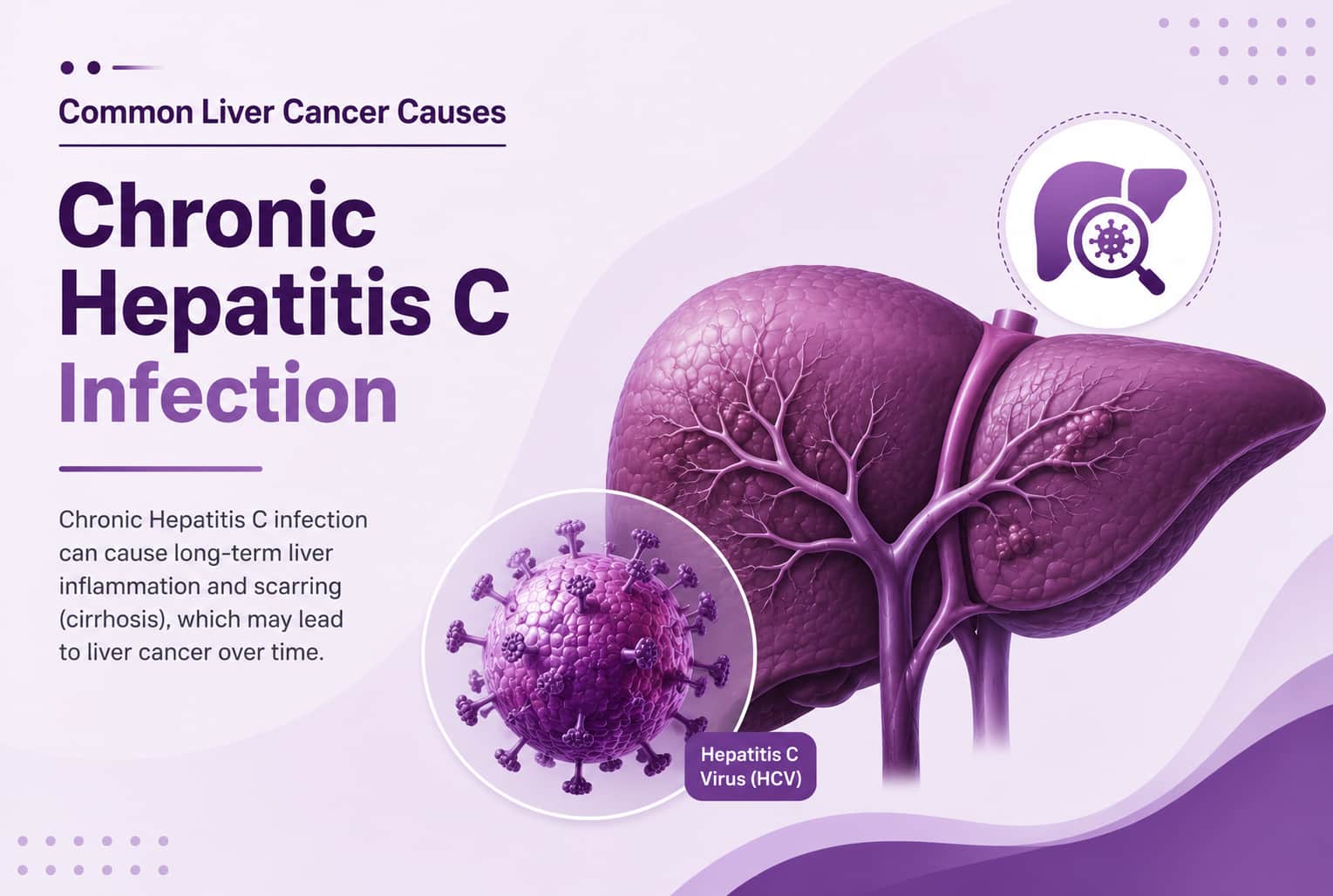
Chronic Hepatitis C Infection

Hepatitis C can cause long-term liver damage, which leads to inflammation and scarring of the liver. Over time, the damage accumulates, increasing the chances of liver cancer. Many people show hep c liver cancer symptoms only when the disease has progressed significantly. Ultimately, this causes the delay in diagnosis and treatment.

Chronic Hepatitis C Infection

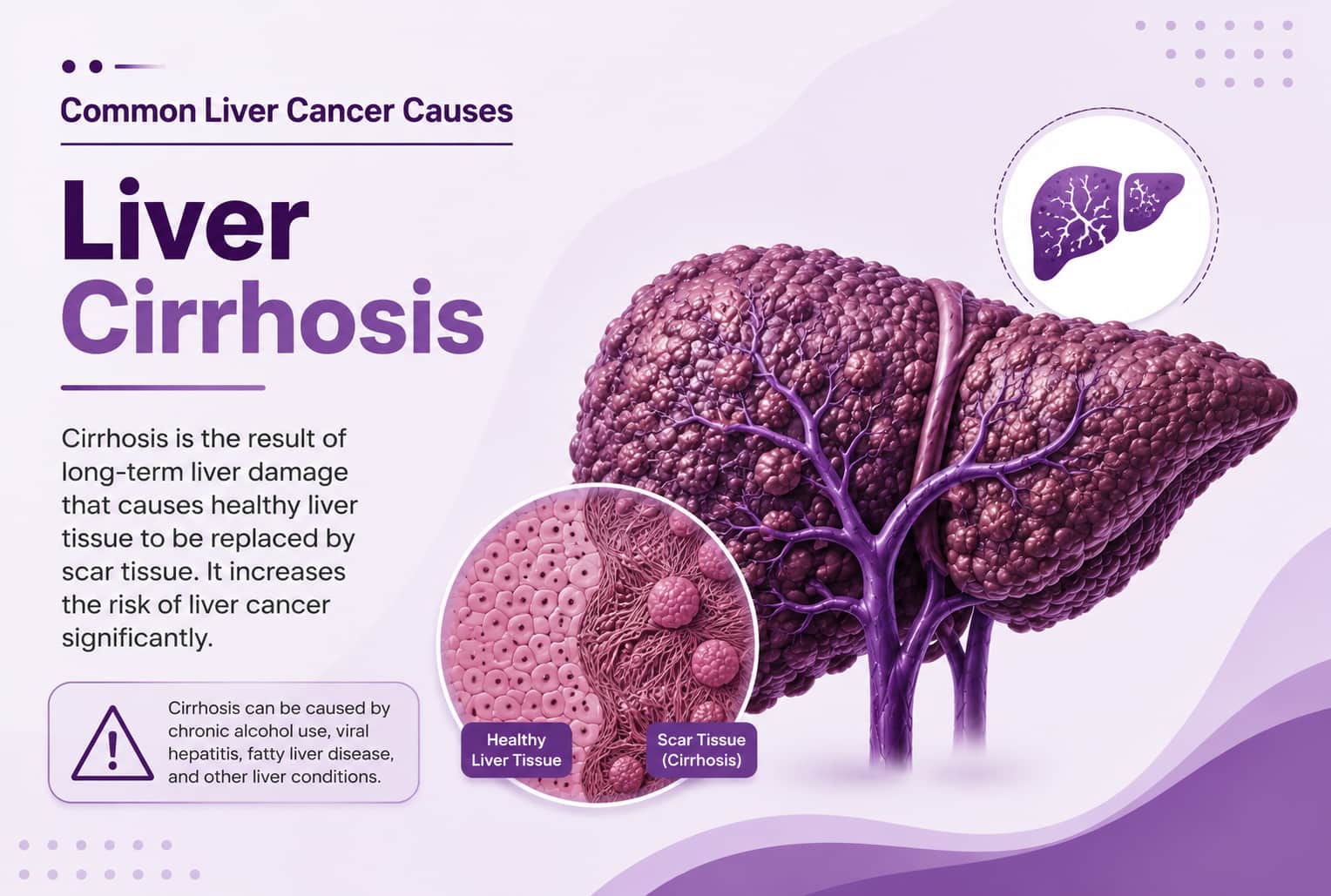
Liver Cirrhosis

Cirrhosis normally means the scarring of the liver due to long-term damage. Excessive alcohol consumption, viral hepatitis, certain genetic conditions, and fatty liver diseases cause this disease. Eventually, Cirrhosis increases the risk of liver cancer.

Liver Cirrhosis

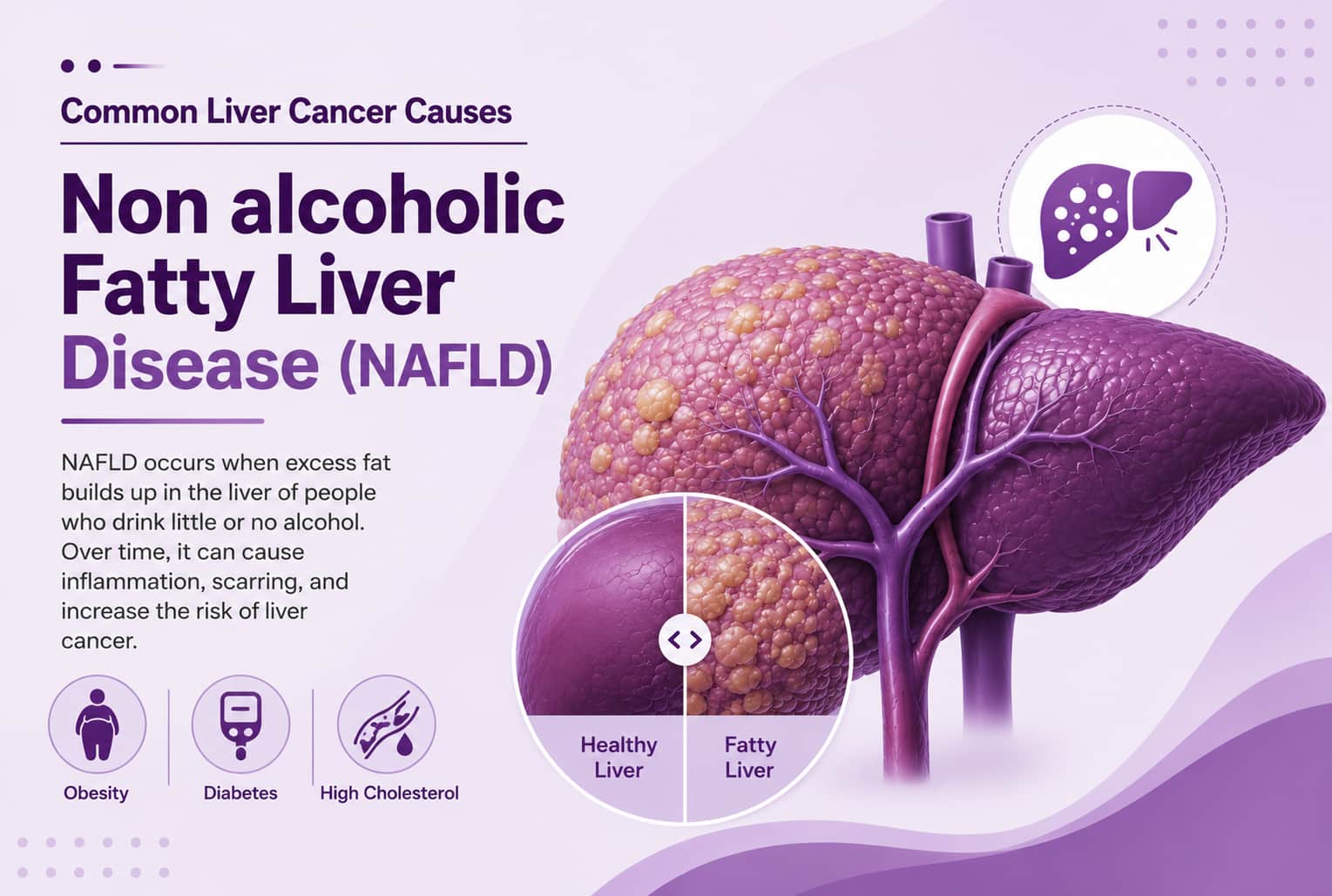
Non alcoholic Fatty Liver Disease (NAFLD)

Obesity, diabetes, and certain metabolic disorders can lead to NAFLD, where, if we leave them unattended, this condition becomes cirrhosis and eventually liver cancer.

Non alcoholic Fatty Liver Disease (NAFLD)

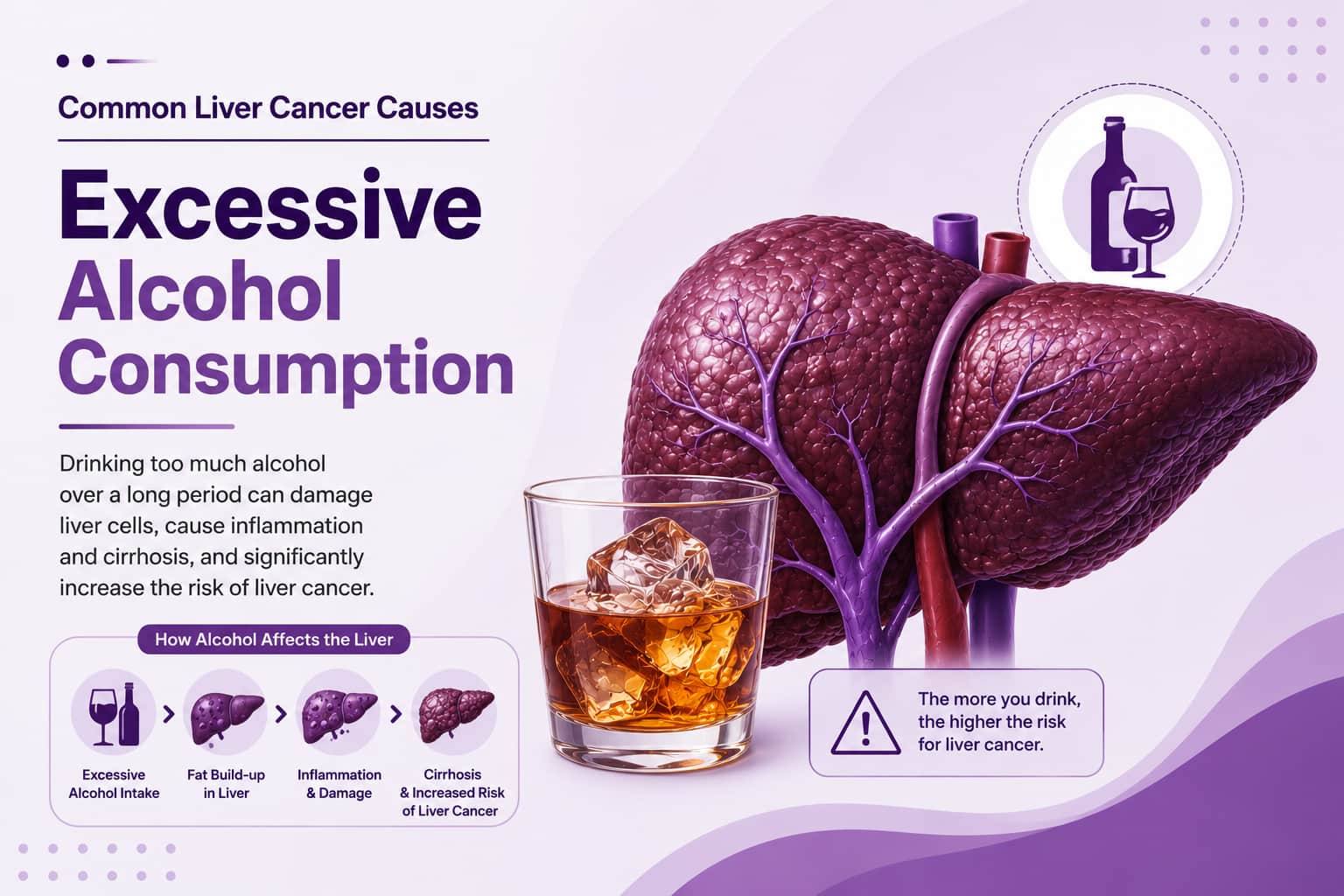
Excessive Alcohol Consumption

Excessive alcohol consumption can lead to liver cirrhosis, which eventually causes liver cancer. Hence, understanding these liver cancer causes symptoms, and treatment options can help you reduce your risk and improve your health.

Excessive Alcohol Consumption

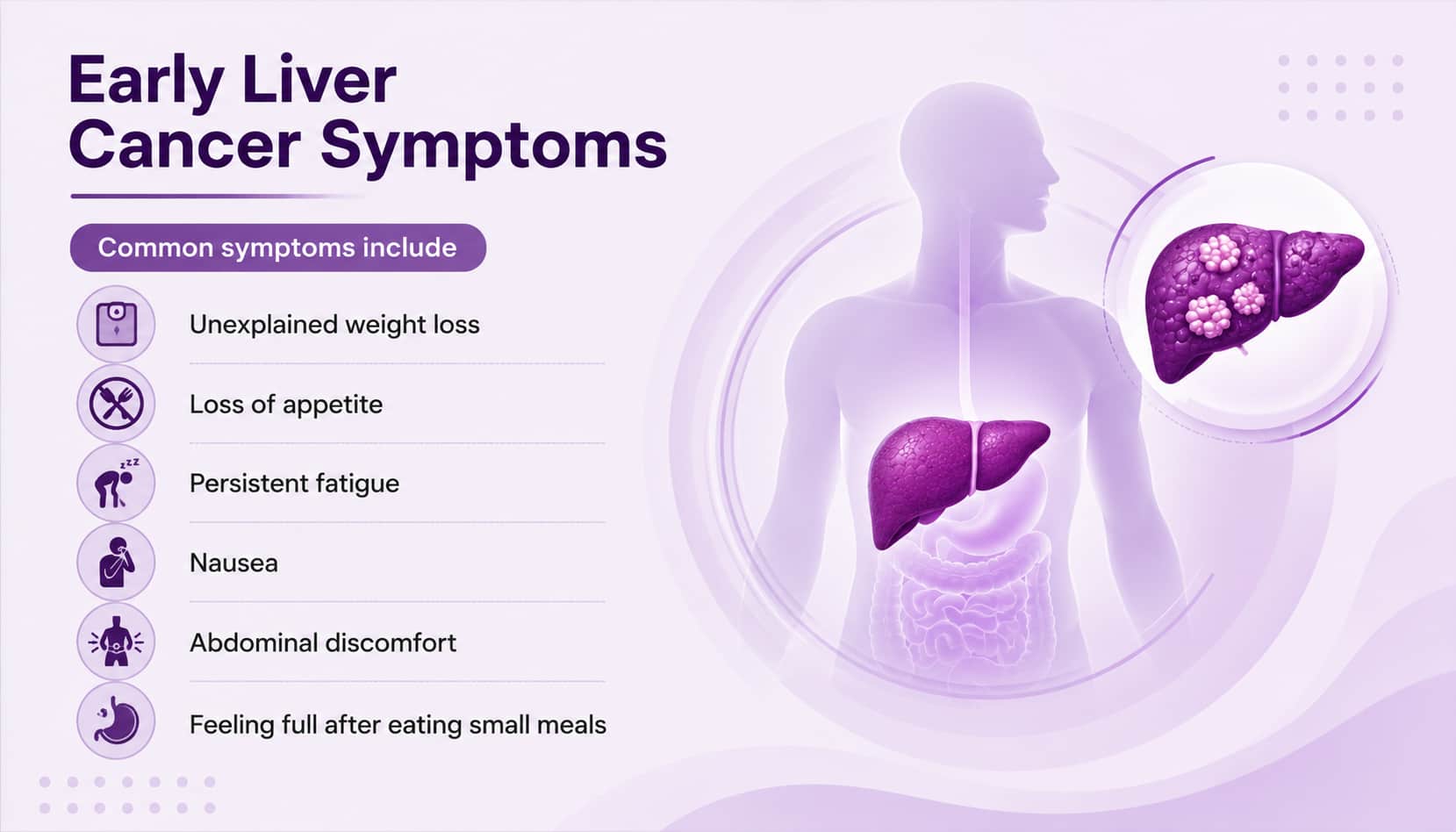
Common symptoms include

  • Unexplained weight loss
  • Loss of appetite
  • Persistent fatigue
  • Nausea
  • Abdominal discomfort
  • Feeling full after eating small meals

Therefore, these warning signs should prompt you to visit a healthcare provider for further evaluation, as they are associated with liver cancer causes and symptoms.

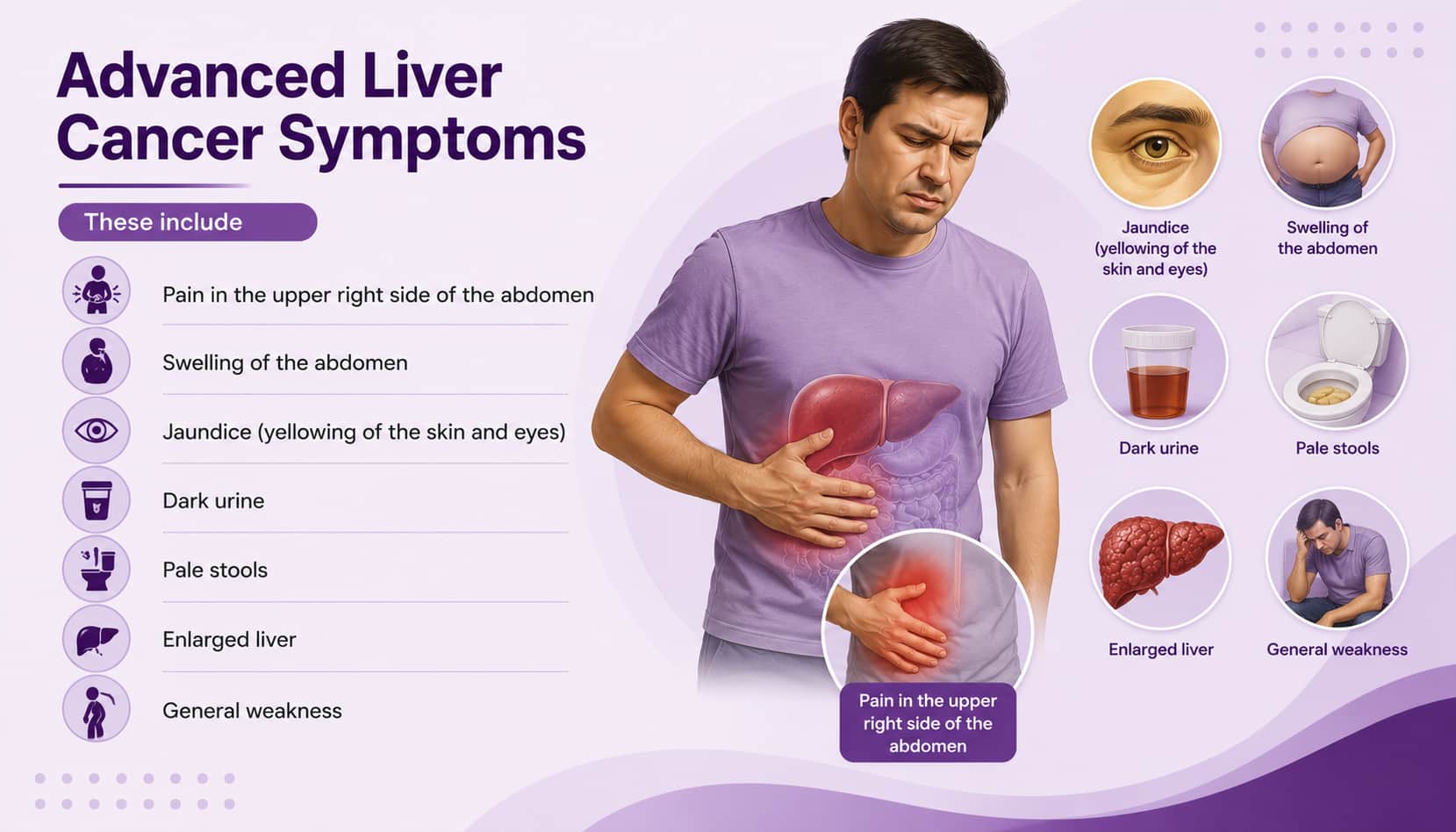
These include

  • Pain in the upper right side of the abdomen
  • Swelling of the abdomen
  • Jaundice (yellowing of the skin and eyes)
  • Dark urine
  • Pale stools
  • Enlarged liver
  • General weakness

Doctors immediately call for liver cancer screening if you show these symptoms, as these signs are associated with liver cancer causes and symptoms.

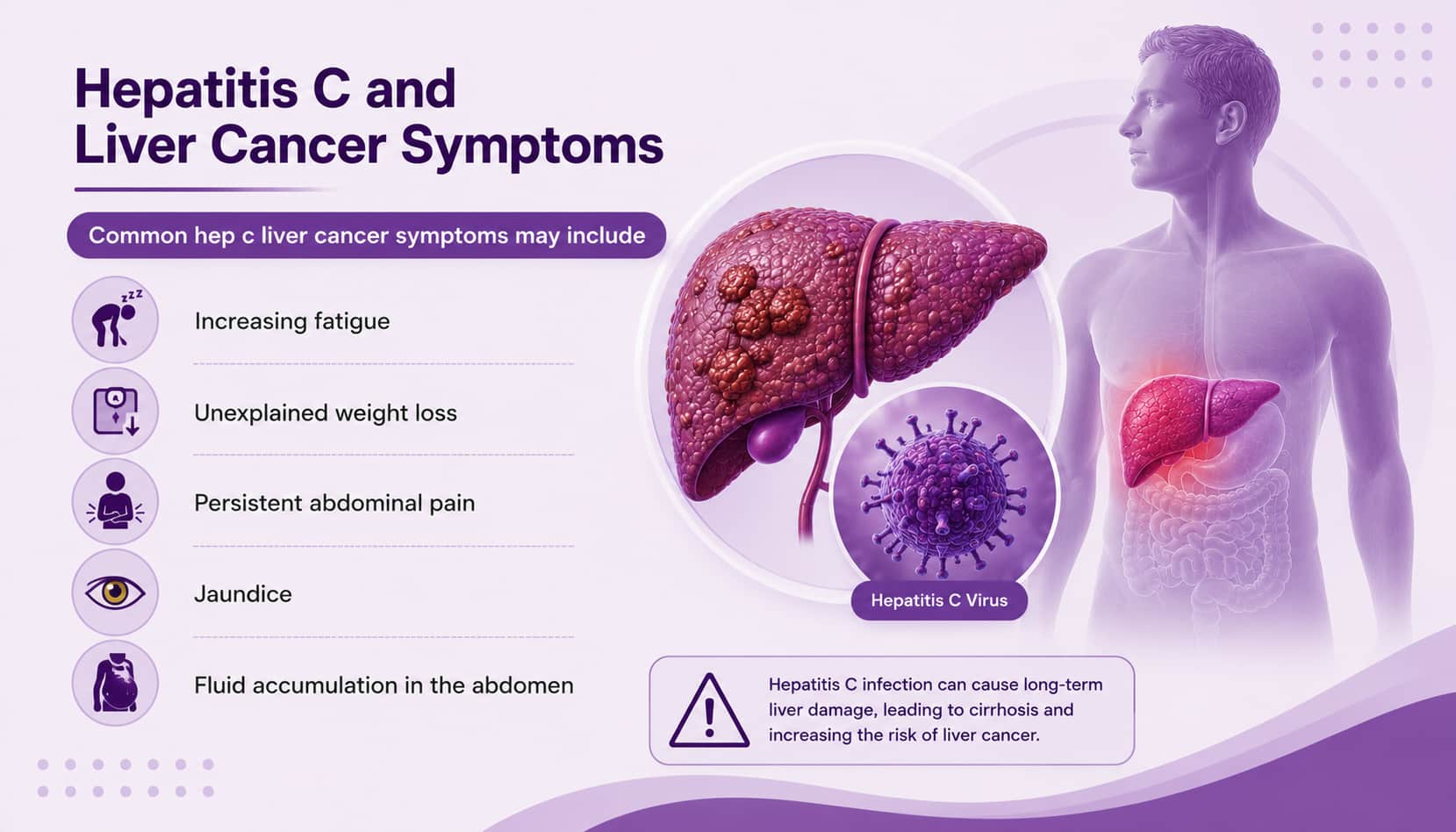
Common hep c liver cancer symptoms may include

  • Increasing fatigue
  • Unexplained weight loss
  • Persistent abdominal pain
  • Jaundice
  • Fluid accumulation in the abdomen

Because hepatitis C damages the liver over time, regular monitoring for liver cancer is crucial in individuals with chronic hepatitis. Therefore, understanding hep c liver cancer symptoms helps in early detection and better treatment outcomes.

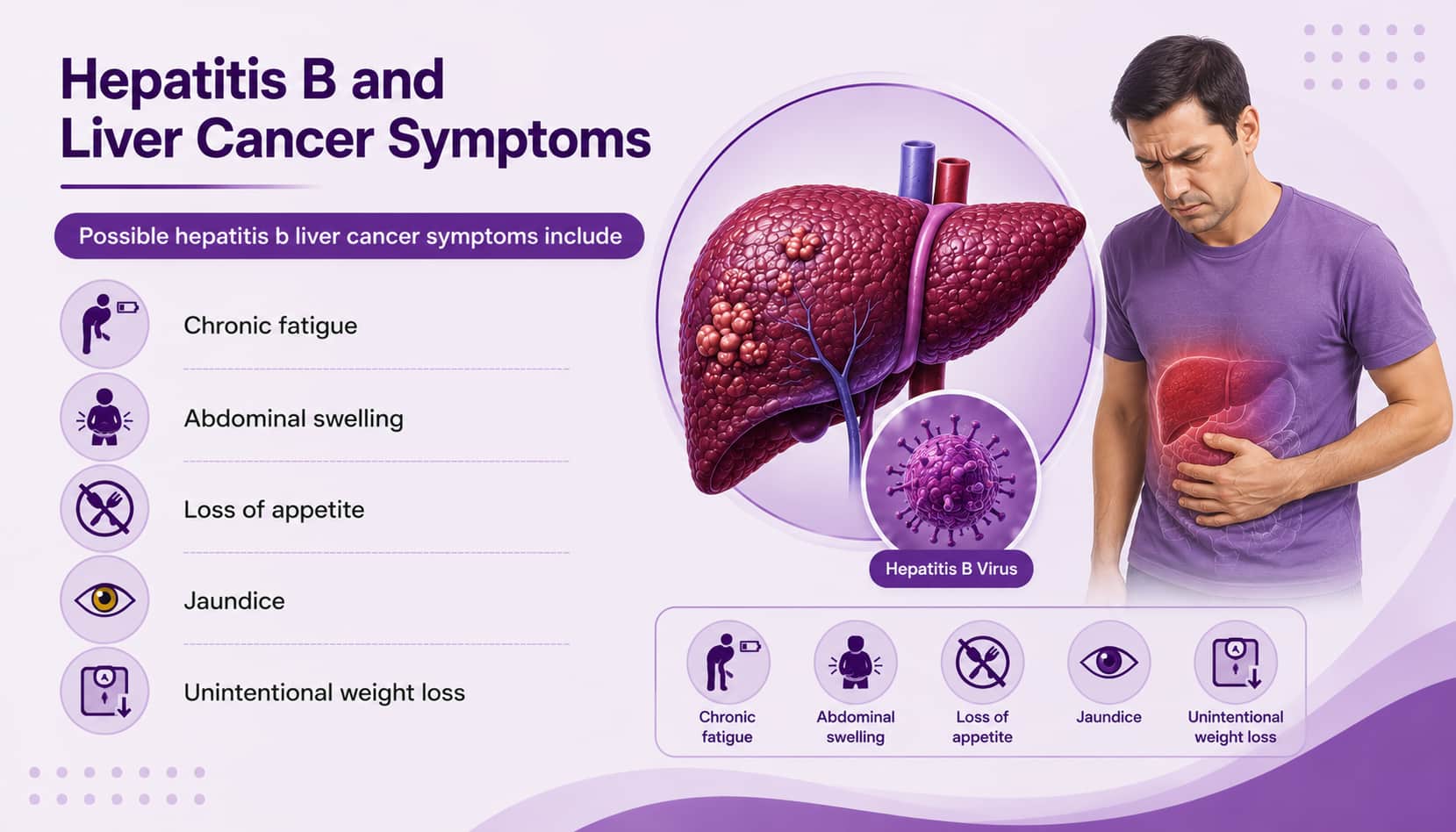
Possible hepatitis b liver cancer symptoms include

  • Chronic fatigue
  • Abdominal swelling
  • Loss of appetite
  • Jaundice
  • Unintentional weight loss

Many patients suffering from chronic hepatitis B do not show symptoms until liver cancer gets to advanced stages, so regular screening is essential for early detection. Moreover, awareness of hepatitis B liver cancer symptoms can support earlier diagnosis and treatment.

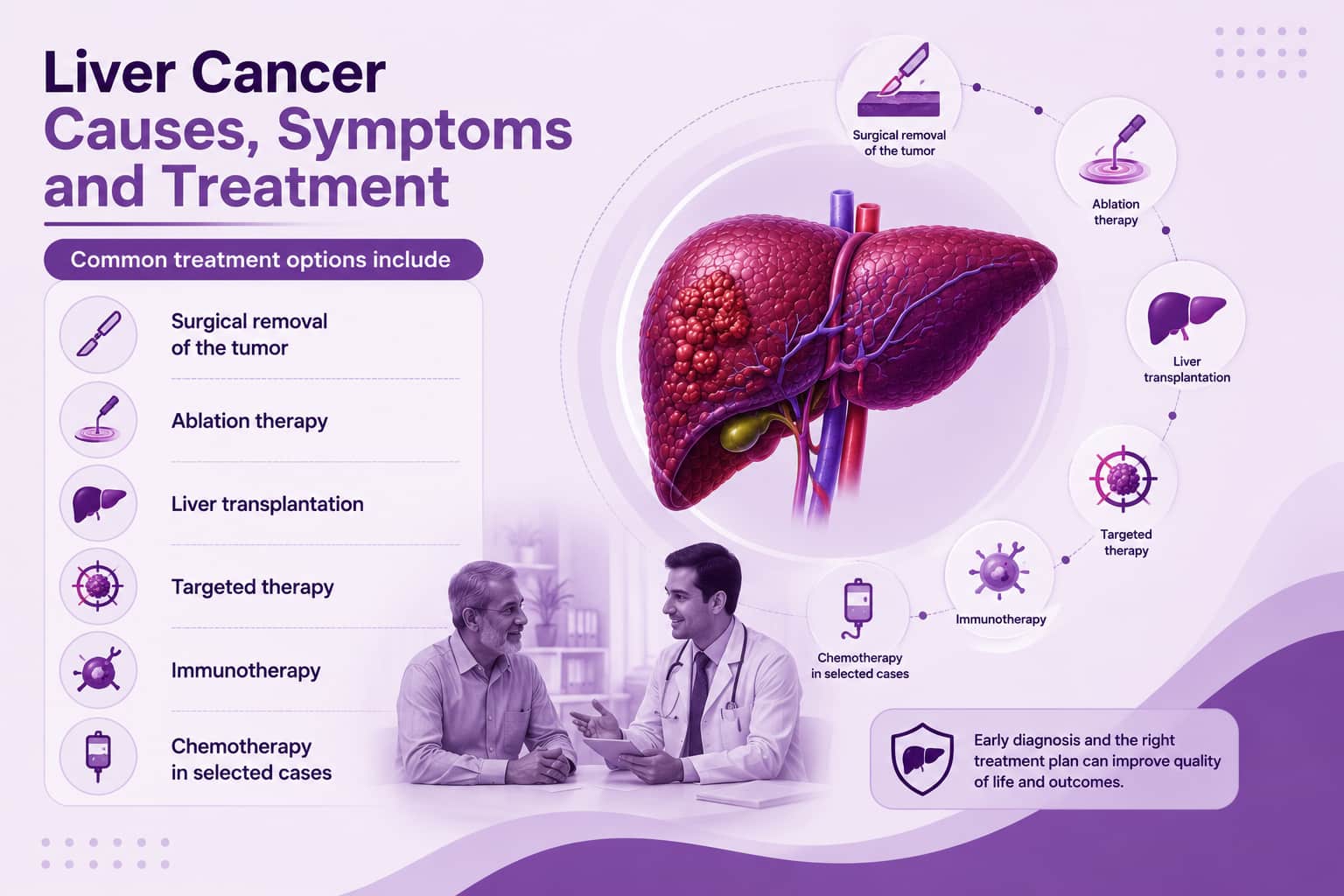
Common treatment options include

  • Surgical removal of the tumor
  • Ablation therapy
  • Liver transplantation
  • Targeted therapy
  • Immunotherapy
  • Chemotherapy in selected cases

Early diagnosis is the key to managing metastatic liver cancer, and it opens a ton of treatment options that can improve quality of life, making it critical for the patients and their families.

Frequently Asked Questions

The most common liver cancer causes and symptoms include chronic viral hepatitis (hepatitis B and C), fatty liver disease, alcohol abuse, and exposure to certain chemicals. Moreover, common symptoms include pain or discomfort in the upper right side of the abdomen, unexplained weight loss, loss of appetite, nausea, and jaundice.

Common hep c liver cancer symptoms include persistent fatigue, abdominal swelling and jaundice, loss of appetite, and unexplained weight loss. Hence, patients with hepatitis C often develop cirrhosis, so they should undergo regular screening for early detection.