

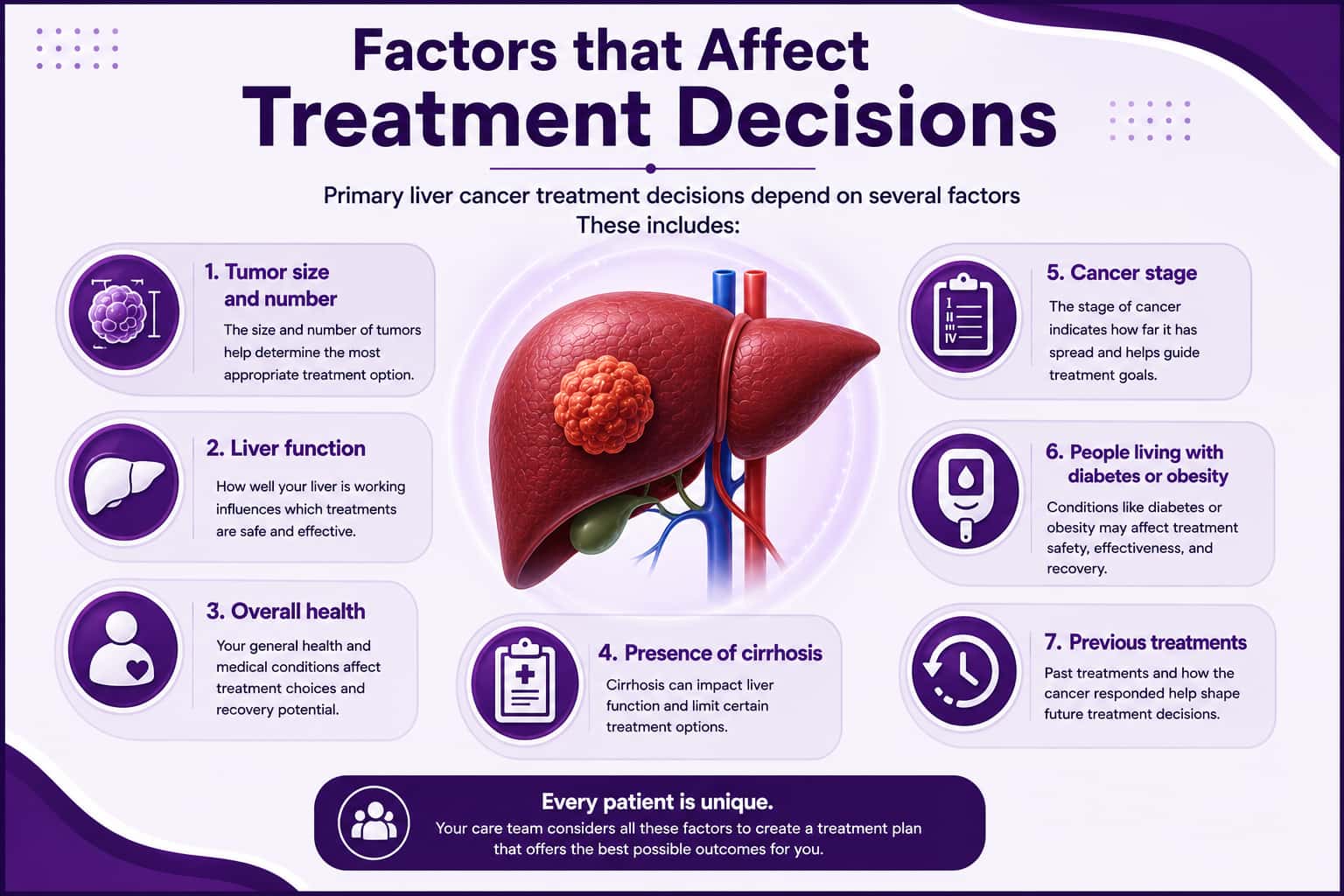
- Tumor size and number.
- Liver function.
- Overall health.
- Presence of cirrhosis.
- Cancer stage
- People living with diabetes or obesity.
- Previous treatments .
HBPSP
Hepatocellular Carcinoma Treatment Complete Guide to HCC Liver Cancer Treatment
Introduction
Hepatocellular carcinoma is a very specific type of liver cancer that originates in the liver cells. Fortunately, there are several options available for Hepatocellular carcinoma treatment. These include surgery, liver transplantation, ablation therapy, TACE, radiation therapy, targeted therapy, and immunotherapy. Today, thanks to the advancement in the field of medicine, many patients are living longer with Hepatocellular carcinoma.
The best Hepatocellular carcinoma treatment depends upon various factors. These include the size of the tumor, the stage, liver function, the patient’s age, overall health status and, most importantly, the spread. Therefore, every individual's situation is different and requires a customized treatment plan.

What is Hepatocellular Carcinoma?
Hepatocellular carcinoma begins in the liver cells, which we normally call hepatocytes. Moreover, it accounts for nearly 80% to 90% of primary liver cancers. It usually develops in people with chronic liver diseases such as cirrhosis. So people suffering from cirrhosis must pay extra attention to their health and routine checkups. Early diagnosis plays a crucial role in successful treatment. Consequently, individuals who suffer from hepatitis B or C and heavy alcohol use must remain aware of the risk of cancer formation. Understanding this disease and its early symptoms can save lives and help make informed decisions regarding Hepatocellular carcinoma treatment.
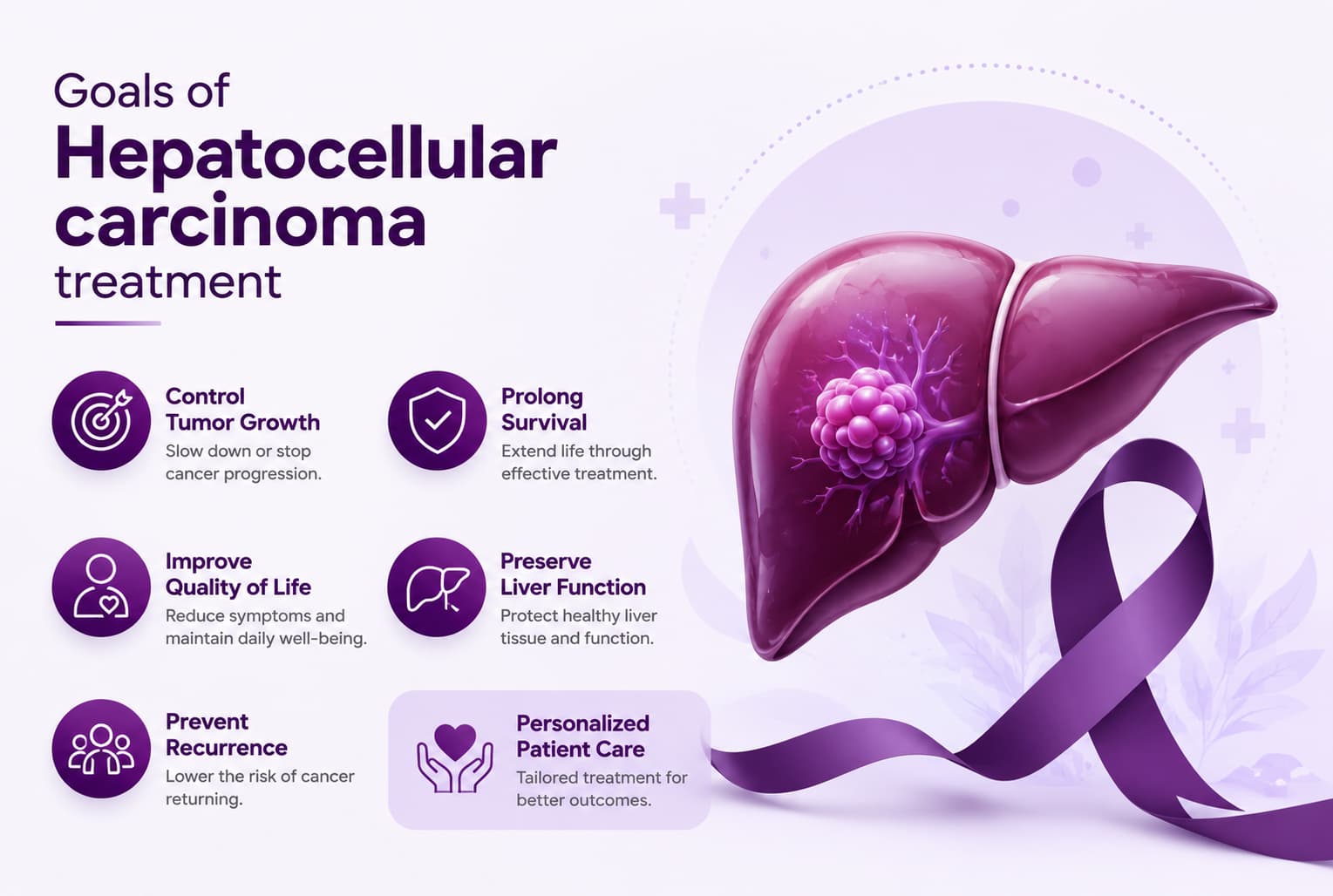
Goals of Hepatocellular carcinoma treatment
The primary goals of Hepatocellular carcinoma treatment are to eliminate the tumor, extend the patient's lifespan while preserving healthy liver function, and improve the patient's quality of life. However, the goals change based on the stage of the cancer.For early stages, curative treatments like surgery and liver transplantation aim to eliminate the tumor. In contrast, for advanced stages, the focus shifts to complicated procedures that slow cancer growth and provide symptomatic relief.Modern HCC liver cancer treatment focuses on providing personalized care. As a result, each patient receives a unique treatment plan with a combination of many therapies that are necessary to achieve better outcomes.
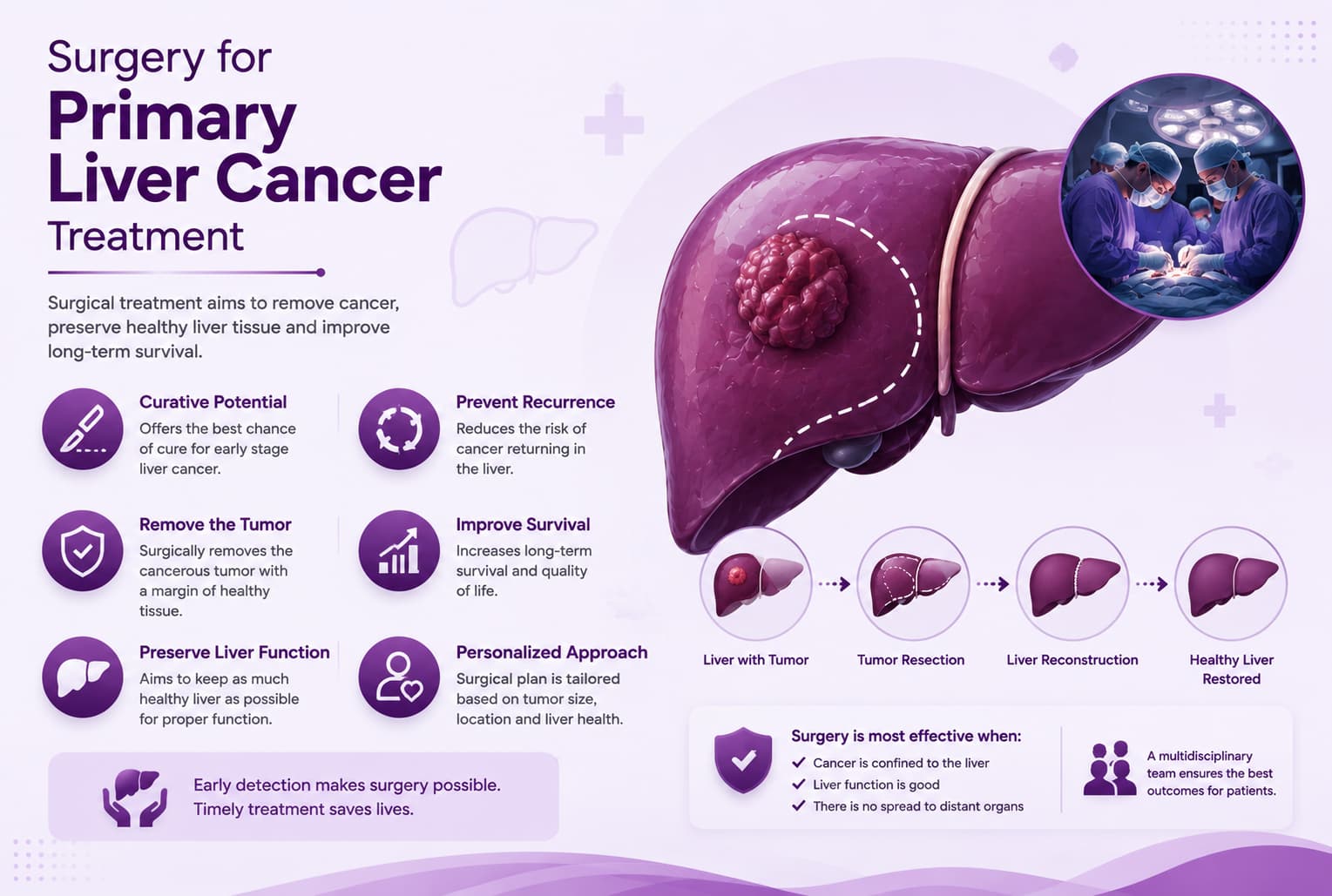
Surgery for Primary Liver Cancer Treatment
Surgical removal of the tumor remains one of the most effective ways for primary liver cancer treatment. Moreover, patients don't fall into the criteria for getting surgery if the cancer has spread beyond the liver or if they have poor liver function. We provide surgery to the patients who meet the following criteria, such as having a single tumor smaller than 5 cm, or multiple tumors smaller than 3 cm each, and good liver function. It removes the tumor along with a margin of healthy tissue around it while preserving most of the healthy liver tissue because the liver can regenerate. All in all, surgery continues to play a vital role in hepatocellular carcinoma treatment when the cancer is diagnosed at an early stage.
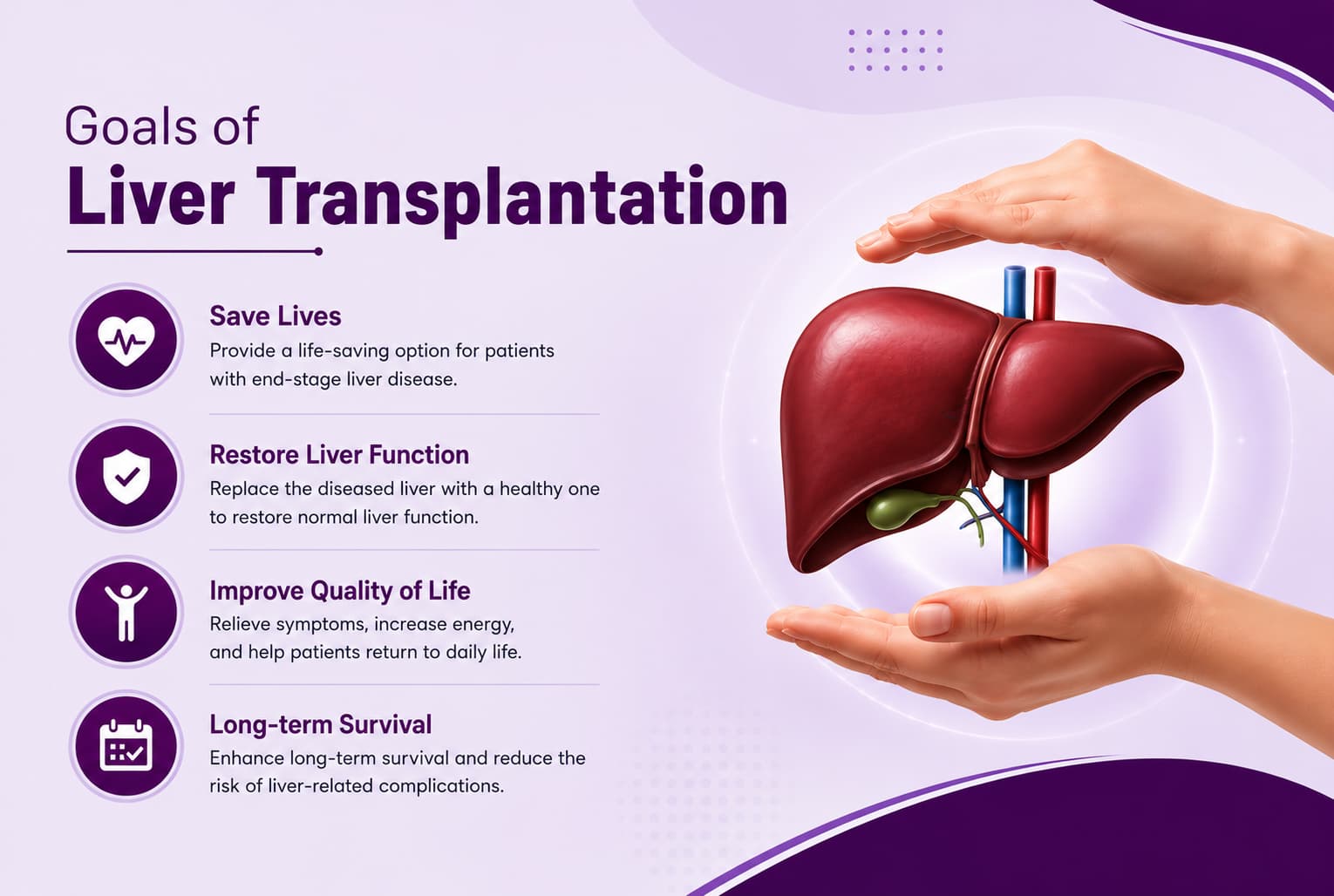
Liver transplantation
For selected patients with early-stage liver cancer, liver transplantation offers a chance at a cure for both liver cancer and underlying liver disease. Doctors usually recommend liver transplantation only for those who meet certain criteria. This significantly reduces the risk of recurrence and improves survival rates. Many specialists believe that transplantation serves as the best treatment option for early-stage liver cancer, particularly when the surgery is not possible.
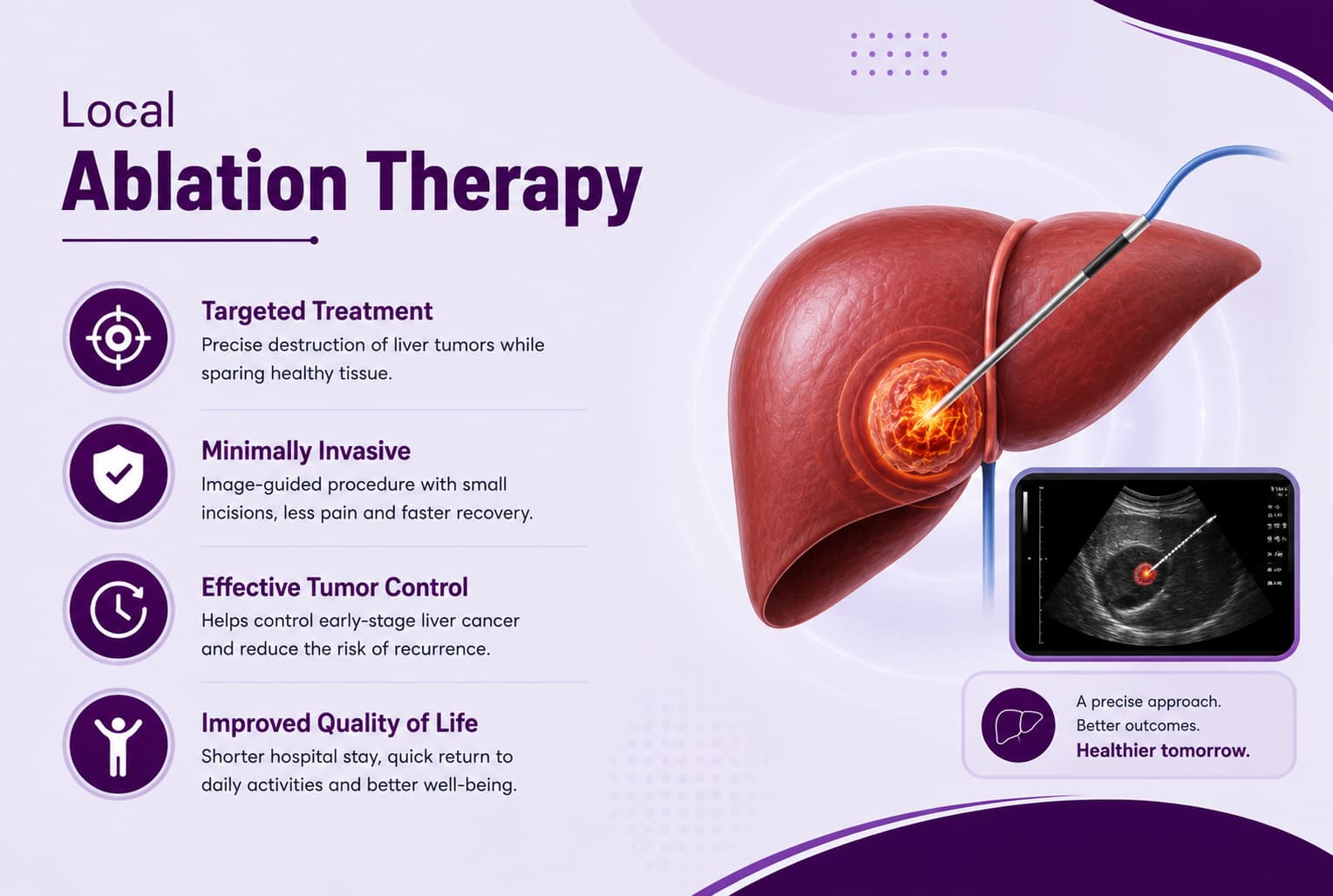
Local Ablation Therapy
Local ablation therapy removes the tumor without the need for open surgery. For instance, radiofrequency ablation uses heat to destroy the tumor, while cryoablation uses extreme cold to freeze the tumor. There are many other types of this therapy, like microwave ablation, high-intensity focused ultrasound, and percutaneous ethanol injection. This works best for the small tumors. Additionally, the recovery time is shorter and less painful compared to surgery. Many patients receive this therapy as part of the comprehensive HCC liver cancer treatment plan when surgery or liver transplantation is not an option.
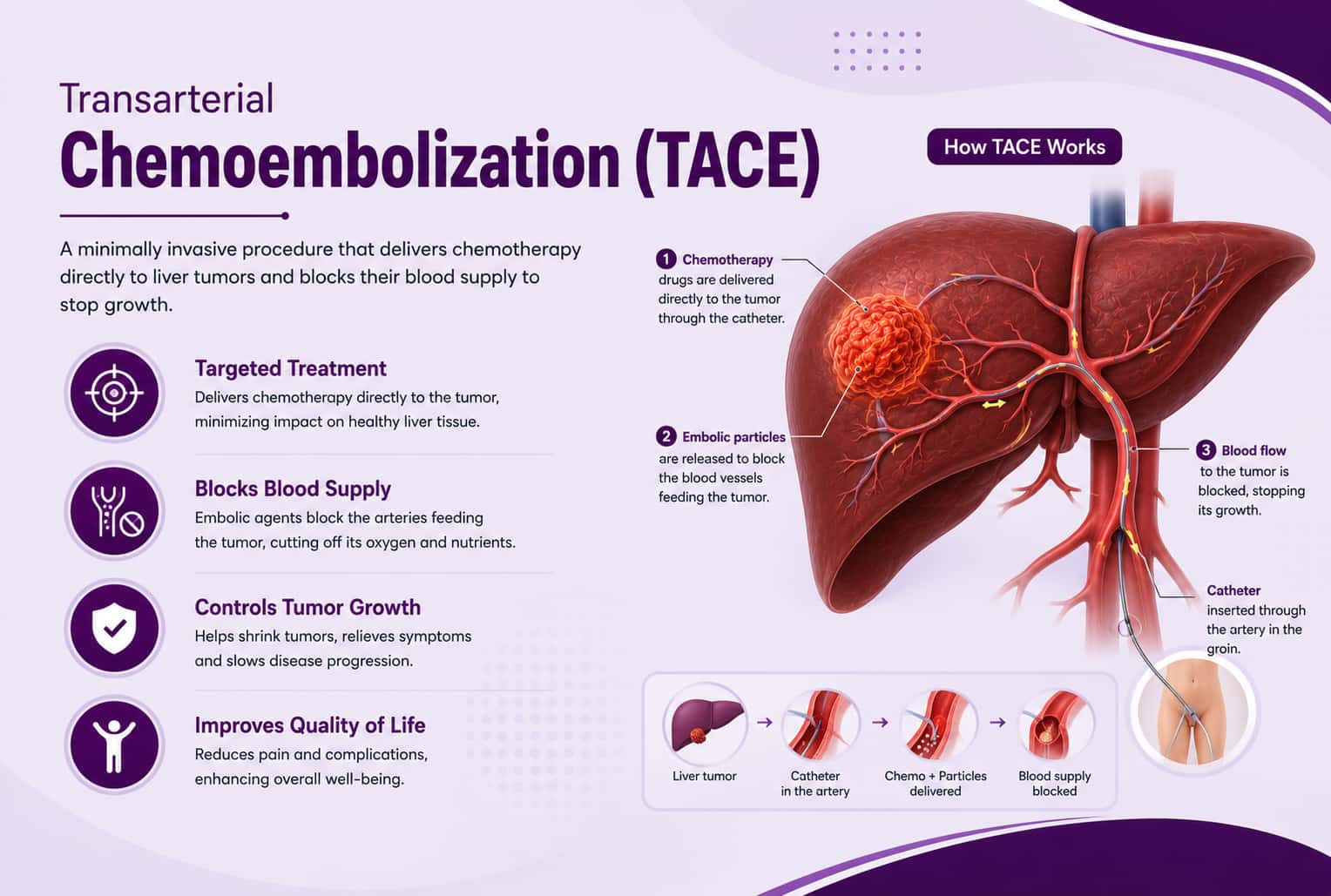
Transarterial Chemoembolization (TACE)
TACE involves injecting chemotherapy drugs directly into the hepatic artery. Next, they block the blood supply to the tumor, which starves the cancer cells. This treatment has become a popular and important option in hepatocellular carcinoma treatment, which caters to the needs of intermediate-stage liver cancer patients.
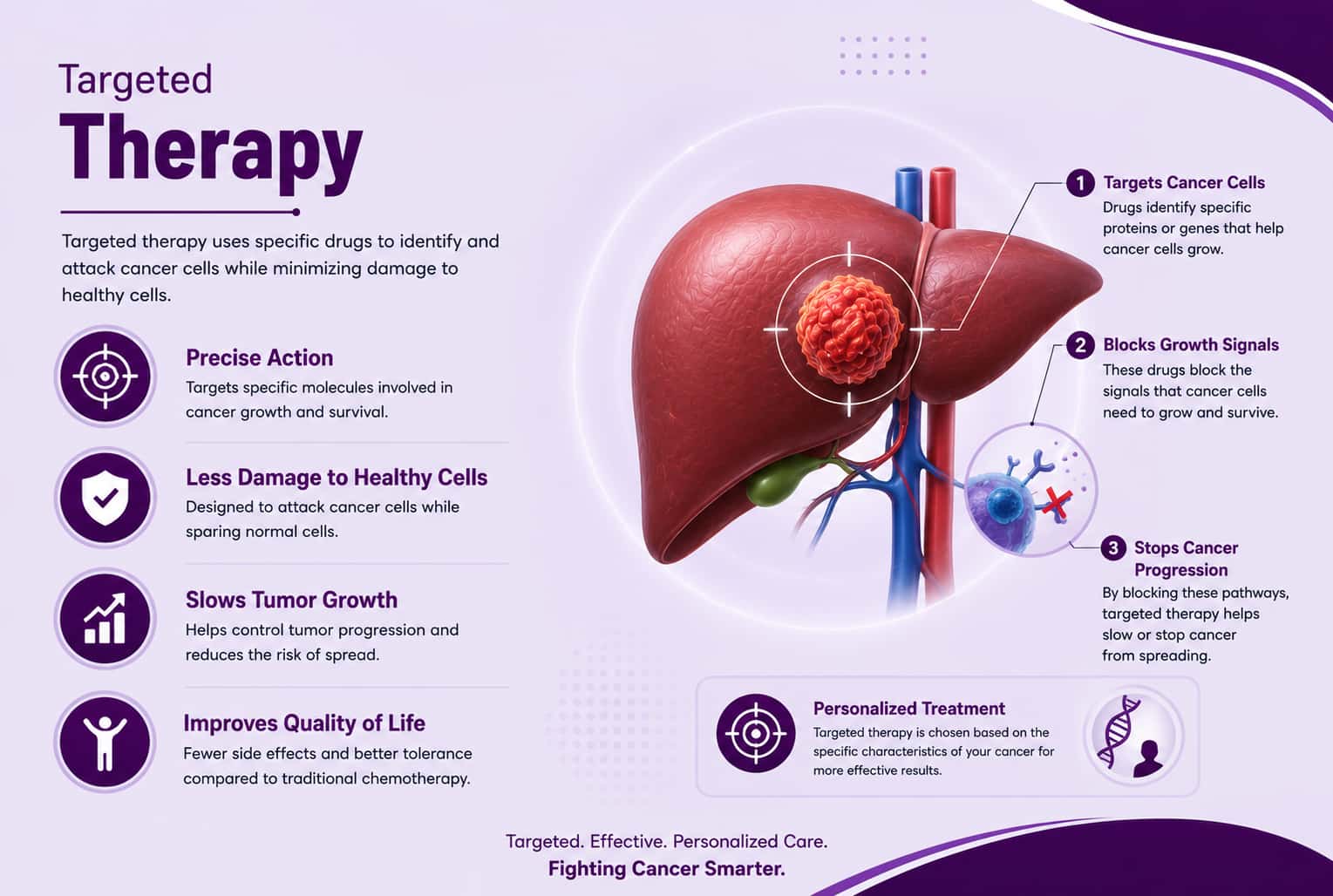
Targeted Therapy
Targeted therapy uses drugs that target specific molecules involved in cancer growth and control their activity. These drugs can be more effective and have fewer side effects than traditional chemotherapy. For example, conventional chemotherapy drugs like doxorubicin and gemcitabine are often used in combination with targeted therapy. Chemotherapy can not precisely target cancer cells, whereas targeted therapy can specifically attack cancer cells, leading to fewer side effects. Eventually, this has become an increasingly important option in the treatment of advanced liver cancer and a part of the hepatocellular carcinoma treatment strategy. Moreover, targeted therapies like sorafenib, lenvatinib, and cabozantinib are being researched further for HCC liver cancer treatment because of their effectiveness and fewer side effects in patients.
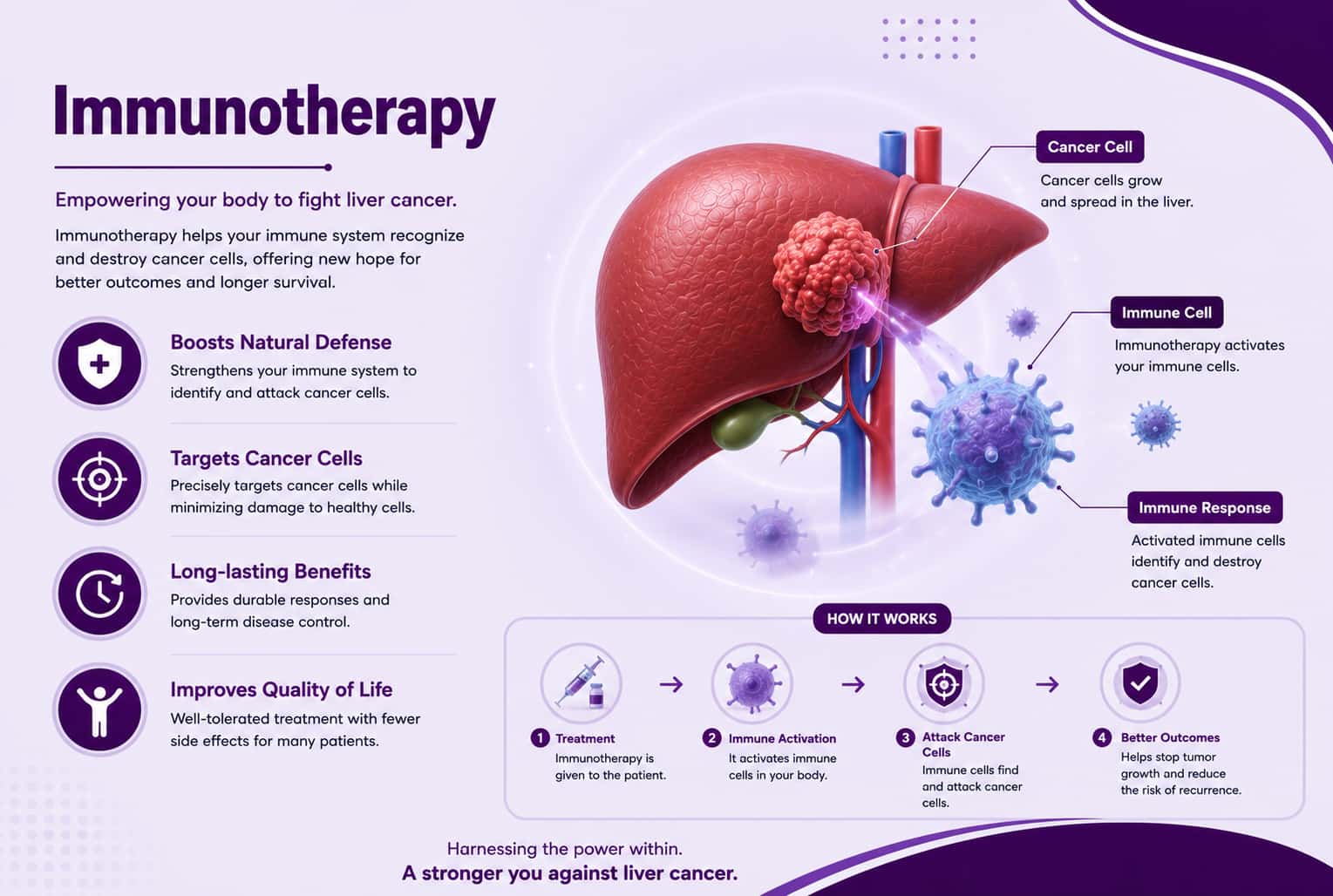
Immunotherapy
Immunotherapy has transformed the hepatocellular carcinoma treatment landscape by stimulating the immune system to recognize and attack cancer cells. Furthermore, it can be used alone or in combination with other treatments, such as targeted therapy or chemotherapy, to improve outcomes. Moreover, combination therapies like nivolumab and ipilimumab have shown promising results in clinical trials for advanced liver cancer. In the present day, immunotherapy remains a promising treatment option for primary liver cancer.
Radiation therapy
Radiation therapy uses high-energy particles or waves to destroy cancer cells and is less common for the liver cancer treatment due to the liver's sensitivity to radiation. However, in some selected cases, doctors still use it. Highly focused doses of advanced radiation techniques, such as stereotactic body radiation therapy (SBRT), can be used to treat liver cancer while protecting the healthy liver tissues. HCC liver cancer treatements gets complimented by radiation therapy rather than replacing it.

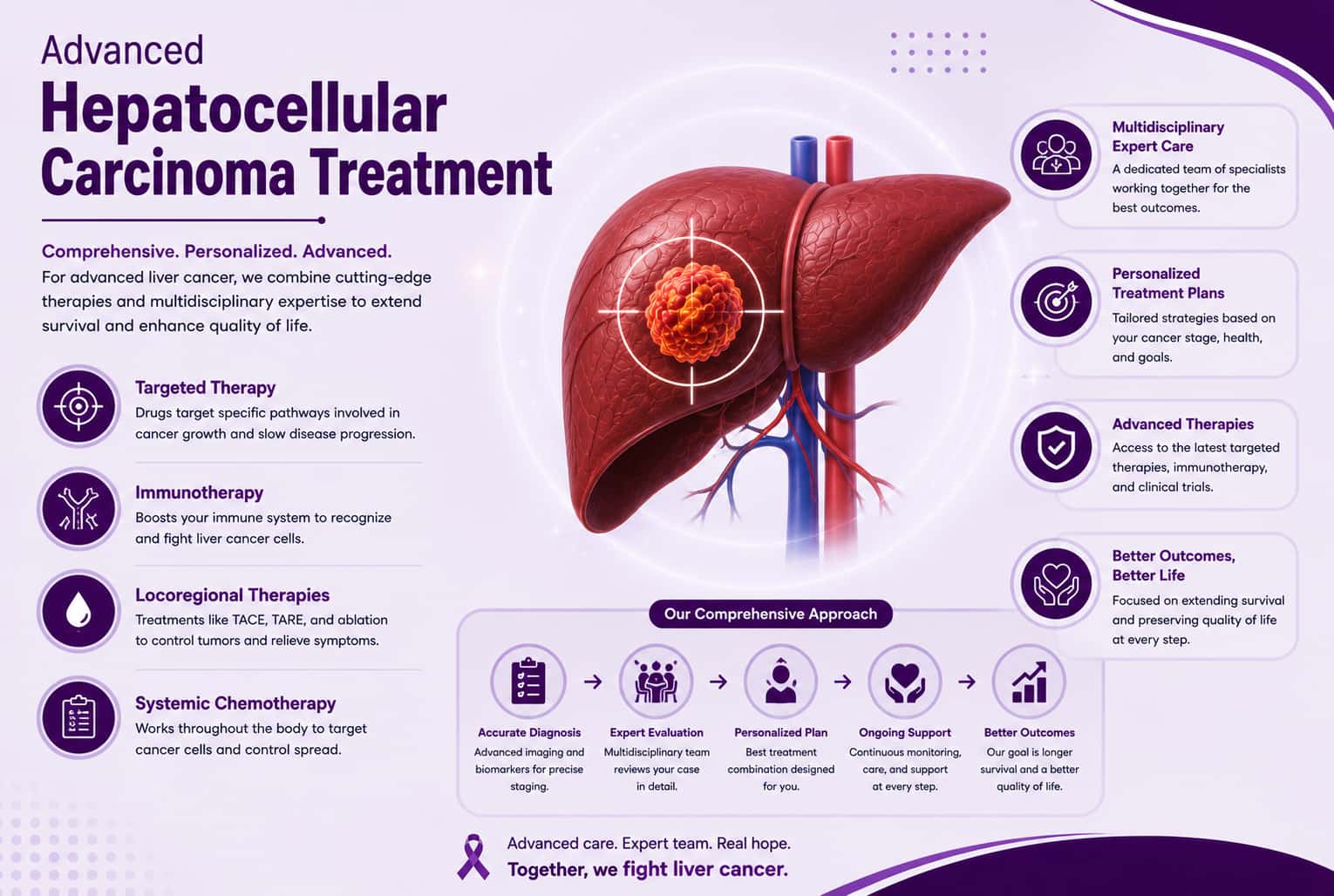
Advanced Hepatocellular Carcinoma Treatment
A multidisciplinary approach combining various treatments is provided for advanced hepatocellular carcinoma treatment. Specialists evaluate the treatment procedure based on the patient's overall health, tumor size, vascular invasion, and location, among other factors. Depending upon the patient’s condition, a combination of surgery, radiation therapy, chemotherapy, targeted therapy, and immunotherapy may be recommended. Although greater challenges are faced in treating advanced liver cancer, the advancements of medical research on hepatocellular carcinoma treatment continue to provide hope for patients.
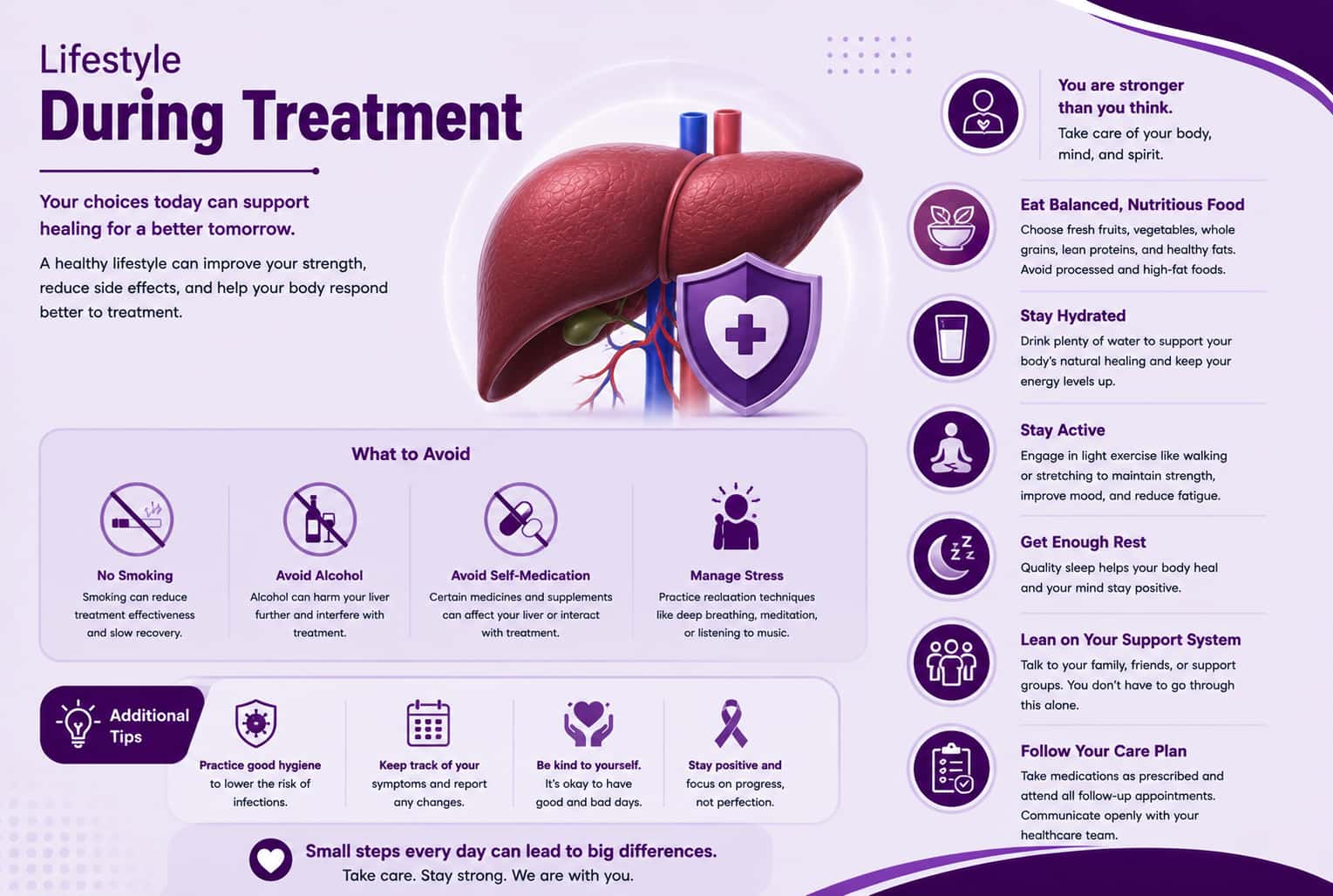
Lifestyle During treatment
Most of the patients undergoing liver cancer treatment forget the importance of healthy lifestyle habits that support the hepatocellular carcinoma treatment and recovery process. Maintaining a healthy diet, getting regular exercise, and avoiding alcohol and tobacco can significantly improve a patient's quality of life during treatment and aid in recovery.
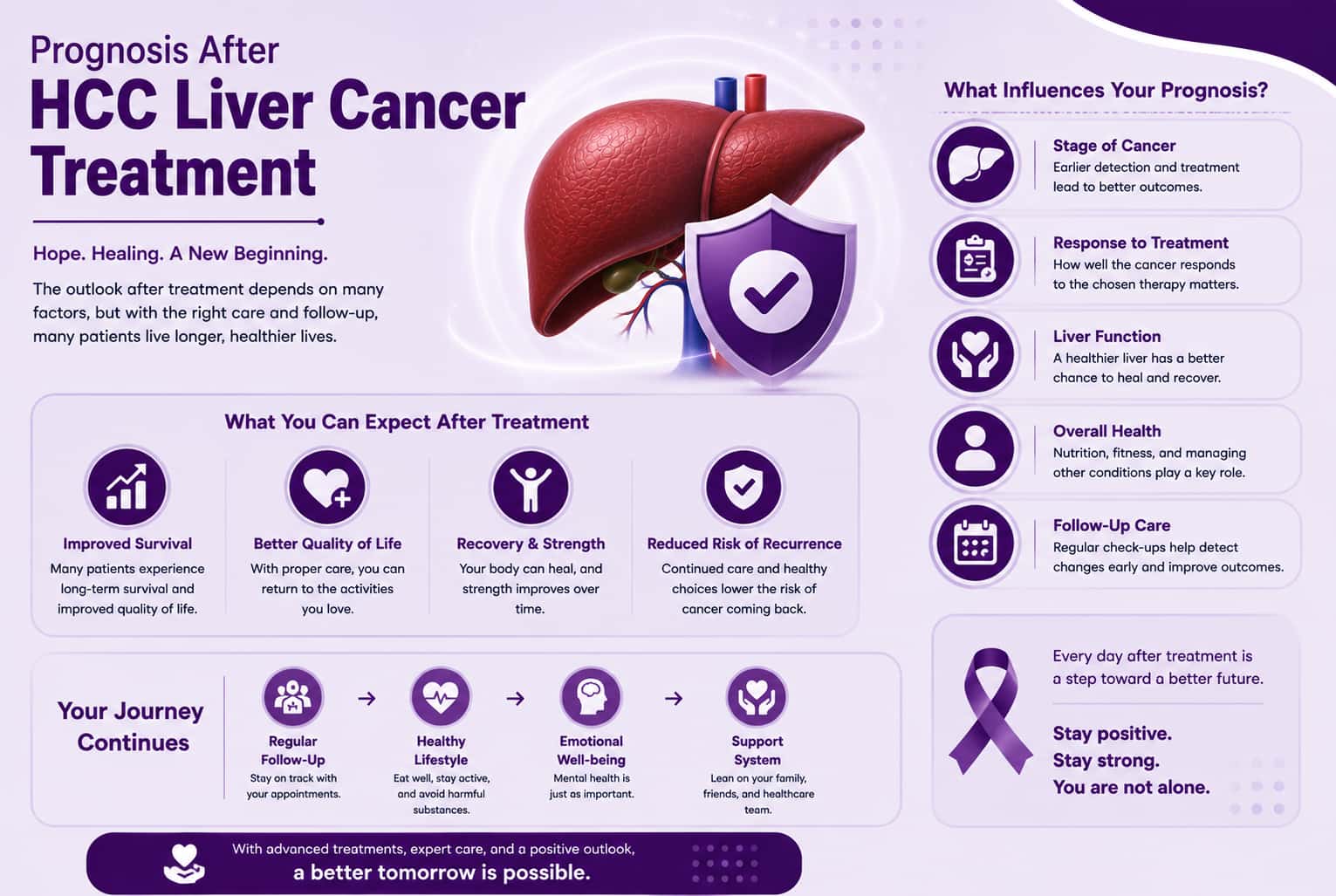
Prognosis After HCC Liver Cancer Treatment
Patients who are diagnosed at an early stage and receive appropriate treatment can have a better prognosis than those diagnosed at later stages. Regular monitoring and follow-up care allow the doctors to adjust HCC liver cancer treatment plans as needed.
Frequently Asked Questions
Unlike liver metastasis, where the cancer starts elsewhere and spreads to the liver, hepatocellular carcinoma (HCC) is a primary liver cancer that begins in the liver itself. This originates inside the liver and does not come from other organs.
There serves not one single best treatment for hepatocellular carcinoma (HCC), as it largely depends on the stage of the cancer and the patient's unique medical condition. However, surgical resection, liver transplantation, and radiofrequency ablation (RFA) remain the most effective options for primary liver cancer treatment.
Yes, immunotherapy has been the greatest intervention for treating hepatocellular carcinoma (HCC). Especially, in cases where the cancer has spread beyond the liver. Drugs like nivolumab and pembrolizumab have shown promising results in clinical trials. Moreover, the FDA has approved them for the treatment of advanced HCC. moreover specialist combine it with targeted therapy for better results.