

HBPSP

LIVER CANCER: SYMPTOMS, CAUSES, TYPES, STAGES, AND TREATMENT

Liver Cancer

Liver cancer has affected most of the population in Pakistan, and in the medical field, it is a serious condition worldwide. Therefore, understanding what liver cancer is, how it develops, and how we can treat it can save a lot of lives. The general and detailed discussion regarding this matter can help the patient to fully understand the liver cancer-promoting discovery, treatment, and precautions.

Additionally, if we diagnose this early can dramatically improve outcomes. In this article, we will cover all of the essential facts, with links provided in each section leading to detailed articles for deeper reading and understanding.

liver cancer
Liver cancer

What is liver cancer?

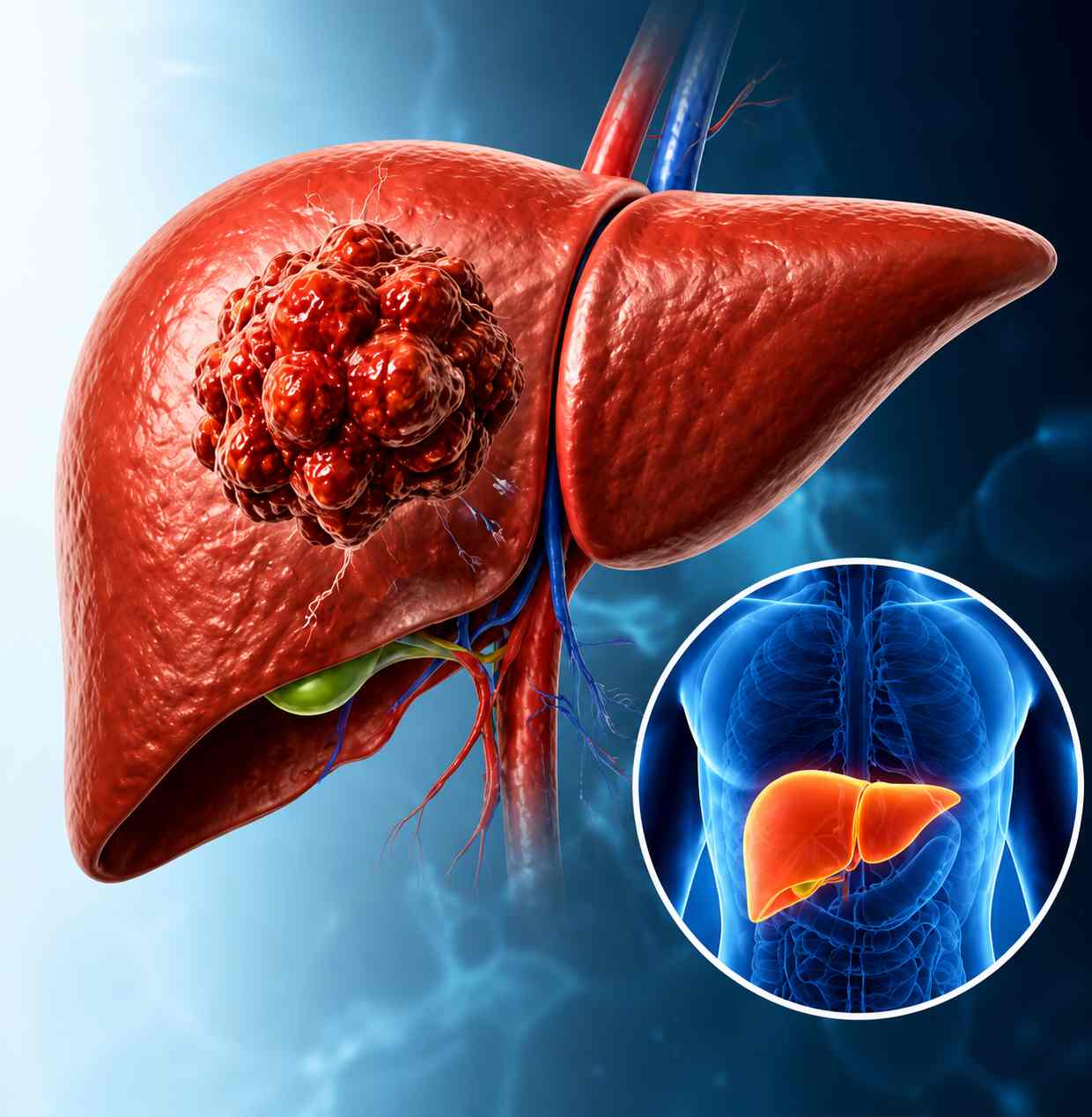
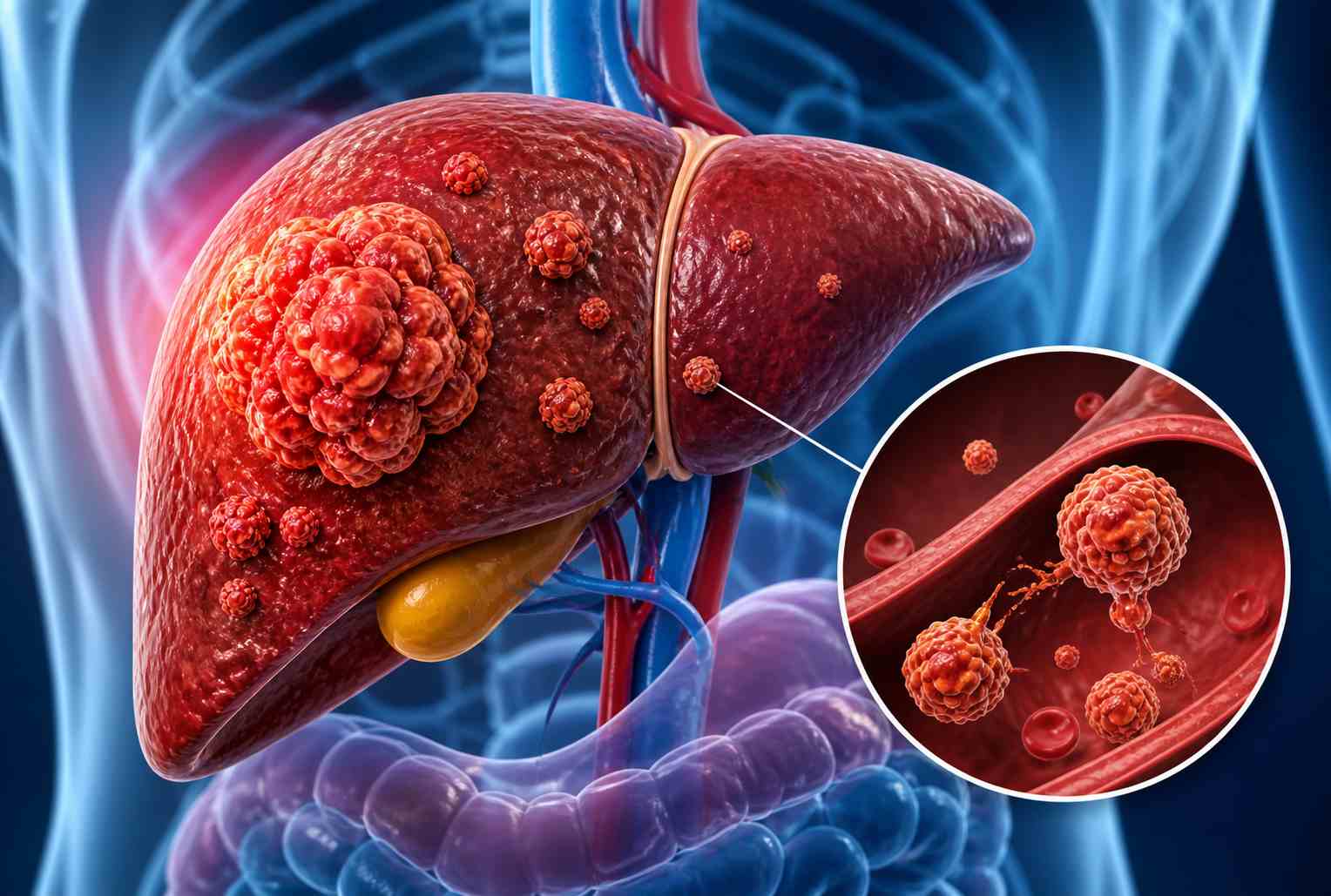
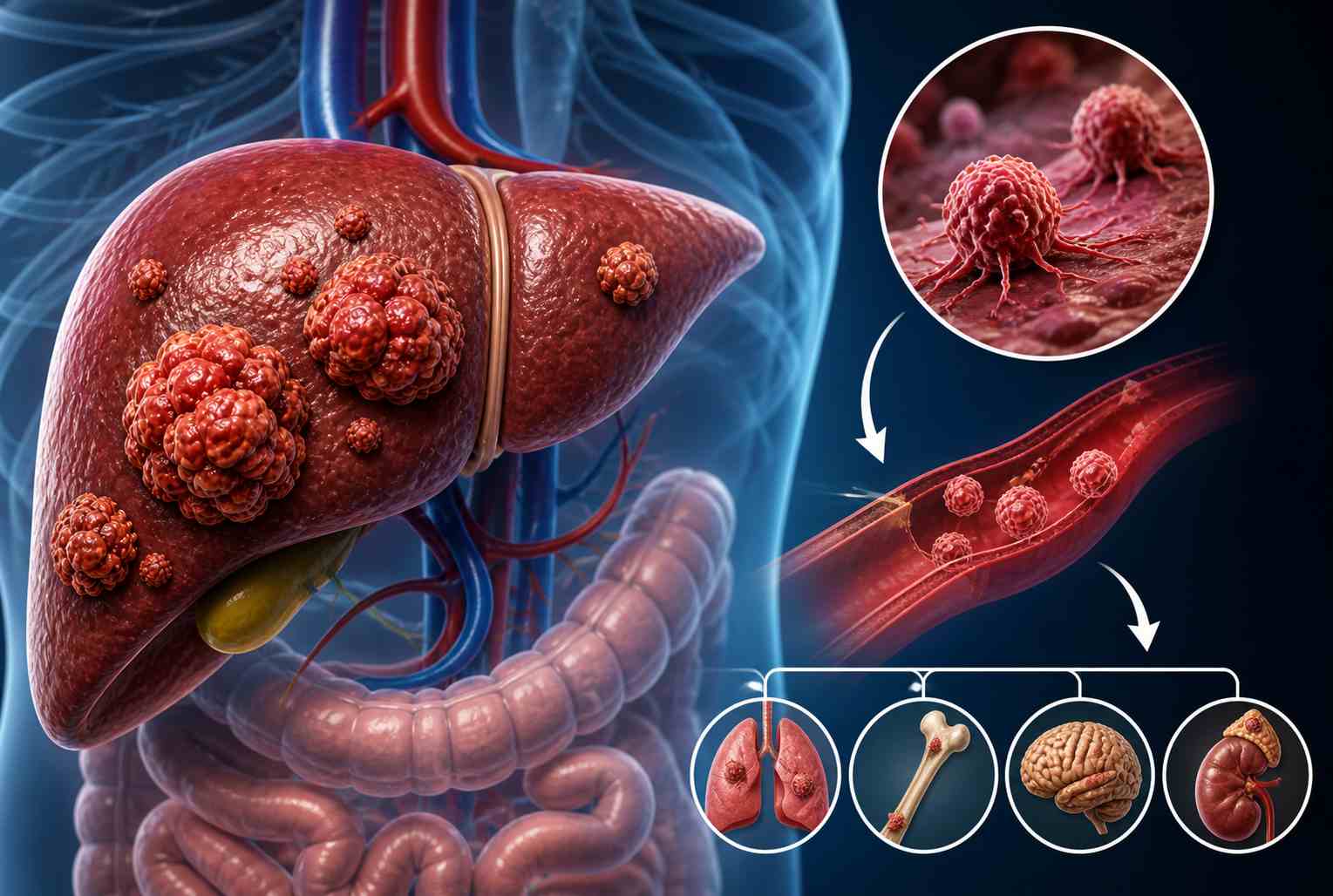
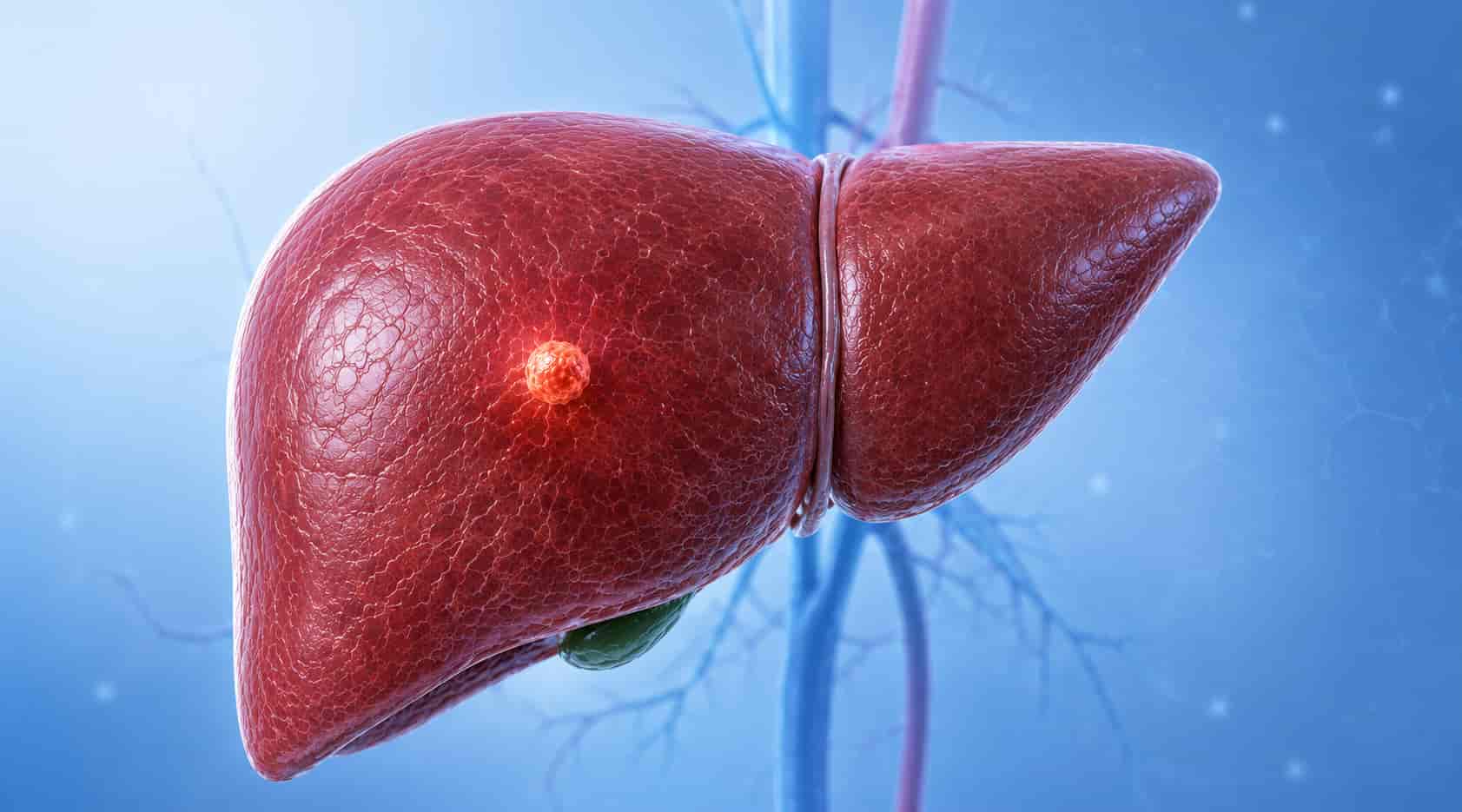
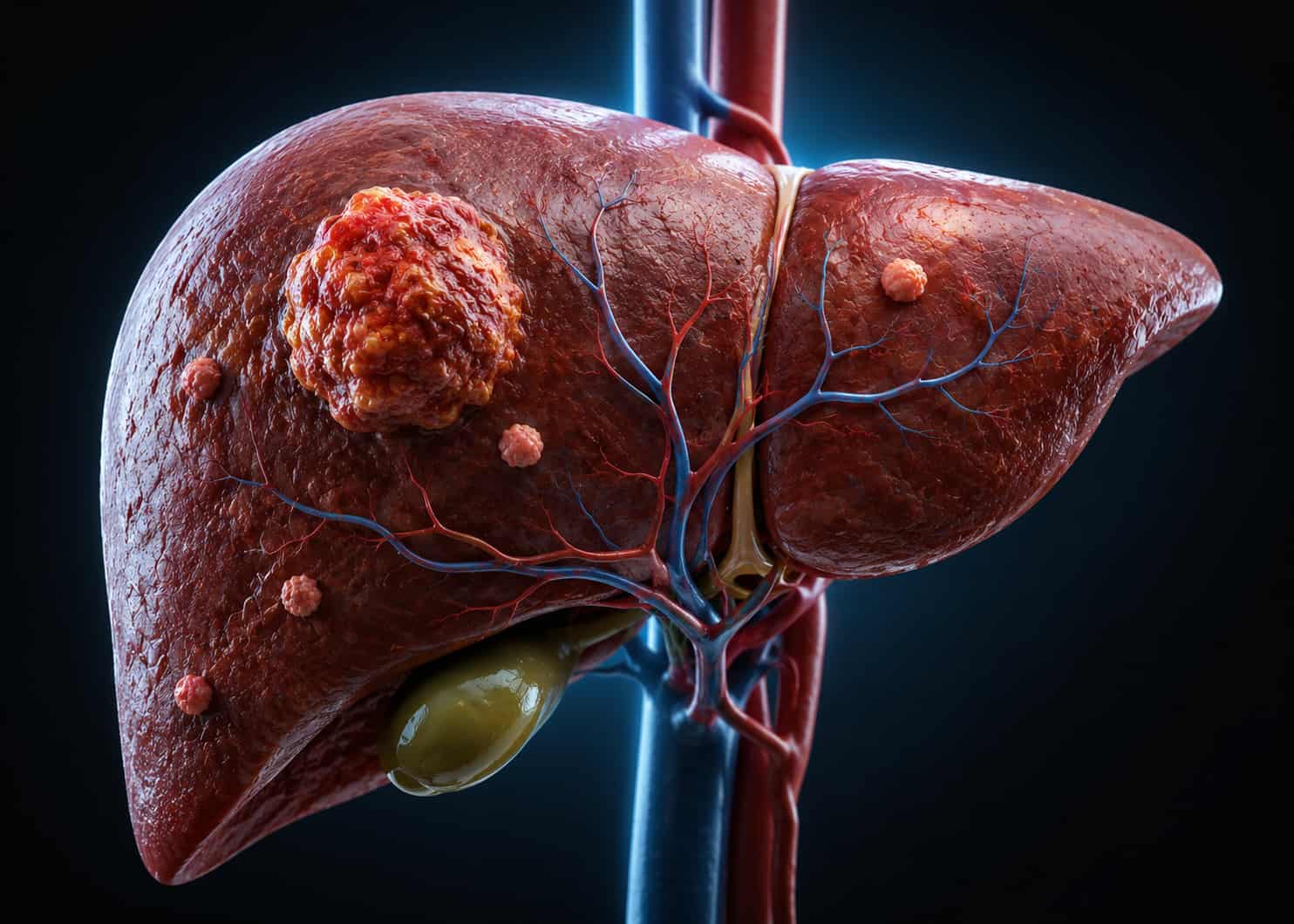
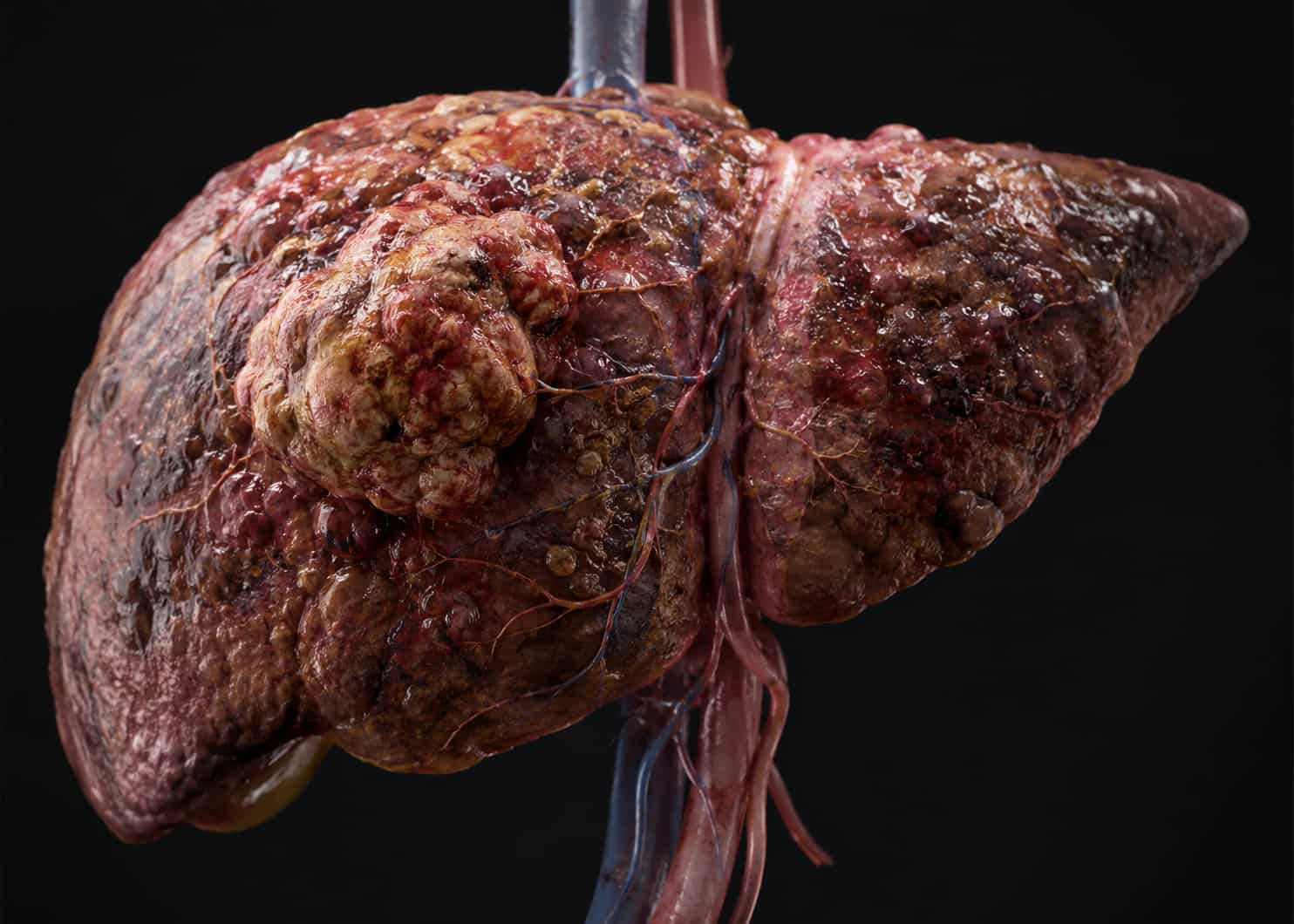
Liver cancer starts when abnormal cells in the liver grow rapidly without any check. As a result, the liver develops lumps of cells or tumors that damage the normal functioning of the liver. The hard part of this is that it does not confine itself only to the liver, but when those cells get into the bloodstream, they can travel to other organs or to the surrounding organs as well.

Liver Vital Functions

What exactly is liver cancer?

In simpler terms, it is a type of cancer that initially starts in the liver. We call it primary liver cancer. Furthermore, the worst part is that it travels to other places, which we call secondary or metastatic liver cancer.

The liver serves as a vital organ that does a lot of tasks, including blood filtration, toxin disposal, and helping with digestion. As a result, when tumors grow, it affects it working, which affects the normal functioning of the body.

The Good News

The good news is that the early detection of liver cancer makes a significant difference. Furthermore, knowing the symptoms, causes, and treatment options can help you or your loved one to eliminate this disease and live a happy and healthy life. Let's walk through everything step by step to ensure you have enough knowledge to make the right step towards a liver cancer-free life.

HPBSP

Types of Liver Cancer

Several types of liver cancer affect people, and they are not essentially the same.

Hepatocellular Carcinoma (HCC)

Hepatocellular Carcinoma (HCC) takes the first place as the most common known liver cancer in humans. This liver cancer begins in the main liver cells, known as hepatocytes. HCC liver cancer is usually linked to the long-term liver damage from hepatitis B, hepatitis C, or cirrhosis.

Cholangiocarcinoma

We link Cholangiocarcinoma to cancer of the bile ducts inside the liver. We consider it less common but serious.

Angiosarcoma

Angiosarcoma begins in the blood vessels of the liver. Side notes include a rare cancer that tends to grow rapidly.

Hepatoblastoma

Hepatoblastoma serves as another type common among young children.

Liver Hemangioma vs Cancer Diagnosis

Liver Hemangioma And Cancer

Some of the conditions are non-cancerous, but are like benign tumors, are non cancerous as they don't spread to other places. Liver hemangioma, made by blood vessels, is non-cancerous. Hence, it may sound alarming, but it is not cancer. Still, it is important to differentiate liver hamangioma vs cancer carefully, as during the diagnosis, they show similar signs on imaging scans.

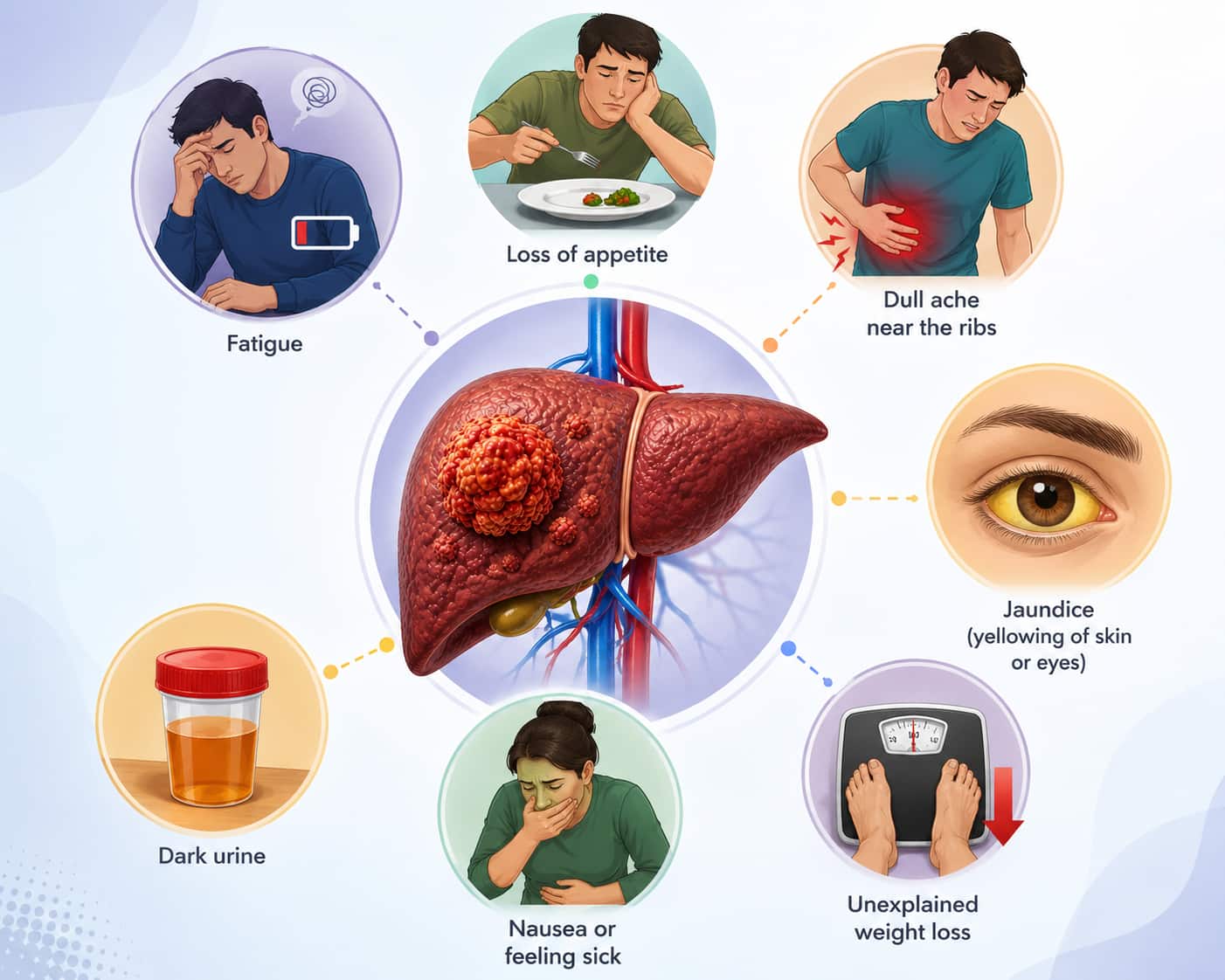
Liver cancer symptoms

Recognizing liver cancer can lead to early detection, which can potentially save lives. Unfortunately, most of the people remain unaware of cancer until it reaches the last stage. For this, we have provided a list of the symptoms that should not be neglected and must be reported immediately

Pain or discomfort in the upper right side of the abdomen

Unexplained weight loss

Loss of appetite

Nausea and vomiting

Yellowing of the skin and eyes (jaundice)

Swelling in the abdomen

Unusual fatigue or weakness

White or chalky stools

Liver cancer symptom check

Early signs of liver cancer

Early signs of liver cancer can be quite subtle. People do not catch them and mistake them for other diseases. Some people notice mild fatigue, a slight loss of appetite, or a dull ache near the ribs. Hence, these are minor issues that lead to late reporting to the doctor. If we catch them early, it can help us fight the cancer better.

Early signs of liver cancer
Liver cancer symptoms in women

Liver cancer symptoms female

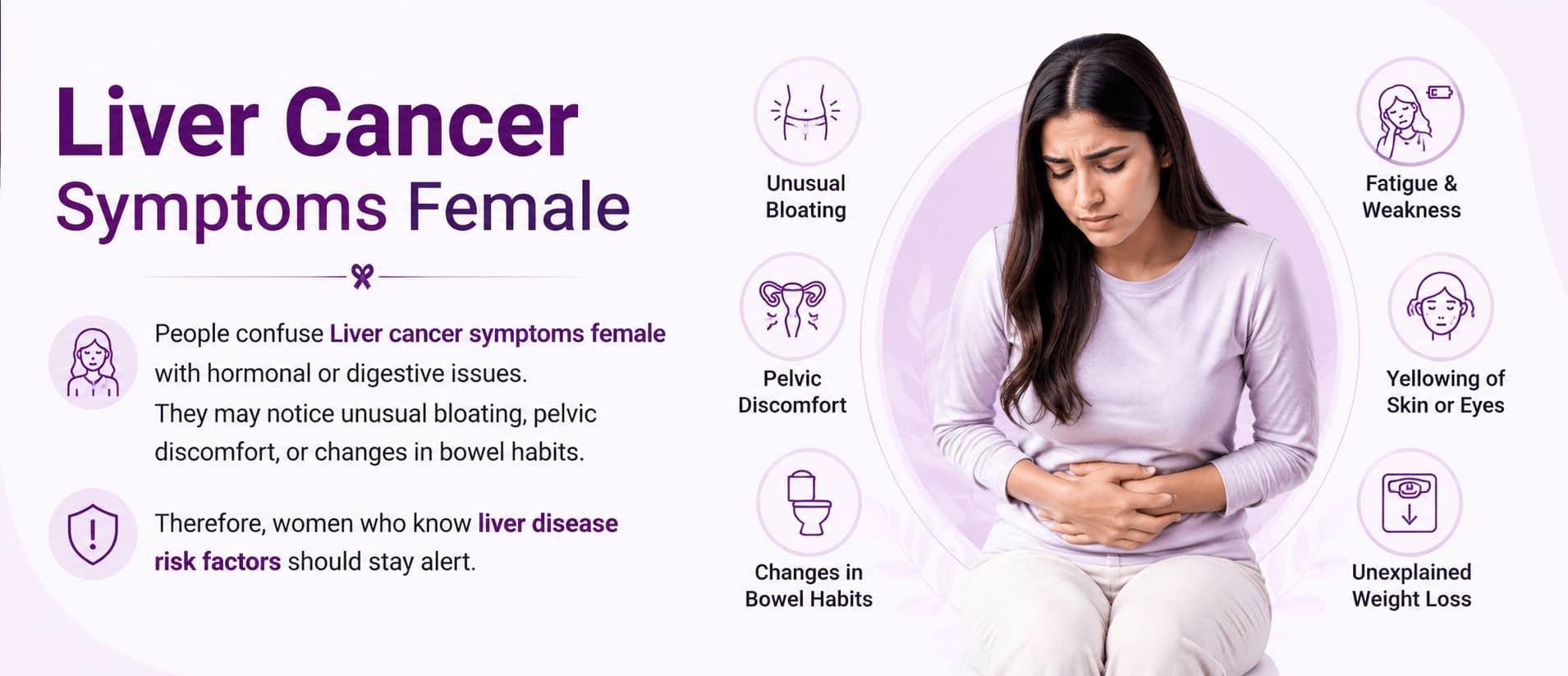
People confuse Liver cancer symptoms female with hormonal or digestive issues. They may notice unusual bloating, pelvic discomfort, or changes in bowel habits. Therefore, women who know liver disease risk factors should stay alert.

Liver cancer symptoms in men

Liver Cancer Symptoms Male

Doctors classify liver cancer symptoms male different from those of females. The common symptoms include more visible weight loss, muscle wasting, and abdominal pain. In comparison with females, the percentage of males is high, and they are more likely to develop liver cancer. This can happen because of many factors, including alcohol use and hepatitis B infection.

Causes of Liver Cancer

Understanding liver cancer causes can significantly help with awareness and prevention. Most of the risk factors that cause liver cancer are well established, and many of them are preventable through good measures.

Hepatitis B and C

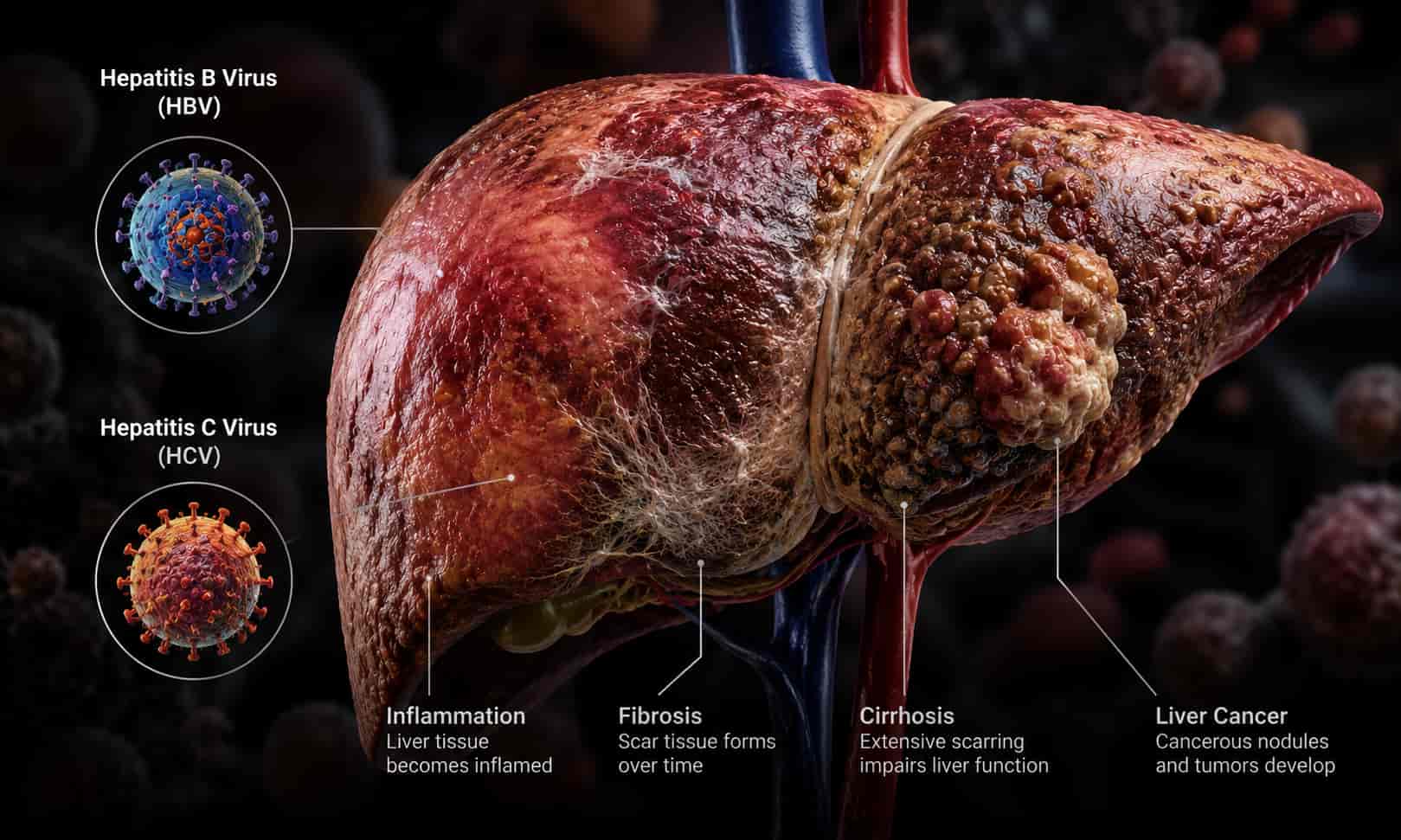
Hepatitis B is a viral disease because a virus causes it. They can cause liver cancer when the virus causes long-term inflammation and scarring of the liver. Similarly, hepatitis B can cause liver cancer. In fact, chronic infection of either of these diseases is one of the top risk factors worldwide for liver cancer.

Hepatitis Viruses

Does smoking cause liver cancer?

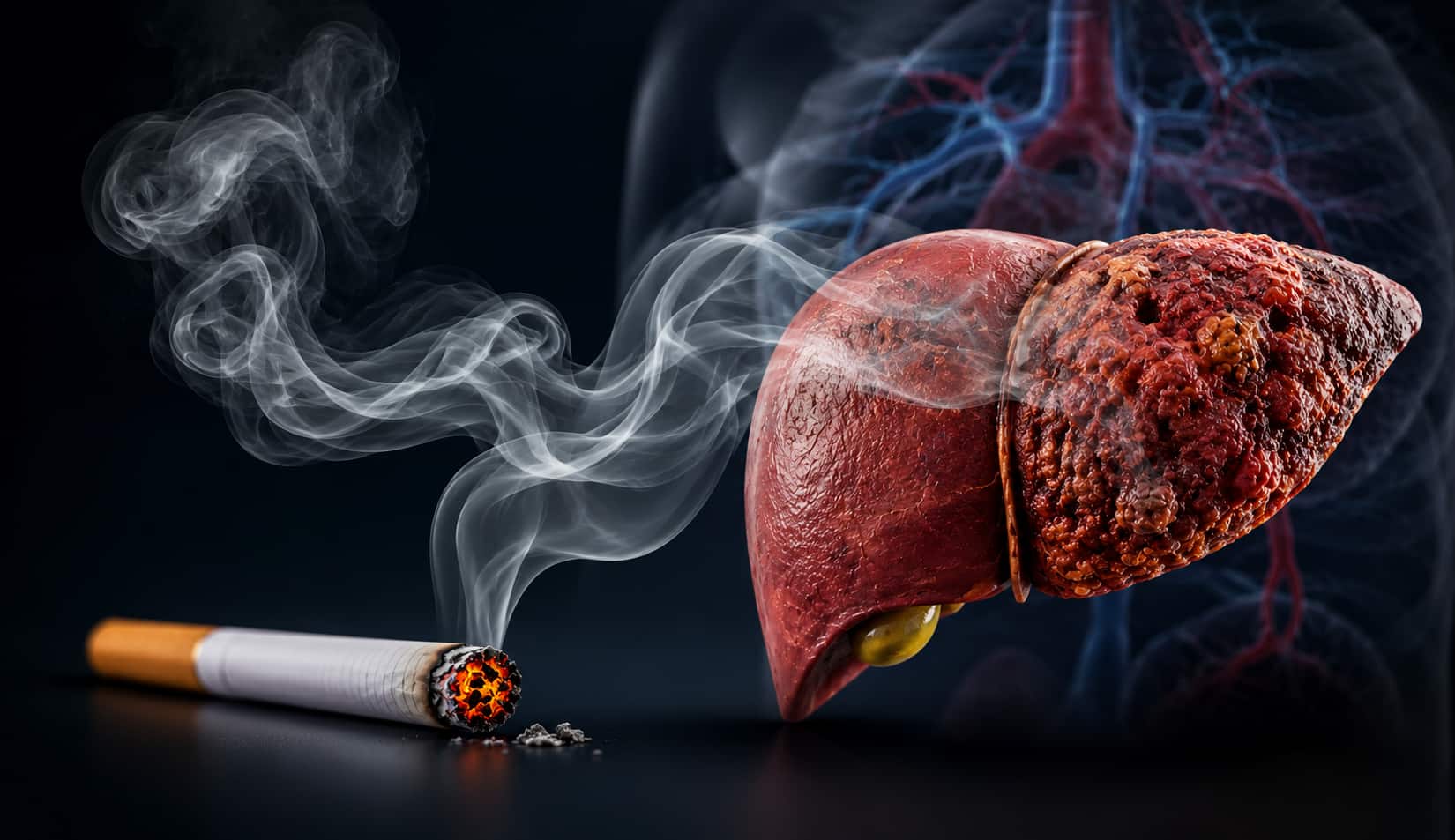
Yes, research shows that smoking does cause liver cancer. This is common in people who already have other risk factors like hepatitis or cirrhosis. Tobacco smoke contains many harmful chemicals that can directly damage liver cells over time.

Smoking Impact

Alcohol and Lifestyle Factors

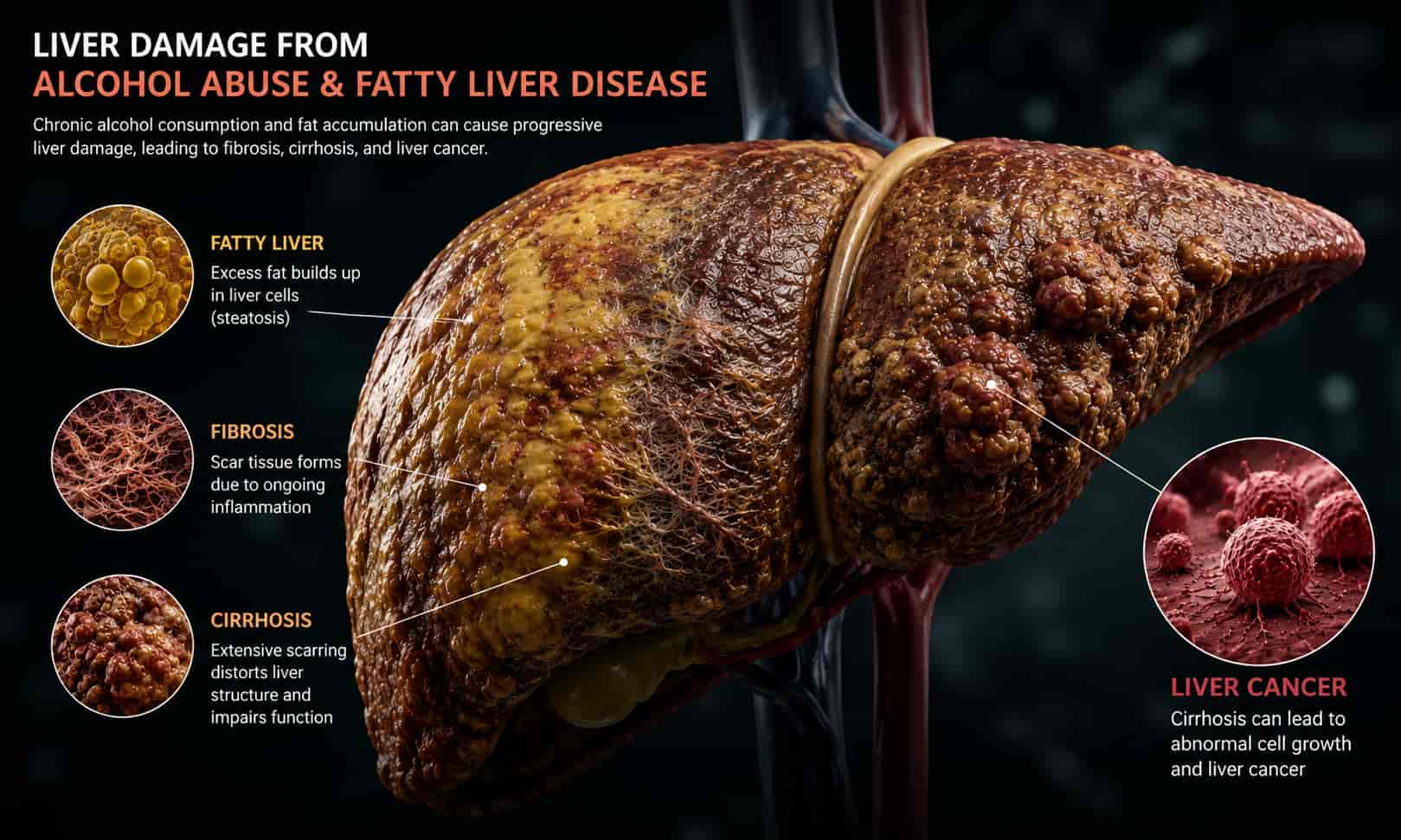
Heavy alcohol consumption leads to cirrhosis, which significantly raises the cancer risk. Other than alcohol, obesity and type 2 diabetes have been linked with the non-alcoholic fatty liver disease, which is another pathway to liver cancer.

Liver Progression

Aflatoxins

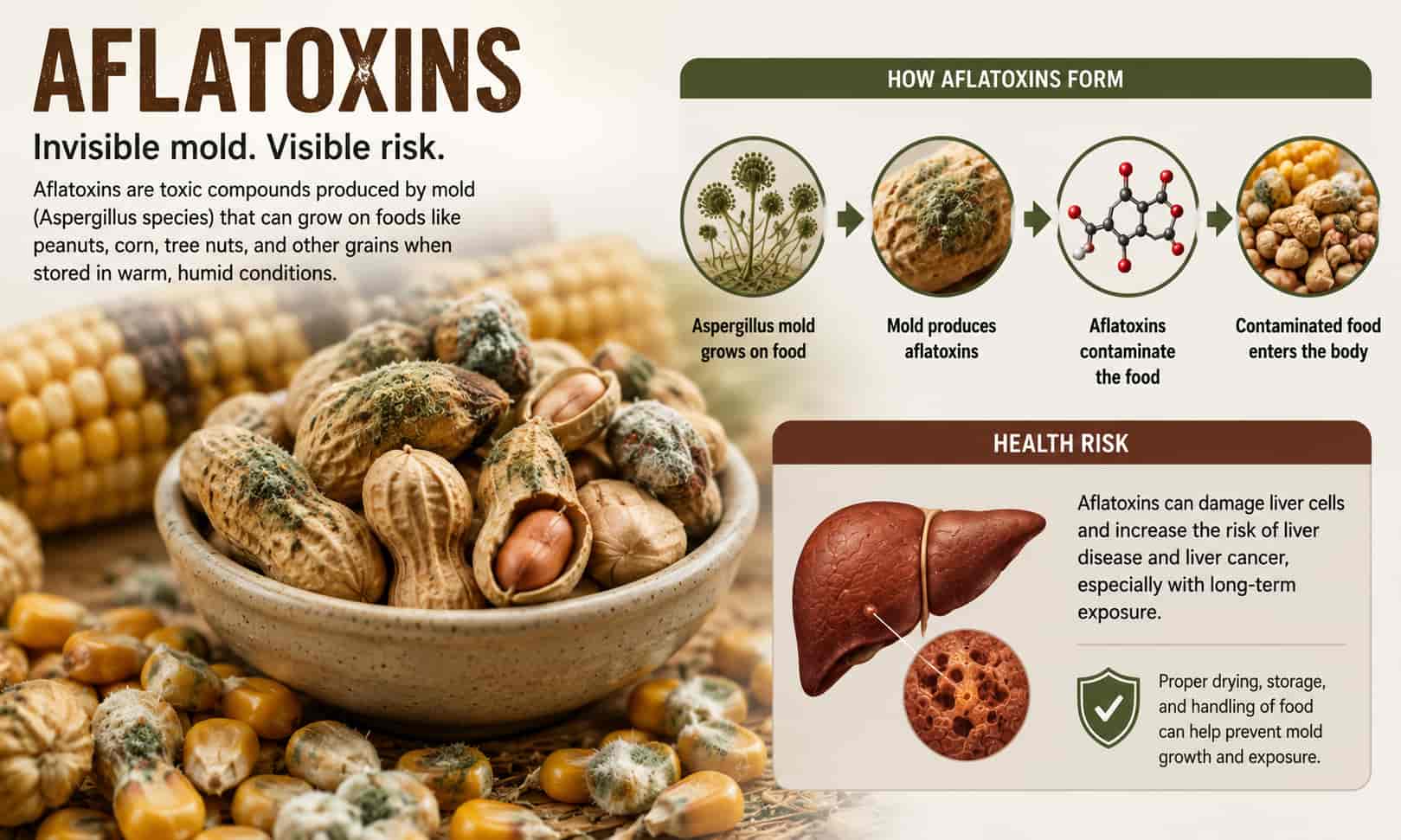
Aflatoxins are some chemicals produced by the molds that grow on food. If we don’t store the food hygienically, then these molds grow on the food. Research has shown that aflatoxins are a significant cause of liver cancer, and they are common in Asia and Africa.

Aflatoxin Mold

Diagnosis and staging of liver cancer

Once you observe the symptoms and report them to the doctor, the doctor runs several tests or tools to diagnose cancer and determine the stage of the cancer.

Step 01

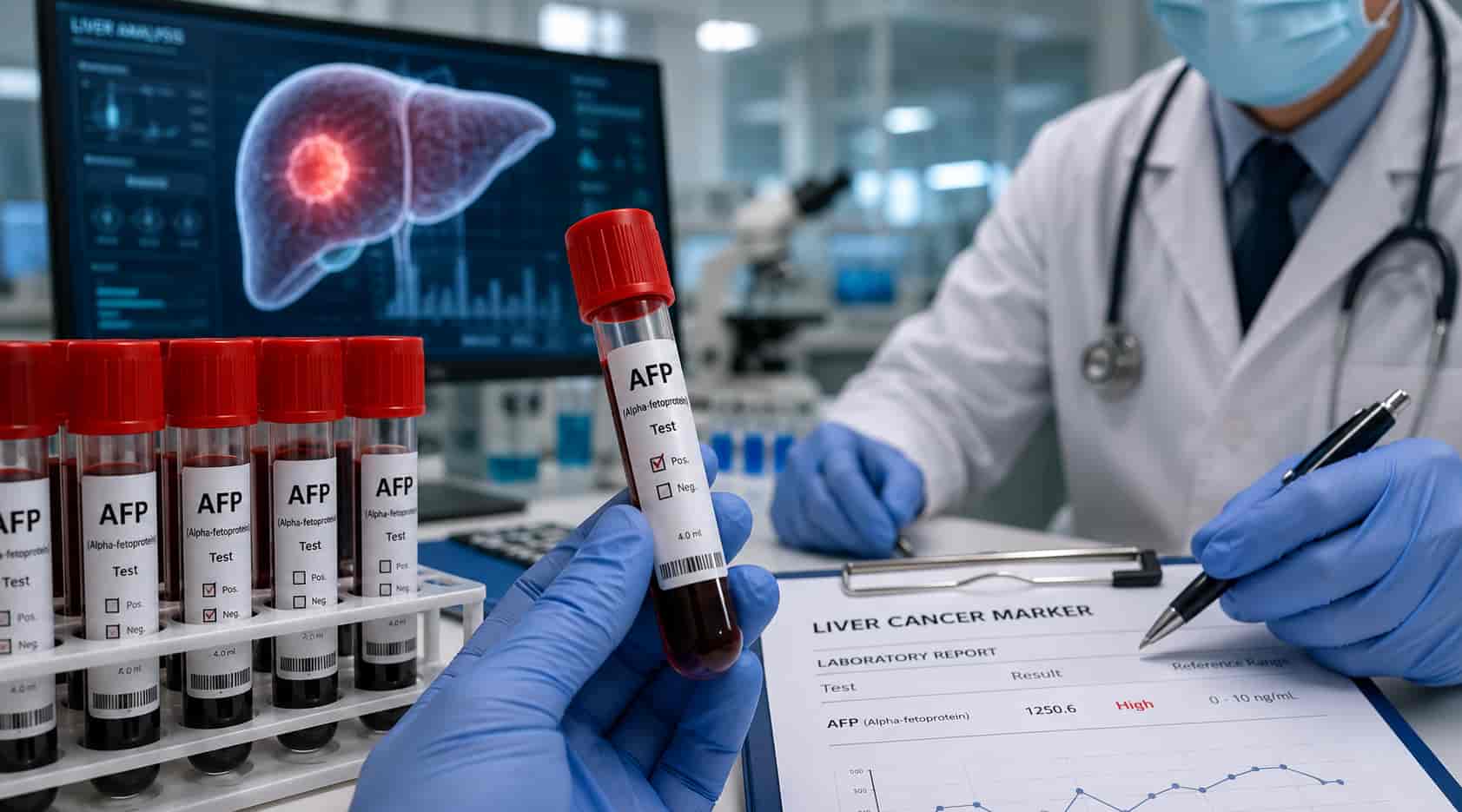
Blood tests

In the blood tests, doctors look for the protein Alpha-fetoprotein (AFP), which is often elevated in patients with liver cancer.

Blood Analysis
Step 02

CT Scan Liver cancer

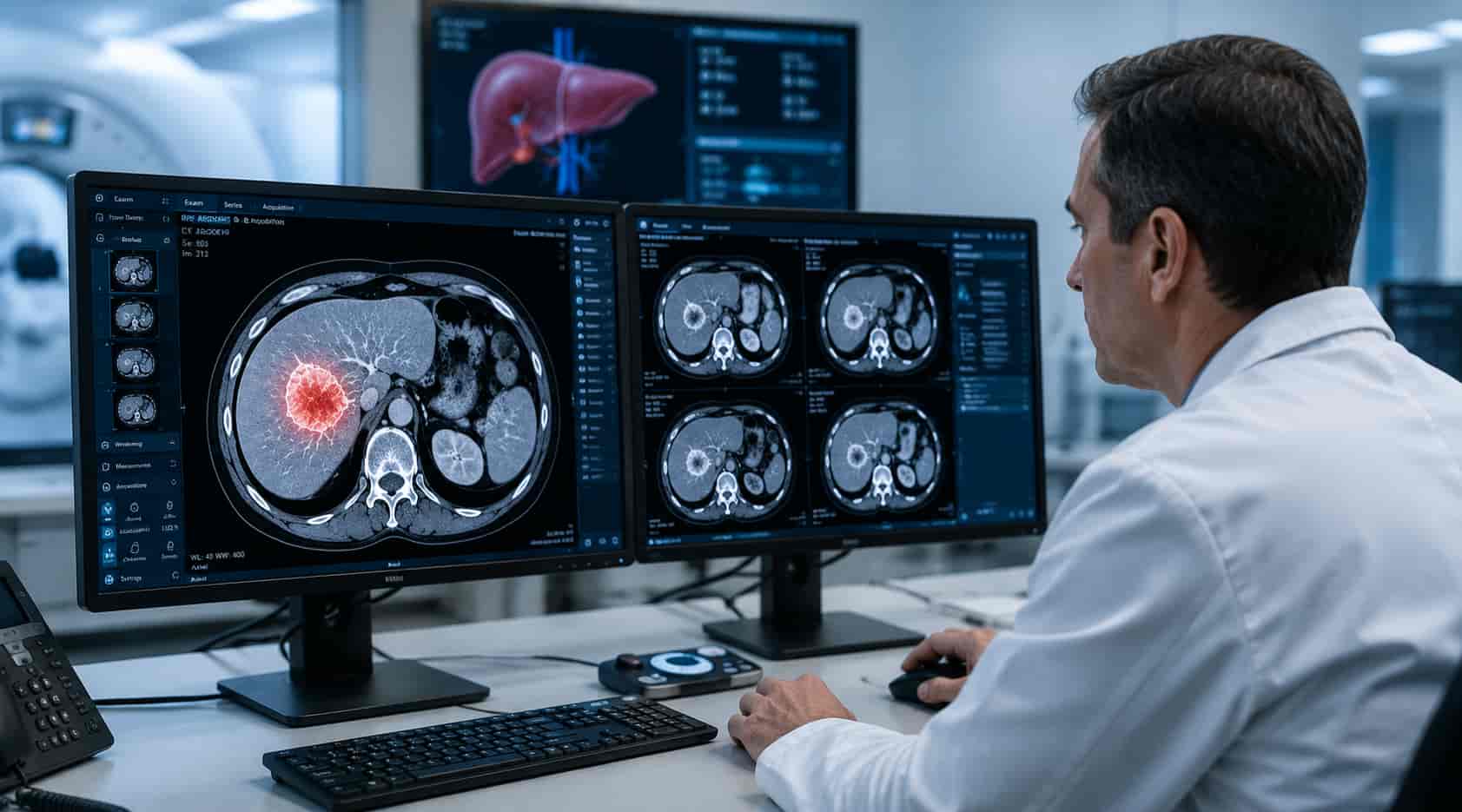
Moving on, the CT scan of liver cancer provides detailed cross-sectional images of the liver. Doctors see the size and the exact location of the tumour from these scans.

CT Scan
Step 03

MRI and Ultrasound

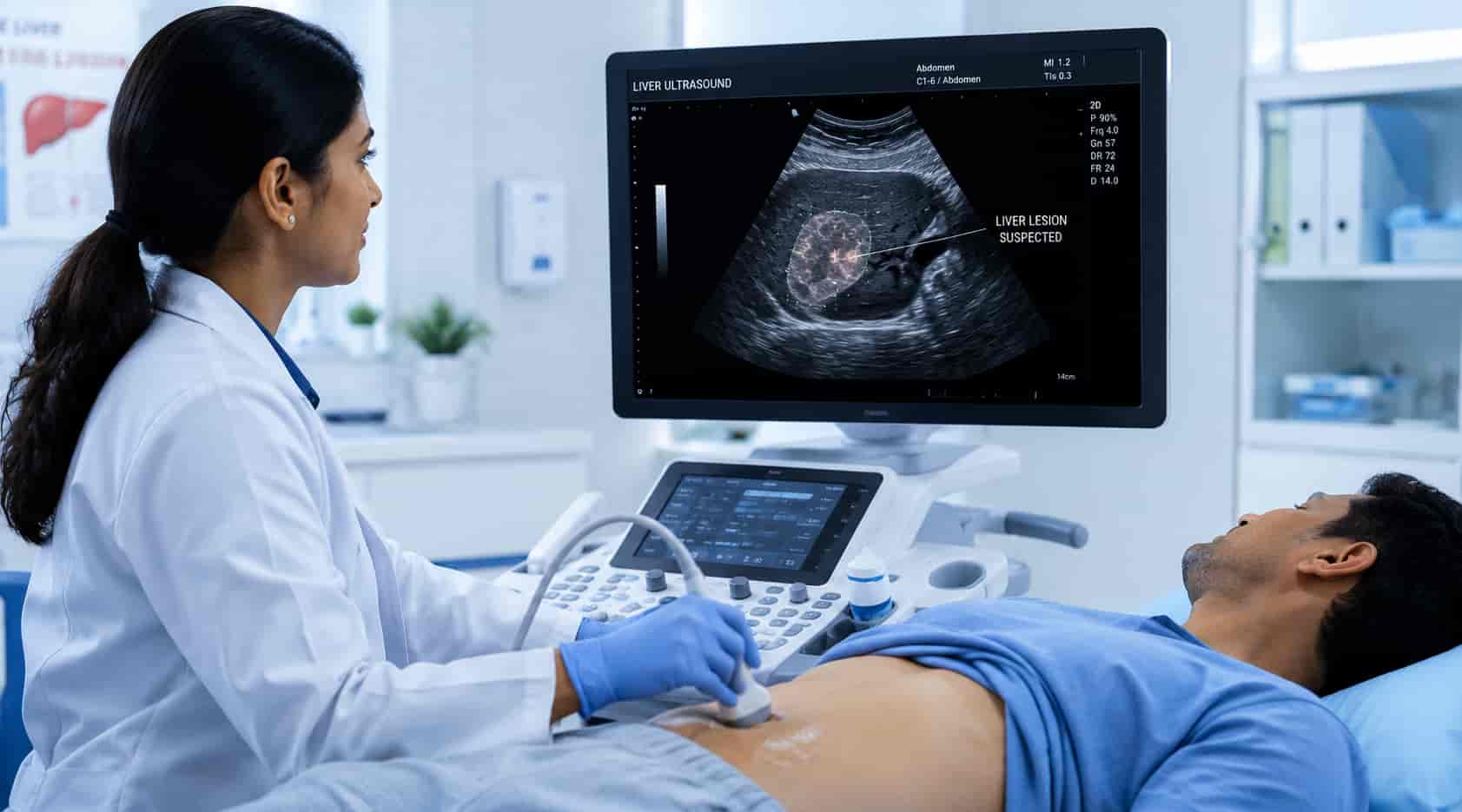
Furthermore, these tests allow the doctors to see the abnormal growth that is linked to liver cancer.

ultrasound
Step 04

Biopsy

In some cases, doctors may take a part of the sample tissue from the regions showing abnormalities. Laboratory workers perform Different laboratory tests, including examination under the microscope, to diagnose liver cancer.

Biopsy

Liver cancer stages

Liver cancer stages are the measure that doctors use to rank the progress of the cancer. However, understanding liver cancer allows doctors to plan the treatment and give patients a clearer picture of what they can expect in the future.

Liver Cancer Stage 1

Stage 1

This stage refers to the diagnosis of only one tumor that is confined to only one place in the liver. Hence, this is the earliest and most treatable stage.

Liver Cancer Stage 2

Stage 2

Doctors, when observing one large tumor or multiple small tumors that have not been spread to lymph nodes or distant organs, usually refer to this stage as stage 2.

Liver Cancer Stage 3

Stage 3

This stage 3 cancer refers to the stage where the cancer or large tumors have begun to affect the nearby blood vessels.

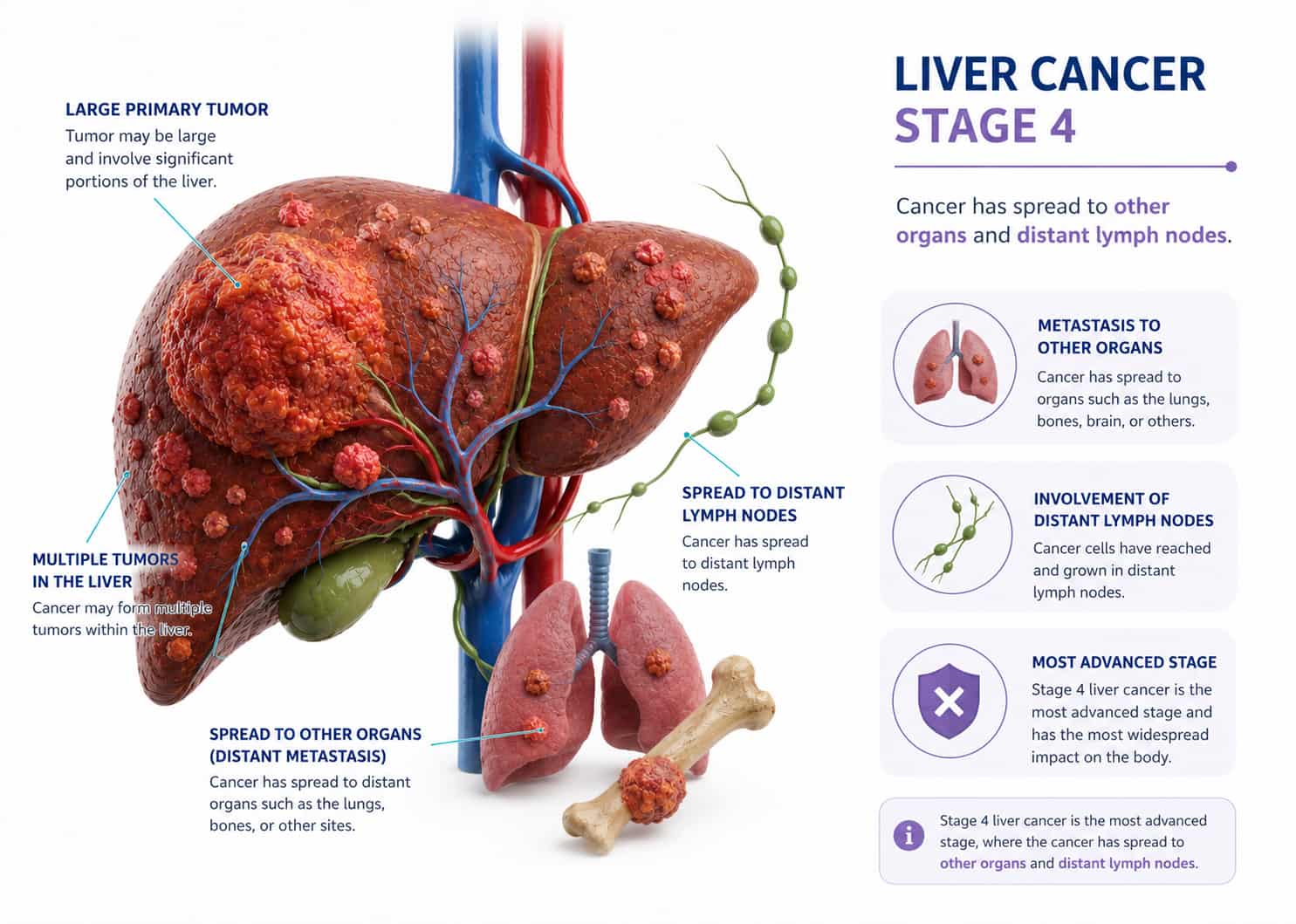
Liver Cancer Stage 4

Stage 4

The Stage 4 liver cancer is referred to as the most advanced stage, where the cancer has spread to other organs and the distant lymph nodes.

In addition, Recognition of the stages is a difficult task; doctors use a staging system called the Barcelona Clinic Liver Cancer (BCLC) staging system. This system has been widely accepted as the most accurate tool for classifying liver cancers and guiding treatment decisions.

Tumor Types: Benign vs Malignant

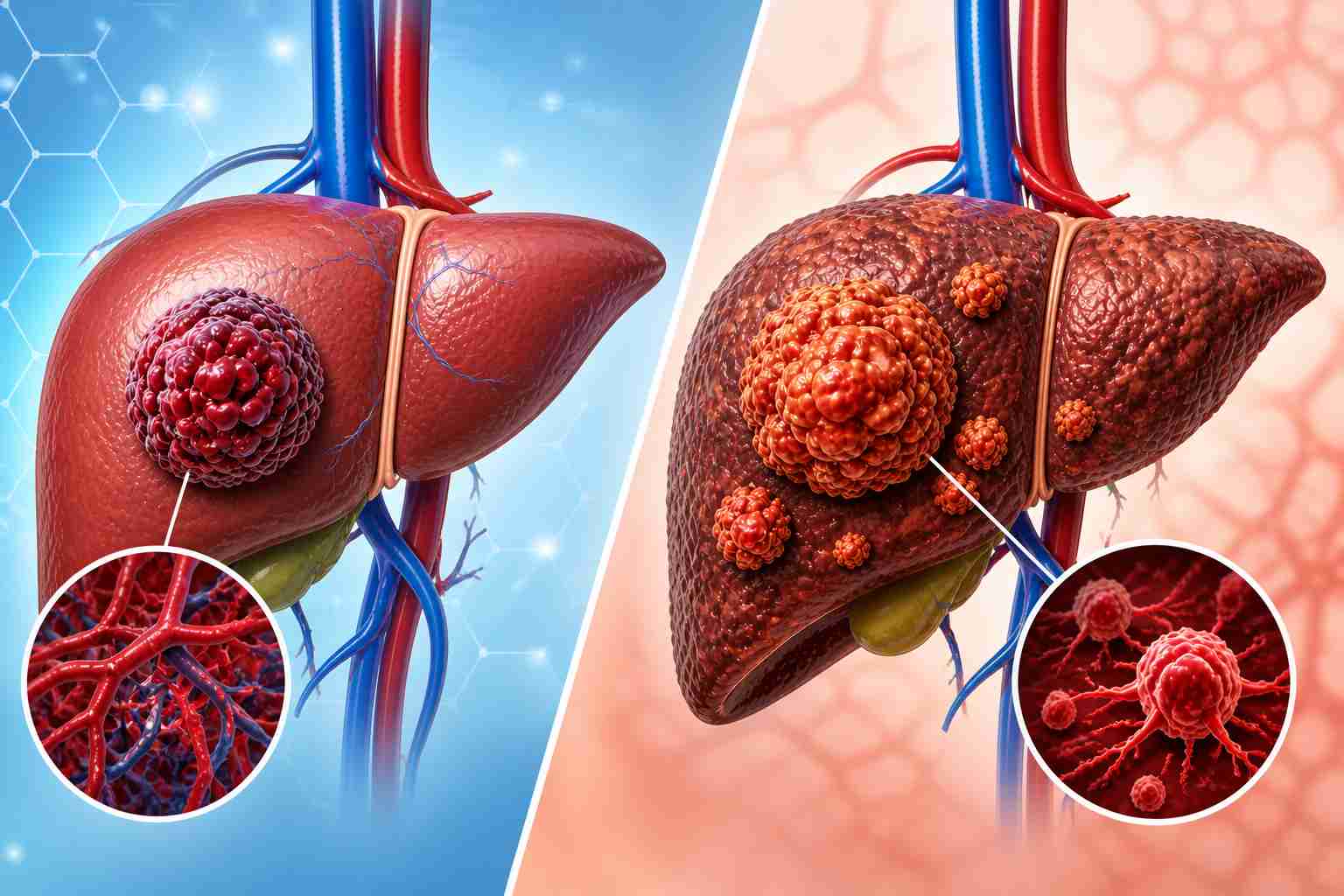
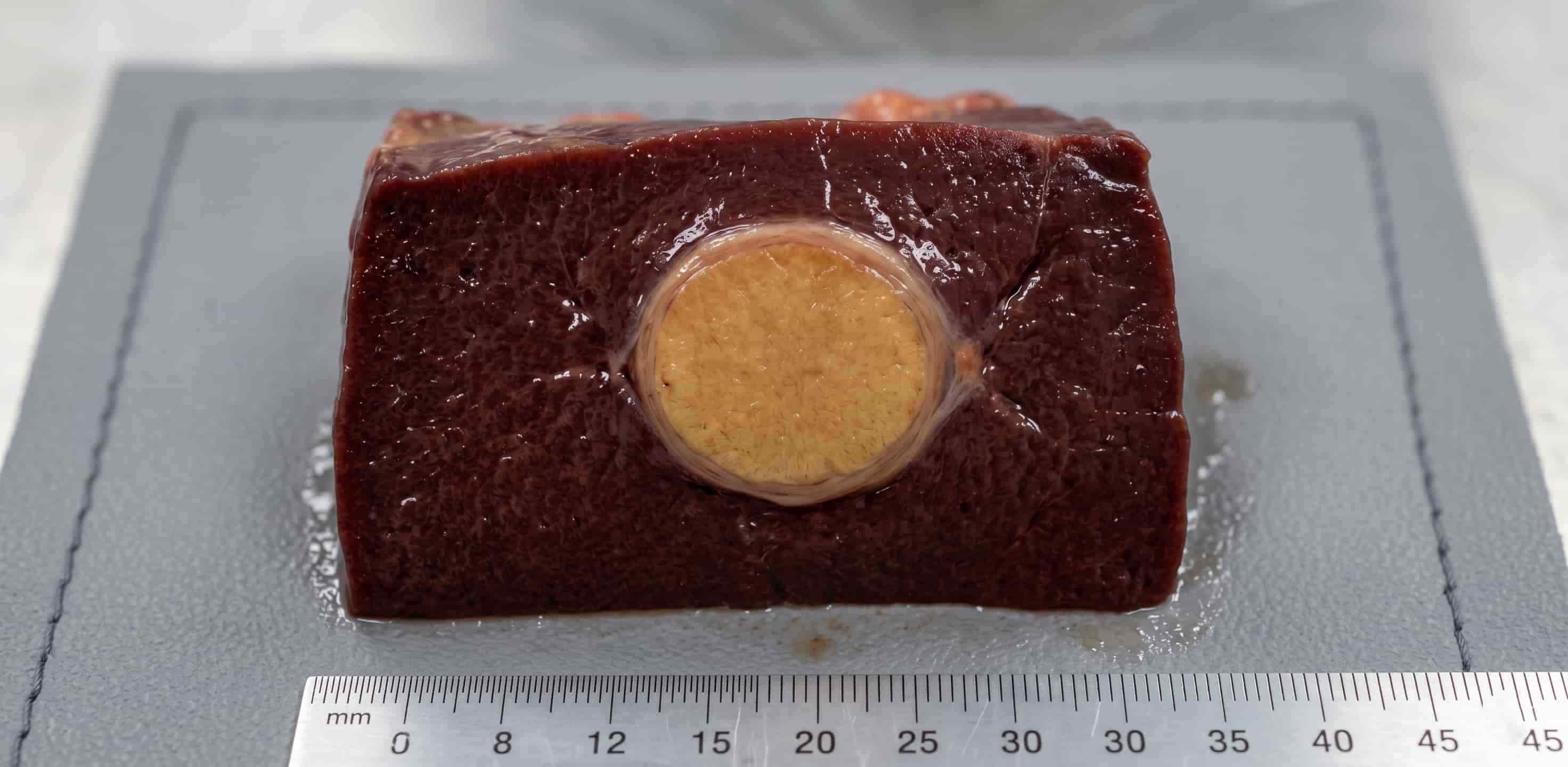
There exists a common misconception that all tumors fall under the category of cancer. However, this is not true, as tumors are cells that show uncontrolled growth and are not healthy. The major distinction is that no matter the size of the tumor, if it remains fixed at one place and does not invade surrounding organs or the blood vessels, we classify this as a benign tumor, and in the case of the liver, it is a liver benign tumor. Furthermore, if the tumor invades and spreads to other places, we call it a malignant tumor, and the spread is called cancer.

Benign Tumors

Localized benign liver tumor illustration

No matter the overall size of the tumor, if it remains fixed at one place and does not invade surrounding organs or the blood vessels, it is classified as a benign tumor. In the case of this specific organ, it is labeled a liver benign tumor.
Malignant Tumors

Invasive malignant liver cells illustration

If the abnormal mass of cells actively invades and spreads to other places, it crosses the line into a dangerous state. We call this a malignant tumor, and this aggressive spreading process is exactly what is defined as cancer.

Liver Cancer Treatment

Liver cancer treatment depends upon many factors, including the size, stage, type, and the patient’s health. Hence, after thorough studies and tests, doctors make a treatment plan where patients can accept many forms of surgical and non-surgical procedures for the cure. Furthermore, below, we have given the Liver cancer treatment options.

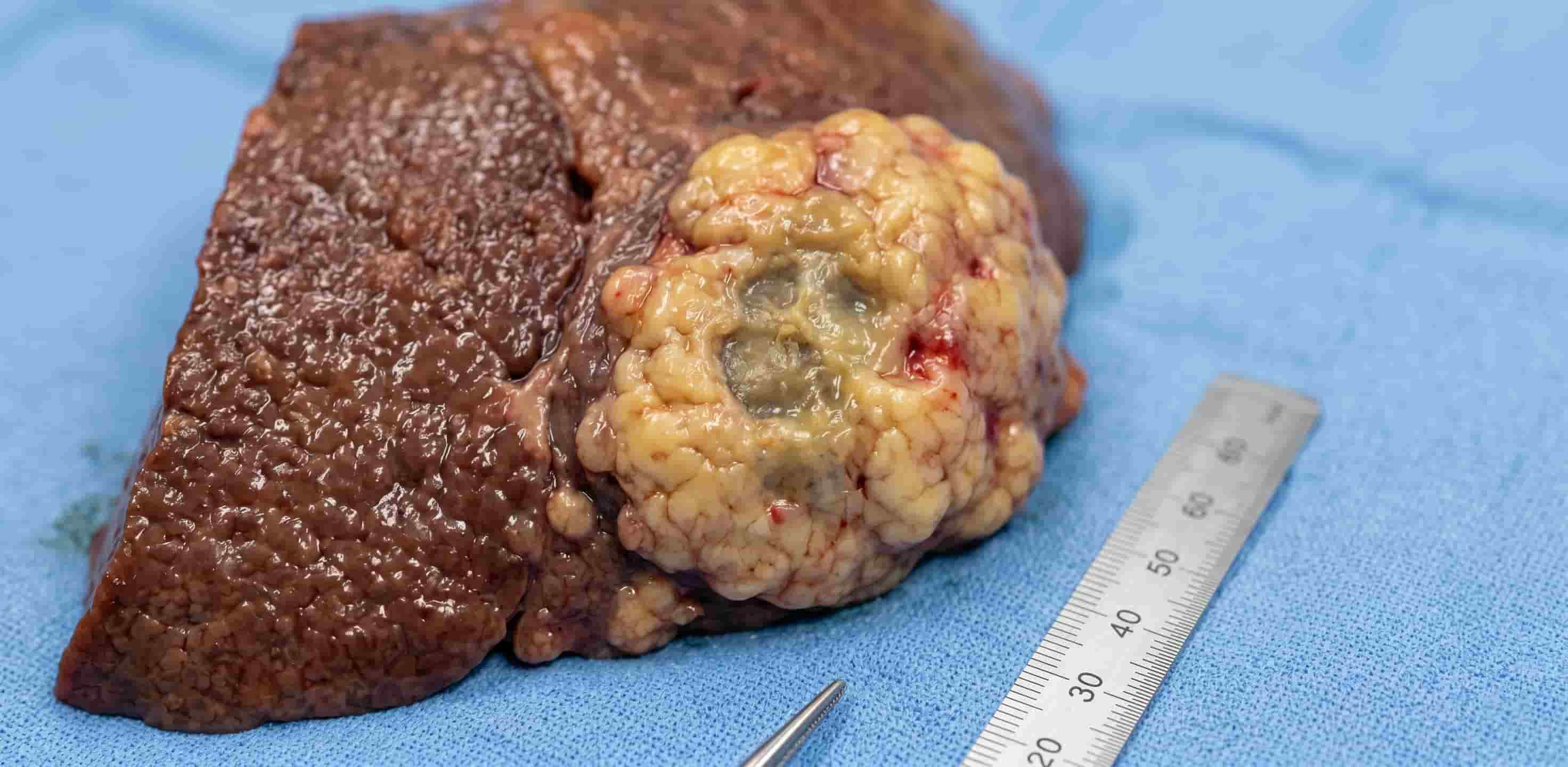
Surgical removal or liver transplant procedure

Surgery

Surgery remains a golden treatment, especially for early stage cancers. In that case, doctors remove the tumor, a part of the liver, or sometimes the whole liver, followed by a transplant.

Minimally invasive tumor ablation therapy

Ablation Therapy

Ablation is a type of minimally invasive procedure that destroys tumors using cold, heat, or chemicals. So, it works well for small tumors that are stage 1.

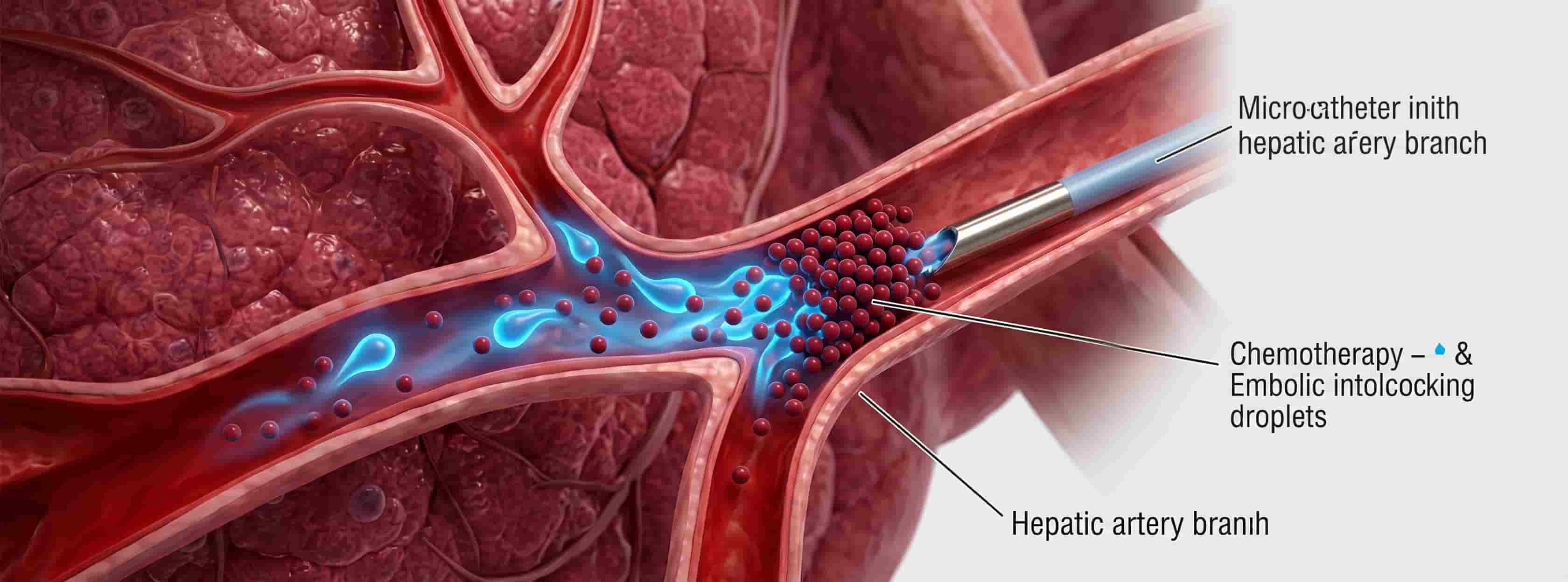
Transarterial Chemoembolization mechanism

TACE (Transarterial Chemoembolization)

TACE treatment is a solid treatment for liver cancer. Here, we attack the tumor area from two sides. The first thing is the blockage of the blood that flows towards the tumor. In addition, the second attack is the use of chemotherapy at the same time. Blockage of blood starves the tumours, and chemotherapy kills them and diminishes their growth.

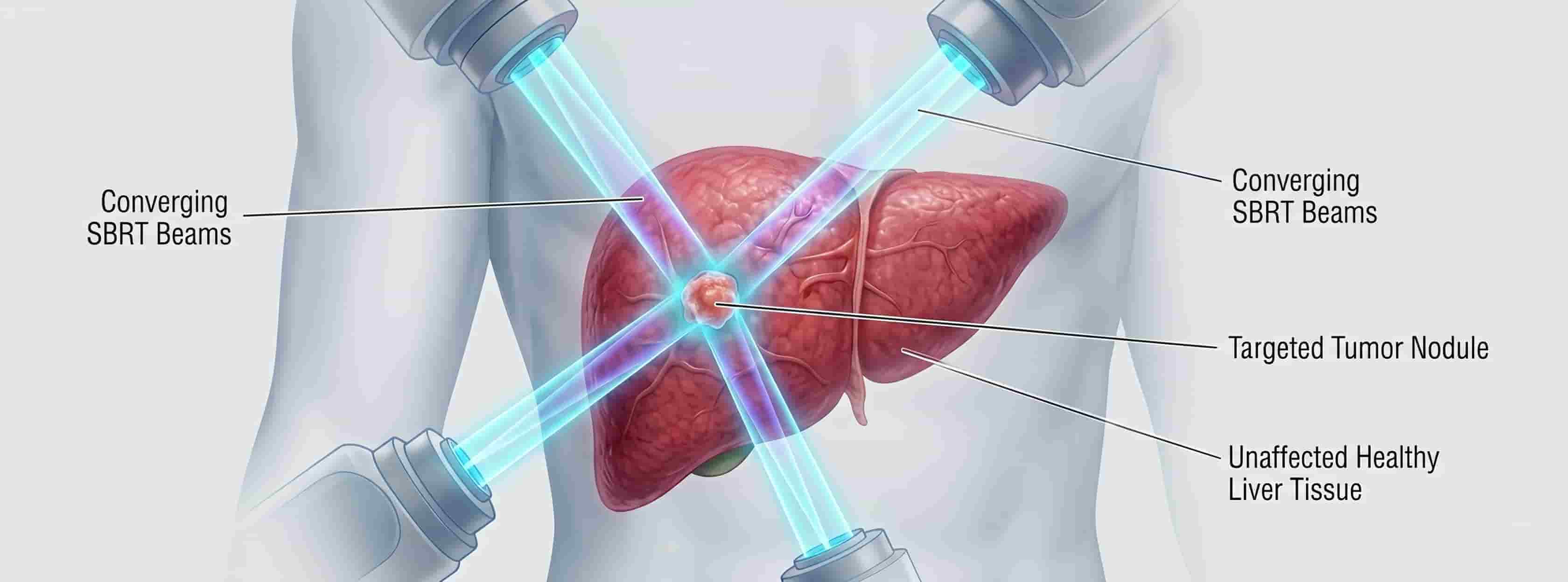
Cyberknife precise radiation treatment machine

Radiation Therapy

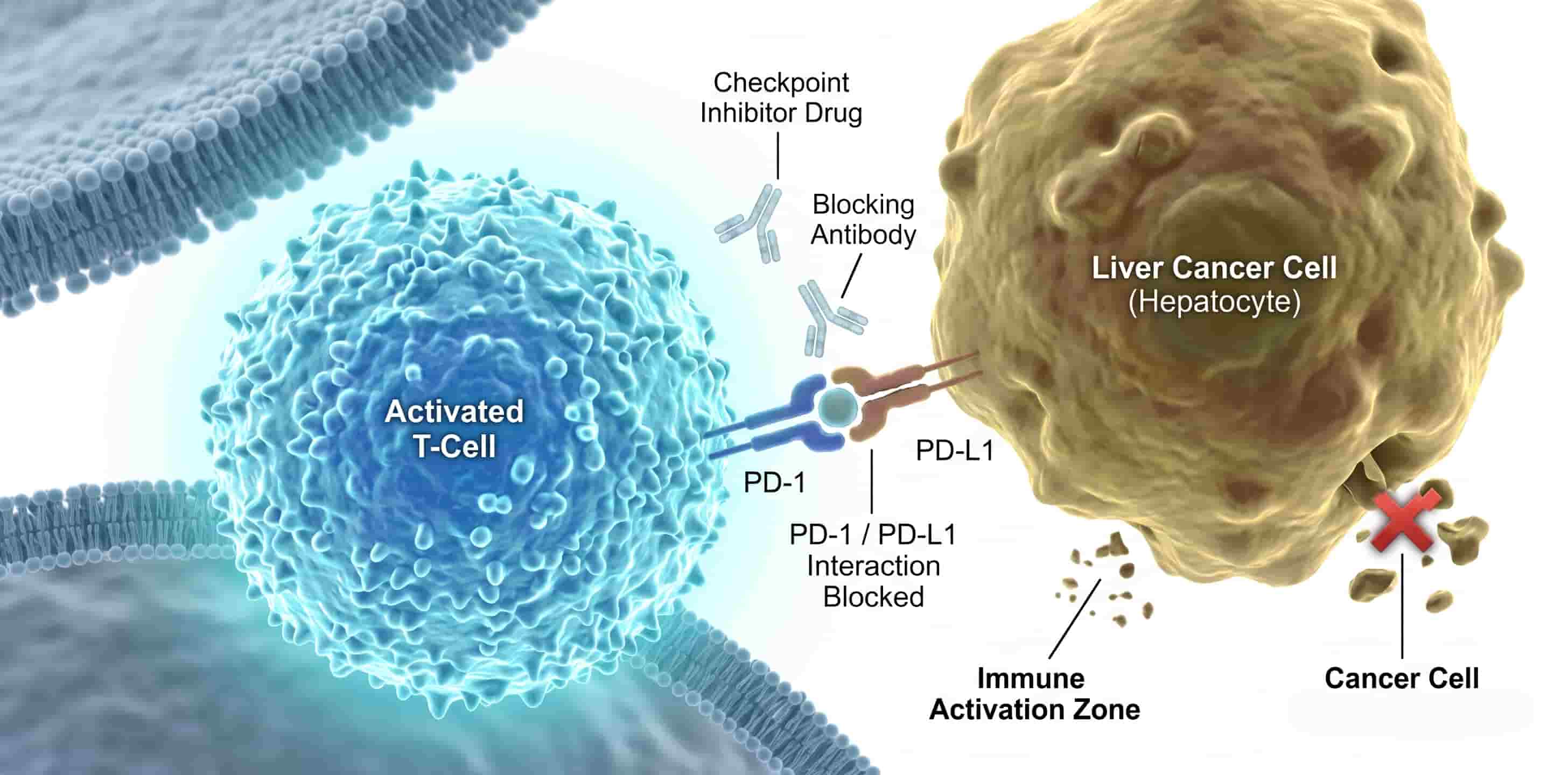
Drugs like sorafenib target specific pathways that help the cancer grow. And immunotherapy is an aid provided to the body's natural cancer fighting mechanism. Hence, these treatments are usually given in the later stages of cancer.

Targeted therapy and Immunotherapy

Typically administered during advanced stages of liver cancer. Targeted drugs like sorafenib block the internal pathways required for tumor growth. Concurrently, immunotherapy enhances the body's natural immune mechanisms to fight off hidden cancer cells.

Targeted drug and molecular immunotherapy action

Liver cancer survival rate

The liver cancer survival rate varies widely based on stage, age, and the type of treatment received. In the general stages 1 and 2, we can increase the five-year survival rates to 30-50 percent or higher with surgery. Moving on to Stage 3, the outlook may become less favourable, but treatment can still help. Furthermore, in stage 4, the survival rate drops significantly, but new treatments continue to improve outcomes. Early recognition of the symptoms increases the survival rates. Liver cancer stages and symptoms are widely matched because in the early stages, the symptoms remain mild and do not show up, but in later stages, they become severe. Early recognition can help a lot. Advanced liver cancer is often hard to treat.